Legislative Activity
Track Joe's sponsored bills, co-sponsored legislation, and voting record
The LEAPS Act mandates the USDA to educate farmers on the financial and environmental benefits of energy-efficient pumping systems and develop an online tool to estimate potential savings.
Michael Lawler
Representative
NY
Michael Lawler
Representative
NY
The LEAPS Act aims to promote energy efficiency in agricultural water pumping systems to save farmers money and reduce environmental impact. It mandates the USDA to provide farmers with information and an online tool to calculate potential savings from upgrading pumps, pipes, and related equipment. Furthermore, the bill ensures that energy-efficient system installations qualify for conservation program credits.
This act exempts qualifying small businesses from special import duties or fees imposed by the President during a declared national emergency.
Kelly Morrison
Representative
MN
Kelly Morrison
Representative
MN
The Small Business Liberation Act exempts qualifying small businesses from special duties or fees imposed by the President following a national emergency declaration. This provision ensures that small businesses are not burdened by extra import costs triggered during times of national crisis.
This Act permanently protects inventoried roadless areas within the National Forest System from new road construction and logging, upholding existing federal "Roadless Rule" prohibitions.
Andrea Salinas
Representative
OR
Andrea Salinas
Representative
OR
The Roadless Area Conservation Act of 2025 aims to provide lasting protection for inventoried roadless areas within the National Forest System. This legislation codifies existing federal regulations, known as the "Roadless Rule," which generally prohibits the construction of new roads or the cutting of timber in these sensitive zones. The purpose is to safeguard critical ecological benefits, clean water sources, and wildlife habitats while maintaining the Forest Service's multiple-use management mission.
This Act mandates that most private firearm transfers must go through a licensed dealer to ensure background checks are performed on all purchasers.
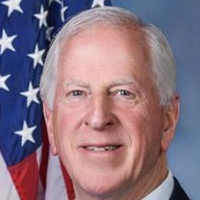
Mike Thompson
Representative
CA
Mike Thompson
Representative
CA
The Bipartisan Background Checks Act of 2025 aims to strengthen existing federal background check systems to prevent prohibited persons from acquiring firearms. This bill primarily mandates that most private firearm transfers must be facilitated through a licensed dealer who will conduct a background check. The legislation includes specific exceptions for family gifts, law enforcement, and temporary transfers under emergency circumstances.
The Community TEAMS Act of 2025 establishes grants for medical schools to partner with rural and underserved health facilities to expand community-based clinical training for medical students.
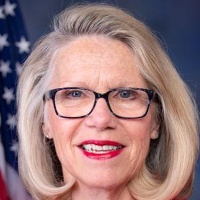
Carol Miller
Representative
WV
Carol Miller
Representative
WV
The Community TEAMS Act of 2025 establishes new federal grants to fund partnerships between medical schools and local health facilities in rural and medically underserved communities. These grants aim to expand clinical training opportunities for medical students in high-need areas. The ultimate goal is to encourage these students to establish long-term medical practices within those communities after graduation.
This Act aims to combat the rise in syphilis cases, particularly congenital syphilis, by providing guidance and technical assistance to state Medicaid and CHIP programs to improve screening, education, and treatment for pregnant women and infants.
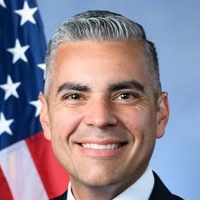
Juan Ciscomani
Representative
AZ
Juan Ciscomani
Representative
AZ
The Maternal and Infant Syphilis Prevention Act addresses the alarming national spike in syphilis cases, particularly the resulting rise in devastating congenital syphilis cases. This bill directs the Secretary of Health and Human Services to issue comprehensive guidance to state Medicaid and CHIP programs on improving syphilis screening, education, and treatment access for pregnant women and infants. The goal is to promote consistent, timely testing—including third-trimester and delivery screening—to prevent nearly all cases of congenital syphilis.
This Act establishes new procedures for Federal Firearms Licensees when background checks are delayed, mandates reporting on delayed and denied transfers, and removes a specific time limit from existing background check law.
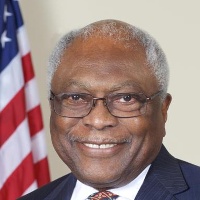
James Clyburn
Representative
SC
James Clyburn
Representative
SC
The Enhanced Background Checks Act of 2025 reforms federal firearm background check procedures, establishing a formal petition process for buyers when the system delays a decision beyond 10 business days. This bill removes the previous 10-day time limit on background checks under the Brady Act while mandating extensive reporting from the GAO and FBI on the effectiveness and outcomes of these delayed transfers. Furthermore, the Attorney General must report on the law's impact on domestic violence victims within 150 days of enactment.
This resolution strongly condemns the rise in ideologically motivated attacks against Jewish individuals in the U.S., including the recent Boulder assault, and reaffirms the House's commitment to combating antisemitism and political violence.
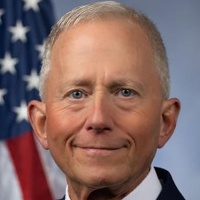
Jefferson Van Drew
Representative
NJ
Jefferson Van Drew
Representative
NJ
This resolution strongly condemns the recent rise in ideologically motivated attacks targeting Jewish individuals and institutions across the United States, including the violent assault in Boulder, Colorado. The House of Representatives reaffirms its commitment to combating antisemitism and politically motivated violence in all its forms. It calls for thorough investigation and prosecution of such incidents and urges all sectors of society to speak out against hate.
This Act streamlines the veterans' benefits appeals process through enhanced reporting, new procedural tools for the Board of Veterans Appeals and the Court of Appeals for Veterans Claims, and studies aimed at increasing efficiency.
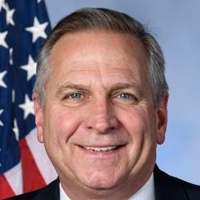
Mike Bost
Representative
IL
Mike Bost
Representative
IL
The Veterans Appeals Efficiency Act of 2025 aims to significantly speed up the Department of Veterans Affairs (VA) claims and appeals process through increased reporting and new procedural tools. This legislation mandates annual transparency on decision times and empowers the Board of Veterans Appeals (BVA) to group similar cases for faster resolution. Furthermore, it expands the jurisdiction of the Court of Appeals for Veterans Claims (CAVC) and requires studies to explore issuing precedential BVA decisions to streamline common legal issues.
This Act improves Medicare coverage for seniors by ensuring clinical social worker mental health services are billed separately from nursing home payments and expanding the scope of billable services to include health and behavior assessments.
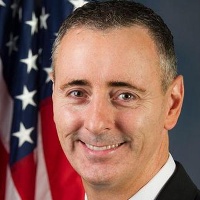
Brian Fitzpatrick
Representative
PA
Brian Fitzpatrick
Representative
PA
The Expanding Seniors Access to Mental Health Services Act aims to improve mental health care access for seniors under Medicare. This bill separates clinical social worker services from standard skilled nursing facility payments, ensuring they are billed distinctly. Furthermore, it expands Medicare coverage for clinical social workers to include health and behavior assessment and intervention services, effective January 1, 2026.
This Act grants the National Weather Service special hiring authority to quickly fill critical public safety positions and mandates regular workforce assessments and employee well-being reports to Congress.
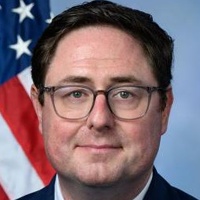
Mike Flood
Representative
NE
Mike Flood
Representative
NE
The Weather Workforce Improvement Act aims to strengthen the National Weather Service's ability to provide accurate and timely forecasts critical for public safety. It grants the NWS Director temporary direct-hire authority to quickly fill essential, public safety-related staffing vacancies. Furthermore, the bill mandates regular workforce assessments and reports on employee health and morale, particularly concerning shift work.
The Elder Pride Protection Act of 2025 establishes an Attorney General-led task force to combat abuse specifically targeting older LGBTQI+ individuals through investigation, guideline development, and training.
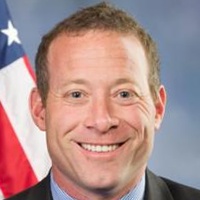
Josh Gottheimer
Representative
NJ
Josh Gottheimer
Representative
NJ
The Elder Pride Protection Act of 2025 establishes the ELDER Task Force within the Department of Justice to combat abuse targeting older LGBTQI+ individuals. This group is charged with studying the causes of this abuse, developing national best practices, and creating training materials for law enforcement. The Task Force must report its findings and progress to Congress within one year of the Act's enactment.
The TRACE Act mandates that firearms receive a second, hidden serial number, extends the retention period for background check records, requires licensed dealers to conduct physical inventory checks, and removes certain spending limitations on the ATF.

Mike Quigley
Representative
IL
Mike Quigley
Representative
IL
The TRACE Act mandates that all newly manufactured firearms include a second, hidden serial number, either internally or visible only under infrared light. It also extends the retention period for instant criminal background check records to 180 days and requires licensed dealers to conduct regular physical inventories of their firearms. Finally, the bill removes several past budgetary limitations placed on the Bureau of Alcohol, Tobacco, Firearms and Explosives (ATF).
The EMS Counts Act mandates the Department of Labor to accurately classify dual-role firefighter-EMTs and firefighter-paramedics in federal occupational statistics to ensure proper resource allocation for emergency services.
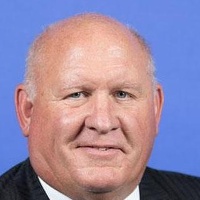
Glenn Thompson
Representative
PA
Glenn Thompson
Representative
PA
The EMS Counts Act addresses the critical undercounting of Emergency Medical Services (EMS) personnel by the Bureau of Labor Statistics. This bill mandates that the Secretary of Labor update occupational classifications to explicitly recognize dual-role firefighter-EMTs and firefighter-paramedics. By accurately counting all EMS practitioners, this legislation aims to improve federal planning for emergency response and disaster preparedness.
The PROTECT Act of 2025 grants Tribal courts authority to issue warrants under the Stored Communications Act, expands Tribal court jurisdiction over certain drug and gun offenses, and includes offenders under this new jurisdiction in the Bureau of Prisons Tribal Prisoner Program.
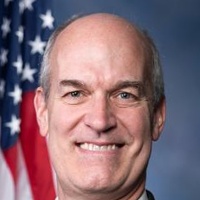
Rick Larsen
Representative
WA
Rick Larsen
Representative
WA
The PROTECT Act of 2025 enhances Tribal sovereignty by formally recognizing Tribal courts as competent jurisdictions under federal laws governing electronic data requests, such as the Stored Communications Act. It also expands the scope of offenses over which Tribal courts have jurisdiction, specifically including defined controlled substance and firearms offenses on Tribal lands. Furthermore, the bill ensures that offenders convicted under this expanded Tribal jurisdiction can participate in the Bureau of Prisons Tribal Prisoner Program.
This bill increases the monthly housing stipend for veterans pursuing education solely through distance learning under the Post-9/11 Educational Assistance Program.
Juan Ciscomani
Representative
AZ
Juan Ciscomani
Representative
AZ
The Expanding Access for Online Veteran Students Act aims to increase financial support for veterans pursuing education entirely online. This bill eliminates the current 50% cap on the monthly housing stipend for eligible Post-9/11 GI Bill recipients enrolled more than half-time in distance learning programs. If enacted, this change would allow these students to receive the full monthly housing allowance rate, effective for terms beginning on or after August 1, 2025.
This act establishes a federal grant program to fund search and rescue operations, equipment, and maintenance in remote areas on public lands managed by the Department of the Interior or the Department of Agriculture.
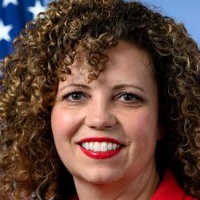
Celeste Maloy
Representative
UT
Celeste Maloy
Representative
UT
The Public Land Search and Rescue Act establishes a new federal grant program to support search and rescue operations conducted on remote federal lands managed by the Department of the Interior or Agriculture. This program prioritizes funding for high-visitation areas, covering up to 75% of eligible costs for equipment, maintenance, and direct rescue activities. Eligible recipients include state and local entities with existing legal authority and proven capability to perform these specialized remote rescues.
The Pride In Mental Health Act of 2025 establishes grants and federal initiatives to improve mental health services and research specifically for LGBTQ+ youth while explicitly prohibiting the use of funds for conversion therapy.
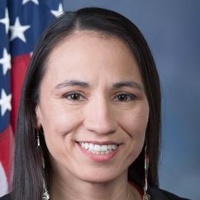
Sharice Davids
Representative
KS
Sharice Davids
Representative
KS
The Pride In Mental Health Act of 2025 establishes a new grant program to improve mental health and substance abuse outcomes for LGBTQ+ youth through culturally competent care and resource development. These grants strictly prohibit funding for conversion therapy practices. The bill also mandates federal data collection on LGBTQ+ youth mental health and requires a report on the needs of those in foster care.
This act repeals certain provisions of the Protection of Lawful Commerce in Arms Act and allows federal gun trace information to be discoverable and admissible in civil proceedings.
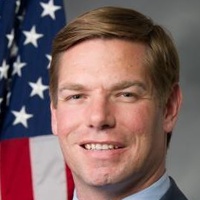
Eric Swalwell
Representative
CA
Eric Swalwell
Representative
CA
The Equal Access to Justice for Victims of Gun Violence Act of 2025 repeals key provisions of the Protection of Lawful Commerce in Arms Act. This legislation allows federal gun trace information to be discoverable and admissible as evidence in civil lawsuits and administrative hearings. The bill aims to provide victims of gun violence with greater access to relevant data in legal proceedings.
This resolution prohibits members of the House of Representatives from serving on the boards of for-profit entities.
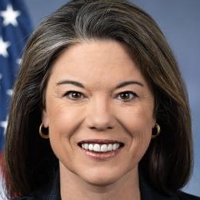
Angie Craig
Representative
MN
Angie Craig
Representative
MN
The Restoring Integrity in Democracy Resolution prohibits current Members of the House of Representatives, Delegates, and the Resident Commissioner from serving on the board of directors for any for-profit entity. This measure aims to enhance ethical standards by preventing conflicts of interest arising from outside corporate board service while in Congress.