Legislative Activity
Track Joe's sponsored bills, co-sponsored legislation, and voting record
This Act establishes a new federal grant program to provide operating support for high-quality public transit that prioritizes service improvements in underserved communities, while also increasing the federal share for rural transit operating costs.
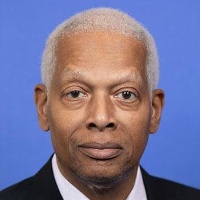
Henry Johnson
Representative
GA
Henry Johnson
Representative
GA
The Stronger Communities through Better Transit Act establishes a new federal grant program to provide operating support for high-quality public transit services. This funding is specifically targeted to improve mobility and environmental outcomes, with a requirement that the majority of funds benefit underserved communities or areas of persistent poverty. The Act also increases the federal share for rural transit operating assistance up to 80%.
This bill establishes the Federal Cyber Workforce Development Institute to create standardized, accessible training and certification for federal employees in cybersecurity roles.
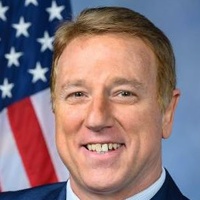
Patrick Fallon
Representative
TX
Patrick Fallon
Representative
TX
The Federal Cyber Workforce Training Act of 2025 mandates the creation of a Federal Cyber Workforce Development Institute to centralize and standardize cybersecurity training for federal employees. Led by the National Cyber Director, this Institute will develop modular, hands-on training aligned with the NICE framework for current and incoming cyber staff, including HR personnel. The resulting plan must detail curriculum, delivery methods, and necessary resources, though the Act itself does not authorize new appropriations.
This bill reauthorizes and increases the funding for the Historic Preservation Fund through 2035.
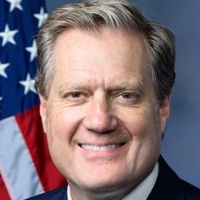
Michael Turner
Representative
OH
Michael Turner
Representative
OH
The Historic Preservation Fund Reauthorization Act extends the life of the Historic Preservation Fund through the year 2035. This legislation also increases the maximum annual funding available for the program from \$150 million to \$250 million. Essentially, this bill ensures continued and increased financial support for preserving historic sites across the nation.
This bill mandates the creation of an online training course for law enforcement and corrections personnel on interacting with, recognizing signs of, and safely managing individuals with Alzheimer's disease and similar dementias.
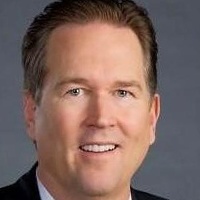
Vern Buchanan
Representative
FL
Vern Buchanan
Representative
FL
The Alzheimer’s Law Enforcement Education Act of 2025 mandates the creation of a free, online training course for law enforcement and corrections personnel regarding Alzheimer's disease and related dementias. This course will teach officers how to recognize symptoms, communicate effectively, use alternatives to physical restraints, and identify potential abuse of affected individuals. The bill encourages states to accept completion of this specialized training toward required professional development hours.
This bill mandates the establishment of facilities to rear and release sterile New World screwworm flies to combat agricultural threats, supported by mandatory reporting and funding.
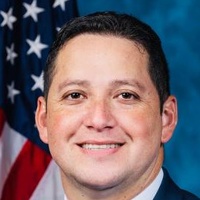
Ernest Gonzales
Representative
TX
Ernest Gonzales
Representative
TX
The STOP Screwworms Act mandates the establishment of facilities to rear and release sterile New World screwworm flies in high-risk areas to combat infestations. The Secretary of Agriculture must build these modular facilities within 180 days of enactment and provide annual public reports on the threat and control efforts. The bill authorizes up to $300 million to fund these necessary actions.
This resolution expresses the House's view that President Trump must immediately submit plans to Congress for accepting a jumbo jet gift from Qatar to comply with the Foreign Emoluments Clause.
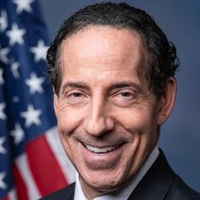
Jamie Raskin
Representative
MD
Jamie Raskin
Representative
MD
This resolution expresses the sense of the House that President Trump must comply with the Foreign Emoluments Clause regarding a reported gift of a jumbo jet from Qatar. It calls on the President to immediately submit all plans for accepting this significant gift to Congress. The bill emphasizes that the Constitution requires Congressional consent before the President can accept valuable items from foreign governments.
This bill officially renames the United States Postal Service facility in Evans, Colorado, as the "Deputy Samuel Kent Brownlee Post Office."
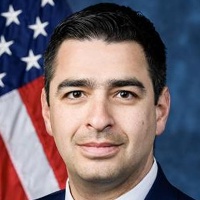
Gabe Evans
Representative
CO
Gabe Evans
Representative
CO
This bill officially renames the United States Postal Service facility located at 3344 11th Avenue in Evans, Colorado. The facility will now be known as the "Deputy Samuel Kent Brownlee Post Office." This action ensures the building is formally recognized under its new designation.
The CHEERS Act expands tax deductions for energy-efficient draft beer equipment used in restaurants, bars, and entertainment venues.
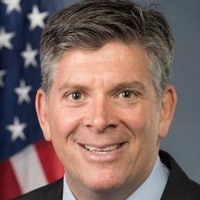
Darin LaHood
Representative
IL
Darin LaHood
Representative
IL
The CHEERS Act amends tax law to allow businesses like restaurants and bars to claim tax deductions for installing specific energy-efficient draft beer equipment. This provision expands eligibility under Section 179D for stainless steel or aluminum kegs and associated dispensing systems. The goal is to incentivize the adoption of energy-saving technology in the hospitality industry starting in 2025.
The SERVICE Act of 2025 establishes a pilot program to fund local law enforcement grants for creating specialized Veterans Response Teams to better assist veterans in crisis.
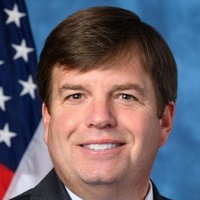
Dale Strong
Representative
AL
Dale Strong
Representative
AL
The SERVICE Act of 2025 establishes a five-year pilot program to create specialized Veterans Response Teams within local law enforcement agencies through federal grants. These teams will focus on improving interactions between law enforcement and veterans in crisis by fostering collaboration with the VA and providing specialized training. The teams will also establish 24/7 volunteer response networks and track outcomes to better serve the veteran community.
This Act allows federal law enforcement officers to receive retirement credit for previously capped overtime pay upon making a lump-sum payment, while also expanding eligibility for availability pay to certain other federal employees.
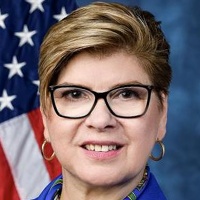
Nellie Pou
Representative
NJ
Nellie Pou
Representative
NJ
The LEO Fair Retirement Act of 2025 addresses compensation issues for federal law enforcement officers (LEOs) by allowing them to receive full retirement credit for previously capped overtime premium pay, provided they make a required lump-sum payment. The Act also expands eligibility for "availability pay" to several new categories of federal law enforcement personnel. Finally, it provides a non-refundable federal tax credit for officers receiving certain lump-sum payments related to their retirement annuity calculations.
This act establishes a federal grant program to help law enforcement officers afford and access childcare during their off-hours.
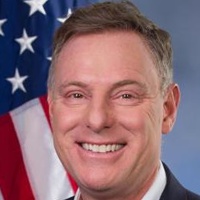
Scott Peters
Representative
CA
Scott Peters
Representative
CA
The Providing Child Care for Police Officers Act of 2025 establishes a new federal grant program to help law enforcement officers secure childcare during non-traditional hours. Administered by HHS, these competitive grants will fund local agencies to offer subsidies, start new facilities, or cover operational costs for officers. The program requires state agencies to apply and secure matching funds, with a sunset date of September 30, 2030.
This act modifies the student loan interest deduction limit for married couples filing separately, applying the \$2,500 cap to each spouse individually.
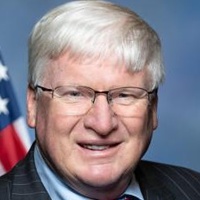
Glenn Grothman
Representative
WI
Glenn Grothman
Representative
WI
The Student Loan Marriage Penalty Elimination Act of 2025 aims to adjust the student loan interest deduction for married couples filing separately. This bill caps the deductible student loan interest at \$2,500 per individual spouse. It ensures that taxpayers cannot claim the same interest amount under multiple deduction provisions.
This Act mandates that health plans cover medically necessary treatment for congenital anomalies or birth defects affecting the eyes, ears, teeth, mouth, or jaw to restore normal function and appearance.
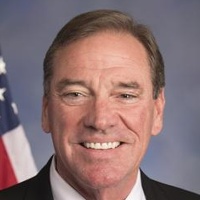
Neal Dunn
Representative
FL
Neal Dunn
Representative
FL
The Ensuring Lasting Smiles Act mandates that group health plans and insurance policies provide comprehensive coverage for medically necessary treatment related to congenital anomalies or birth defects affecting the eyes, ears, teeth, mouth, or jaw. This coverage must include services needed to restore normal function and appearance, including necessary dental and orthodontic support. Plans must apply cost-sharing rules no more restrictive than those for other medical benefits, excluding purely cosmetic procedures.
This bill expands the Family and Medical Leave Act (FMLA) to grant eligible employees up to 26 weeks of leave to care for a covered service member or for their own service-related injuries, while also broadening the definition of "family" for military leave purposes.
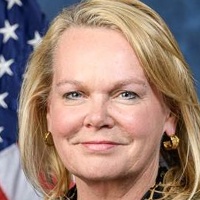
April McClain Delaney
Representative
MD
April McClain Delaney
Representative
MD
The MIL FMLA Act significantly expands existing family and medical leave protections under the FMLA for military families and veterans. It broadens the definition of covered family relationships to include domestic partners and other close relations when caring for a service member. The bill establishes a new entitlement of up to 26 workweeks of leave for caring for a covered service member or for a service member's own serious service-related injury or illness. These changes also apply to federal civilian employees, updating definitions and leave entitlements within Title 5 of the U.S. Code.
The VA Employee Fairness Act of 2025 streamlines collective bargaining rules for Veterans Health Administration employees by modifying existing statutes while preserving the Secretary's authority regarding incentive pay and expedited hiring.
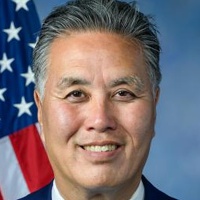
Mark Takano
Representative
CA
Mark Takano
Representative
CA
The VA Employee Fairness Act of 2025 modifies the collective bargaining rules for employees of the Veterans Health Administration (VHA) by streamlining existing statutes. This act removes outdated subsections related to bargaining and renumbers the remaining relevant section. Importantly, these changes do not affect the Secretary of Veterans Affairs' existing authority regarding incentive pay or expedited hiring processes.
Violet's Law mandates that federal research facilities establish procedures to place retired dogs, cats, nonhuman primates, guinea pigs, hamsters, and rabbits with approved rescue organizations, sanctuaries, shelters, or individuals.
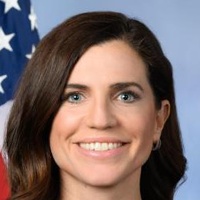
Nancy Mace
Representative
SC
Nancy Mace
Representative
SC
Violet's Law mandates that federal research facilities establish procedures to place retired research animals, including dogs, cats, and primates, into new homes. These facilities must adhere to the Animal Welfare Act standards and ensure animals are certified healthy by a veterinarian before adoption. Eligible placements include registered animal rescue organizations, sanctuaries, shelters, or private individuals.
This Act prohibits the advertising and provision of paid conversion therapy intended to change an individual's sexual orientation or gender identity, empowering the FTC and State Attorneys General to enforce these prohibitions.
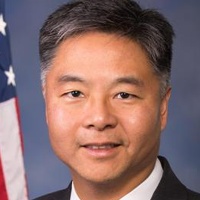
Ted Lieu
Representative
CA
Ted Lieu
Representative
CA
The Therapeutic Fraud Prevention Act of 2025 declares that practices attempting to change an individual's sexual orientation or gender identity for payment constitute an unfair and deceptive business practice. Citing professional consensus on the ineffectiveness and harm of such "conversion therapy," the bill prohibits its provision and advertising. Enforcement authority is granted to the Federal Trade Commission (FTC), and the law allows both the U.S. Attorney General and State Attorneys General to file civil actions against violators.
This Act streamlines the transition of medically disqualified service members into DoD civilian roles while also connecting non-qualifying individuals with defense industry career opportunities.
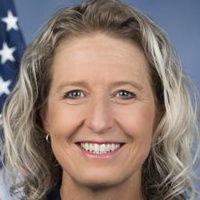
Jennifer Kiggans
Representative
VA
Jennifer Kiggans
Representative
VA
The Defense Workforce Integration Act of 2025 aims to streamline the transition of separating service members into civilian Department of Defense (DoD) roles, particularly for those medically disqualified from service. It also establishes a new program to connect medically ineligible individuals with career opportunities in the defense industrial base and related national security sectors. Furthermore, the bill mandates that the Navy inform separating personnel about career opportunities within the Military Sealift Command. The DoD must report to Congress within one year on the implementation of these integration and information-sharing provisions.
This bill expands the definition of "law enforcement officer" for federal retirement purposes under FERS and CSRS to include specific IRS, Postal Inspection, and VA police employees, and establishes rules for how current employees can count prior service under the new designation.
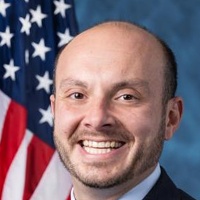
Andrew Garbarino
Representative
NY
Andrew Garbarino
Representative
NY
The Law Enforcement Officers Equity Act expands the definition of "law enforcement officer" for federal retirement purposes under both the Federal Employees Retirement System (FERS) and the Civil Service Retirement System (CSRS). This change adds specific IRS, Postal Inspection Service, and VA police roles to those eligible for enhanced retirement benefits. The bill also establishes procedures for current officers to elect to have their prior service counted under these new definitions, which may require a payment from the employee and their employing agency.
The ACES Act mandates a National Academies study on cancer prevalence and mortality among active duty fixed-wing aircraft crew members and extends certain pension payment limits.
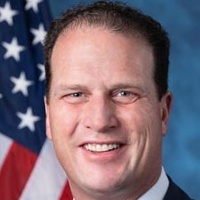
August Pfluger
Representative
TX
August Pfluger
Representative
TX
The ACES Act mandates a comprehensive study by the National Academies to investigate the prevalence and mortality rates of various cancers among active duty fixed-wing aircraft crew members due to potential service-related exposures. This legislation also extends the expiration date for certain limitations on veteran pension payments by one month. The study will analyze specific cancer types and utilize data from the VA, DoD, and other federal sources.