Legislative Activity
Track Joe's sponsored bills, co-sponsored legislation, and voting record
This act establishes a new federal crime specifically targeting individuals who knowingly defraud veterans or attempt to steal their federal benefits.
Brian Fitzpatrick
Representative
PA
Brian Fitzpatrick
Representative
PA
The Preventing Crimes Against Veterans Act of 2025 establishes a new federal crime specifically targeting individuals who knowingly defraud veterans or attempt to steal their federal benefits. This legislation creates enhanced penalties, including potential fines and imprisonment up to five years, for those convicted of such schemes. The Act ensures robust legal tools are in place to protect veterans from financial exploitation related to their earned benefits.
This bill immediately enacts the EPA's June 25, 2024, final rule establishing national primary drinking water regulations for PFAS as federal law.
Brian Fitzpatrick
Representative
PA
Brian Fitzpatrick
Representative
PA
The PFAS National Drinking Water Standard Act of 2025 immediately establishes the Environmental Protection Agency's (EPA) final rule on PFAS as official federal law. This action codifies the specific National Primary Drinking Water Regulation for PFAS as it existed on June 25, 2024. Essentially, the bill bypasses standard procedures to enact the EPA's established PFAS drinking water standards into law right away.
The PRIDE Act of 2025 extends the deadline for certain married couples to file joint tax returns based on past marriage recognition and updates the Internal Revenue Code with gender-neutral language for all married individuals.
Judy Chu
Representative
CA
Judy Chu
Representative
CA
The PRIDE Act of 2025 aims to update the Internal Revenue Code to ensure equal treatment and inclusive language for all married couples. It extends the deadline for certain legally married couples to file amended joint tax returns following past recognition changes. Furthermore, the bill systematically replaces gendered terms like "husband," "wife," and "his" with gender-neutral language such as "spouse" and "individual" across numerous tax provisions. These changes ensure consistent, equitable application of tax law regardless of gender identity.
This Act mandates the Department of Defense to annually report to Congress on the funding, status, and delays of interim cleanup actions for PFAS contamination at military installations, while also developing a strategy to accelerate remediation efforts.
Kristen McDonald Rivet
Representative
MI
Kristen McDonald Rivet
Representative
MI
The Military PFAS Transparency Act of 2025 mandates that the Department of Defense (DoD) provide annual, detailed reports to Congress on the funding and status of all interim cleanup actions for toxic PFAS chemicals at military sites. This legislation also requires the DoD to submit a strategy for accelerating these cleanups based on health risks and environmental harm. Furthermore, the DoD must establish a public-facing online dashboard to ensure transparency regarding spending and cleanup progress.
This resolution formally recognizes the history, achievements, and ongoing struggles of the LGBTQIA+ community while encouraging the celebration of Pride Month and affirming that LGBTQIA+ rights are human rights.

Al Green
Representative
TX
Al Green
Representative
TX
This resolution formally recognizes the history, achievements, and ongoing struggles of the LGBTQIA+ community in the United States. It serves as a declaration by Congress affirming that LGBTQIA+ rights are human rights and encouraging the celebration of Pride Month. The bill highlights key historical milestones, legal victories, and acknowledges the persistent challenges and violence faced by the community. Ultimately, it commits the U.S. to continuing the pursuit of full equality for all citizens.
This Act prohibits the use of "panic defenses" in federal court that attempt to excuse or mitigate crimes based on a victim's sexual orientation or gender identity.
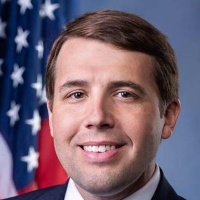
Chris Pappas
Representative
NH
Chris Pappas
Representative
NH
The LGBTQ+ Panic Defense Prohibition Act of 2025 bans the use of "panic defenses" in federal court, which attempt to excuse or lessen a defendant's culpability for a crime based on the victim's sexual orientation or gender identity. This legislation recognizes that these outdated defenses rely on prejudice and undermine justice for LGBTQ+ individuals. The Act also requires the Attorney General to report annually on violent federal crimes motivated by bias against LGBTQ+ people.
This bill makes technical corrections and clarifications to the Camp Lejeune Justice Act of 2022, including adjusting venue options, setting standards of proof, and capping attorney fees, all retroactively applied to August 10, 2022.
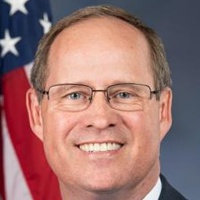
Gregory Murphy
Representative
NC
Gregory Murphy
Representative
NC
The Ensuring Justice for Camp Lejeune Victims Act of 2025 makes technical corrections to the 2022 Camp Lejeune Justice Act to clarify standards for proving harm and venue for trials. This legislation sets specific caps on attorney fees and retroactively applies these changes to all existing and future claims filed under the original 2022 Act. The bill ensures that existing statutes of limitations for filing claims remain unchanged.
This act allows drug manufacturers to provide required prescribing information digitally, provided they maintain an option for healthcare professionals to receive paper copies upon request.
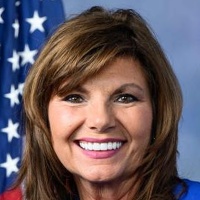
Diana Harshbarger
Representative
TN
Diana Harshbarger
Representative
TN
The Prescription Information Modernization Act of 2025 allows drug manufacturers to provide required prescribing information to healthcare providers digitally. This shift is contingent upon manufacturers offering providers the option to receive paper copies upon request, free of charge. The Secretary of HHS must establish final rules for this digital transition within one year of enactment.
The Women’s Health Protection Act of 2025 establishes a federal right to access abortion services before fetal viability and protects the right to travel for care, overriding state restrictions that place burdens on abortion access not imposed on comparable medical procedures.
Judy Chu
Representative
CA
Judy Chu
Representative
CA
The Women’s Health Protection Act of 2025 establishes a federal statutory right to access abortion services, prohibiting medically unnecessary restrictions that impede care before fetal viability. This Act protects the right of patients to travel across state lines to receive reproductive healthcare and allows providers to offer services free from state interference that conflicts with established medical standards. It preempts conflicting state and local laws and provides robust enforcement mechanisms for individuals and the Attorney General to challenge violations.
This Act prohibits states from interfering with or penalizing individuals who provide, receive, or facilitate abortion services that are legal in the state where the service occurs, including interstate travel for such care.

Lizzie Fletcher
Representative
TX
Lizzie Fletcher
Representative
TX
The Ensuring Women’s Right to Reproductive Freedom Act prohibits states from interfering with or retaliating against individuals who provide or receive abortion services that are legal in the state where the service occurs. This protection extends to interstate travel for legal abortion care and the movement of FDA-approved abortion-related drugs across state lines. Individuals harmed by violations can sue in federal court for damages and legal fees.
This Act requires group health plans to ensure that patient cost-sharing for medically necessary oral cancer drugs is comparable to that for intravenously administered cancer drugs.
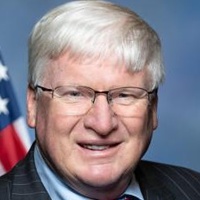
Glenn Grothman
Representative
WI
Glenn Grothman
Representative
WI
The Cancer Drug Parity Act of 2025 mandates that group health plans treat the cost-sharing for oral (take-at-home) anticancer drugs the same as they treat cost-sharing for intravenously administered cancer drugs. This ensures patients do not face higher out-of-pocket expenses for necessary oral chemotherapy medications. The Act also requires the GAO to study the financial impact of this new parity requirement on patients.
The Break the Cycle of Violence Act establishes federal frameworks within HHS and the Department of Labor to fund community-based violence intervention programs and provide job training for opportunity youth in high-violence areas.
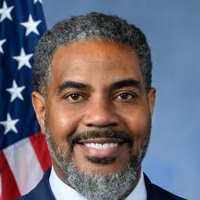
Steven Horsford
Representative
NV
Steven Horsford
Representative
NV
The Break the Cycle of Violence Act establishes federal frameworks within HHS and the Department of Labor to address community violence through prevention and economic opportunity. Title I creates grants for community-based violence intervention programs focused on evidence-based, trauma-responsive care, while Title II funds job training for opportunity youth in high-violence areas. Overall, the bill aims to reduce violence by investing in local services and creating pathways to employment rather than relying solely on incarceration.
This bill establishes a strict, last-resort framework requiring explicit Congressional approval for the President to deploy U.S. Armed Forces domestically to suppress insurrection or quell severe domestic violence.
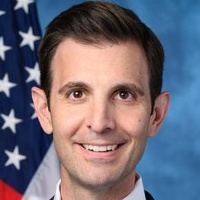
Chris Deluzio
Representative
PA
Chris Deluzio
Representative
PA
The Insurrection Act of 2025 completely rewrites the rules governing when the President can deploy the U.S. Armed Forces domestically to suppress insurrection or quell severe domestic violence. This deployment is strictly limited to being a last resort, requiring specific triggers such as overwhelming local failure or the denial of constitutional rights. Before acting, the President must issue a proclamation and provide a detailed report to Congress, whose approval is required to extend military authority beyond seven days. The Act also establishes expedited congressional procedures for reviewing and approving the deployment and allows for judicial review of the President's legal basis for action.
The Fire Weather Development Act of 2025 establishes new federal programs, committees, and testbeds to significantly enhance wildfire forecasting, detection, interagency coordination, and firefighter communications.
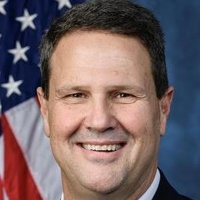
Jeff Crank
Representative
CO
Jeff Crank
Representative
CO
The Fire Weather Development Act of 2025 aims to significantly enhance wildfire preparedness and response by improving fire weather forecasting, detection, and information sharing through NOAA. The bill establishes new interagency and advisory committees to coordinate federal efforts and gather expert input on crucial needs. It also creates a dedicated fire weather testbed, addresses the incident meteorologist workforce, and mandates research into better communication systems for first responders.
This Act directs the Secretary of HHS to issue guidance on Medicaid/CHIP coverage for postpartum pelvic health services and establishes a national education campaign on the topic.
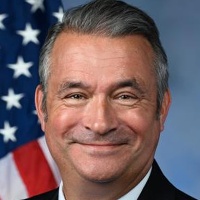
Don Bacon
Representative
NE
Don Bacon
Representative
NE
The Optimizing Postpartum Outcomes Act of 2025 aims to improve women's health after childbirth by clarifying Medicaid/CHIP coverage for essential pelvic health services. It mandates federal guidance for states on covering services like pelvic floor exams and physical therapy, alongside establishing a national education campaign for both providers and new mothers. The bill also directs the GAO to study existing coverage gaps for postpartum women under Medicaid.
This bill reauthorizes and restructures the Bureau of Land Management Foundation, renaming it the Foundation for America's Public Lands, adjusting its board composition, and setting spending restrictions and funding levels.
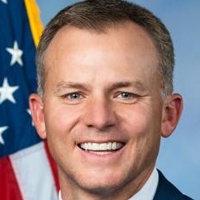
Blake Moore
Representative
UT
Blake Moore
Representative
UT
This bill officially renames the Bureau of Land Management Foundation to the Foundation for America’s Public Lands and modifies its governing structure. It increases the size of the Board of Directors over four years while mandating specific expertise from various public land users and resource managers. Furthermore, the Act places strict prohibitions on the Foundation using funds for lobbying or litigation and authorizes $10 million annually for five fiscal years.
This act exempts qualifying small businesses from special import duties or fees imposed by the President during a declared national emergency.
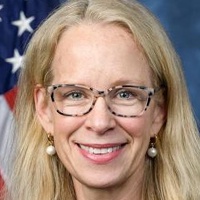
Kelly Morrison
Representative
MN
Kelly Morrison
Representative
MN
The Small Business Liberation Act exempts qualifying small businesses from special duties or fees imposed by the President following a national emergency declaration. This provision ensures that small businesses are not burdened by extra import costs triggered during times of national crisis.
The FIGHT Act of 2025 strengthens federal prohibitions against animal fighting, enhances enforcement mechanisms, and allows citizens to sue violators of animal fighting provisions.
Don Bacon
Representative
NE
Don Bacon
Representative
NE
The FIGHT Act of 2025 significantly strengthens federal prohibitions against animal fighting ventures, specifically targeting the sponsorship, exhibition, and gambling associated with these events. This legislation clarifies the definition of a rooster for legal purposes and bans the interstate transport of roosters for fighting. Furthermore, it empowers private citizens to file lawsuits against violators, allowing for civil penalties and the potential seizure of property used to facilitate illegal animal fighting.
The LEAPS Act mandates the USDA to educate farmers on the financial and environmental benefits of energy-efficient pumping systems and develop an online tool to estimate potential savings.
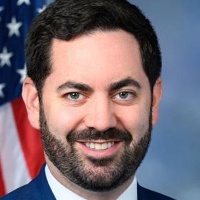
Michael Lawler
Representative
NY
Michael Lawler
Representative
NY
The LEAPS Act aims to promote energy efficiency in agricultural water pumping systems to save farmers money and reduce environmental impact. It mandates the USDA to provide farmers with information and an online tool to calculate potential savings from upgrading pumps, pipes, and related equipment. Furthermore, the bill ensures that energy-efficient system installations qualify for conservation program credits.
This Act establishes a comprehensive, federally funded grant program to support evidence-based violence prevention and trauma-informed support for high-risk youth in schools located in high-violence communities.
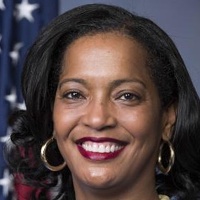
Jahana Hayes
Representative
CT
Jahana Hayes
Representative
CT
The School Violence Prevention Act establishes a new, comprehensive grant program to fund evidence-based violence prevention initiatives in high-risk communities. These grants will support partnerships between schools and community organizations to implement trauma-informed programs focused on youth development, social skills, and connecting students with mental health resources. The bill mandates rigorous evaluation of these programs to measure their impact on student success and overall community safety.