
Legislative Activity
Track Eleanor's sponsored bills, co-sponsored legislation, and voting record
This bill mandates a Federal Railroad Administration study on the feasibility and implementation of electrifying passenger and freight rail corridors across the United States.
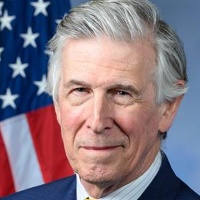
Donald Beyer
Representative
VA
Donald Beyer
Representative
VA
This bill, the "American Electric Rail Mapping Act of 2026," mandates the Federal Railroad Administration to conduct a comprehensive study on the feasibility of electrifying passenger and freight rail corridors nationwide. The study will map existing and planned rail systems, assess current power sources, and identify segments suitable for electrification or other clean rail technologies. The Administrator is required to consult with various stakeholders and report findings to Congress within two years of enactment.
This act amends federal law to double the overtime pay rate for covered employees from time-and-a-half to double their regular rate of pay.
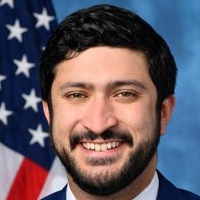
Gregorio Casar
Representative
TX
Gregorio Casar
Representative
TX
The Double the Wage for Overtime Act of 2026 amends the Fair Labor Standards Act to increase the required overtime pay rate for covered employees from time-and-a-half to double their regular rate of pay. This means employees will earn twice their normal hourly wage for all hours worked beyond 40 in a workweek. This change will take effect 180 days after the bill is enacted.
This act expands the Gun Free School Zones Act to include early childhood education programs and preschools under the definition of a "school zone."
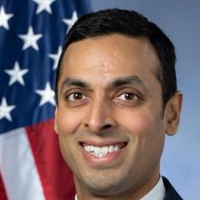
Suhas Subramanyam
Representative
VA
Suhas Subramanyam
Representative
VA
The Protect Every Preschooler Act of 2026 expands the existing Gun Free School Zones Act to include early childhood education programs and preschools. This amendment broadens the definition of a "school" to ensure these younger educational settings are covered under federal gun-free zone restrictions.
This bill mandates an EPA study on the environmental impacts of AI data centers, establishes a NIST consortium to develop measurement standards, and requires large AI data centers to publicly report their environmental impacts.
Donald Beyer
Representative
VA
Donald Beyer
Representative
VA
This bill, the "Artificial Intelligence Environmental Impacts Act of 2026," mandates a comprehensive study by the EPA on the environmental and energy impacts of AI data centers and infrastructure. It also requires the National Institute of Standards and Technology to establish a consortium to develop measurement standards for these impacts. Finally, the legislation establishes an annual public reporting system for large AI data centers detailing their environmental footprint.
This bill establishes a National Science Foundation demonstration program to improve mentorship skills and practices for STEM faculty and researchers, while also expanding reporting requirements for scientific misconduct.
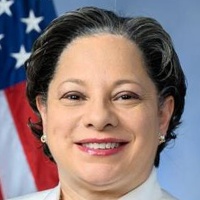
Jennifer McClellan
Representative
VA
Jennifer McClellan
Representative
VA
The Improving Mentorship in STEM Higher Education Act authorizes the National Science Foundation to establish a demonstration program providing competitive grants to improve mentorship skills and practices for STEM faculty and researchers. Special consideration for these grants will be given to minority-serving and emerging research institutions. The bill also expands National Science Foundation reporting requirements to include processes for addressing harassment and scientific misconduct.
The HEAR Act of 2026 generally prohibits the manufacture, transfer, and possession of firearm silencers and mufflers while establishing exceptions for government entities and creating a mandatory federal buy-back program.
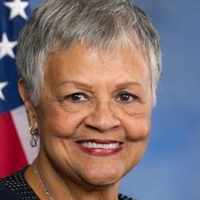
Bonnie Watson Coleman
Representative
NJ
Bonnie Watson Coleman
Representative
NJ
The HEAR Act of 2026 generally prohibits the manufacture, transfer, and possession of firearm silencers and mufflers, with specific exceptions for government, law enforcement, and nuclear security personnel. The bill removes silencers from the federal definition of a "firearm" while simultaneously establishing penalties for violating the new ban. It also mandates the Attorney General to create a 90-day nationwide buy-back program for surrendered silencers using Byrne grant funds.
This Act establishes a grant program to fund research and development of innovative, secure firearm storage technologies and study their adoption.
Suhas Subramanyam
Representative
VA
Suhas Subramanyam
Representative
VA
The Gun Safety Innovation Opportunity Act of 2026 establishes a grant program to fund research and development of advanced, secure firearm storage technologies, such as biometric locks. This initiative aims to improve safe storage options by awarding funds to universities and manufacturers to create and promote these innovations. The Act also mandates a report to Congress on how new storage technology can enhance safety, aid law enforcement, and prevent self-harm.
The Ukraine Support Act strengthens U.S. diplomatic, military, and economic support for Ukraine while imposing comprehensive sanctions on Russia to counter its ongoing aggression and war crimes.
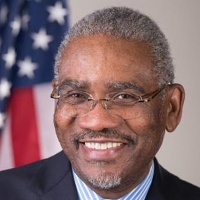
Gregory Meeks
Representative
NY
Gregory Meeks
Representative
NY
The Ukraine Support Act strengthens U.S. diplomatic, military, and economic support for Ukraine while intensifying pressure on Russia through comprehensive sanctions and export controls. The bill establishes long-term reconstruction and security programs, bolsters independent media, and mandates strategies to reduce European reliance on Russian energy. Additionally, it reinforces NATO’s collective defense and imposes strict oversight on the use of U.S. aid to ensure accountability and strategic impact.
This bill expresses support for designating June 5, 2026, as "National Gun Violence Awareness Day" and June 2026 as "National Gun Violence Awareness Month" to honor victims and promote awareness of gun violence.
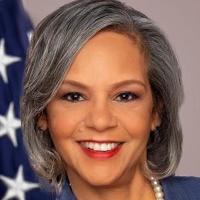
Robin Kelly
Representative
IL
Robin Kelly
Representative
IL
This bill expresses support for designating June 5, 2026, as "National Gun Violence Awareness Day" and the entire month of June 2026 as "National Gun Violence Awareness Month." The designations aim to honor the nearly 47,000 people killed by gunfire each year and raise public awareness about the devastating impact of gun violence. The resolution encourages the public to wear orange on that day and focus on community efforts to promote gun safety.
This act mandates that public housing utility allowances cover the cost of basic, filtered high-speed internet for low-income families with school-aged children.
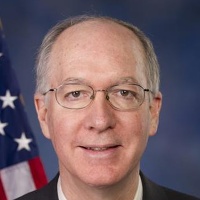
Bill Foster
Representative
IL
Bill Foster
Representative
IL
The Closing the Digital Divide for Students Act of 2026 aims to ensure low-income families with children have access to essential internet service. This bill amends public housing rules to include the cost of basic, high-speed internet within utility allowances. Eligibility is restricted to families whose children qualify for free or reduced-price school lunches, and the service must include content filtering for minors.
This act expands remedies for employment discrimination by explicitly including non-economic damages and guaranteeing jury trials for intentional discrimination claims, while also making compensatory and punitive damages available in age discrimination lawsuits.

Suzanne Bonamici
Representative
OR
Suzanne Bonamici
Representative
OR
The Equal Remedies Act of 2026 aims to strengthen protections against employment discrimination by expanding the types of damages available to victims of intentional discrimination. This bill explicitly allows for compensation for both economic and non-economic harm, such as emotional distress, in discrimination cases. Furthermore, it grants victims of age discrimination the right to seek compensatory and punitive damages, aligning their remedies with those available under Title VII of the Civil Rights Act.
This Act prohibits the use of federal student financial aid information for immigration enforcement purposes, with limited exceptions.
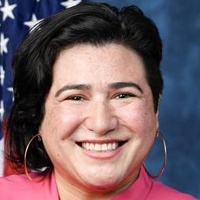
Emily Randall
Representative
WA
Emily Randall
Representative
WA
The Protecting Student Privacy Act amends the Higher Education Act to safeguard student financial aid information from being used for immigration enforcement purposes by federal, state, or local agencies. This bill specifically prohibits the sharing of this personally identifiable data with immigration enforcement entities unless compelled by a court order or with voluntary, uncoerced consent from the individual. Furthermore, the Act mandates reporting to Congress if any violations of this privacy protection occur.
This bill establishes an Office of Legal Access Programs to create and administer programs educating noncitizens about their legal rights and procedures under U.S. immigration law.
Bill Foster
Representative
IL
Bill Foster
Representative
IL
The Know Your Rights Act establishes an Office of Legal Access Programs to educate noncitizens about their legal rights and administrative procedures under U.S. immigration law. This office will develop and administer legal orientation programs for detained individuals to promote informed decision-making and increase efficiency in immigration proceedings. The goal is to ensure timely access to essential legal information for noncitizens in custody.
The Department of Homeland Security Accountability Act of 2026 mandates timely congressional notification and independent investigations into all serious injuries or deaths occurring within DHS custody or resulting from agency actions.
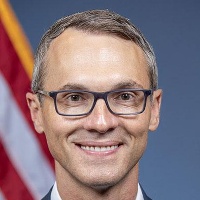
James Walkinshaw
Representative
VA
James Walkinshaw
Representative
VA
The Department of Homeland Security Accountability Act of 2026 mandates that the DHS notify Congress and local representatives within 72 hours of any serious injury or death occurring in its custody or resulting from personnel actions. The bill requires independent investigations into these incidents, establishes strict evidence preservation protocols, and enforces administrative leave for employees involved in lethal force incidents. These measures aim to increase transparency and ensure rigorous oversight of DHS operations.
This bill mandates that political committees clearly disclose when they pay individuals to post content on digital platforms.
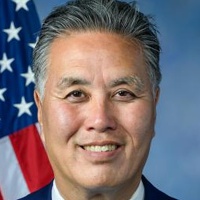
Mark Takano
Representative
CA
Mark Takano
Representative
CA
The Promoting Authenticity with Influencer Disclaimers Act mandates that political committees clearly disclose when they have paid an individual to post content online. This ensures that consumers can easily identify paid political messaging across digital platforms. The law sets standards for conspicuous disclaimers and establishes an effective date of January 1, 2027.
This bill advances menopause care and mid-life women's health by funding research, public education, provider training, and establishing centers of excellence.

Yvette Clarke
Representative
NY
Yvette Clarke
Representative
NY
The Advancing Menopause Care and Mid-Life Women’s Health Act aims to significantly improve care for mid-life women by expanding federal research, public health promotion, and provider training related to menopause. The bill establishes national awareness programs and designates Centers of Excellence to enhance education and treatment resources. Overall, it seeks to address gaps in research, access to care, and provider knowledge concerning perimenopause, menopause, and related health conditions.
The SAFEGUARD Veterans Act of 2026 reinstates and expands penalties for unauthorized fee charging by unaccredited representatives while improving transparency and resources for veterans seeking legitimate representation for VA benefits.

Chris Pappas
Representative
NH
Chris Pappas
Representative
NH
The **SAFEGUARD Veterans Act of 2026** strengthens protections for veterans by reinstating and expanding penalties against unaccredited representatives who charge unauthorized fees for VA benefit claims assistance. The bill mandates increased transparency by requiring the VA to maintain searchable lists of accredited representatives and improve public warnings about predatory practices on all VA websites. Furthermore, it requires new data collection on paid assistance and establishes a high-availability accreditation system for recognized agents and attorneys.
This bill mandates that DHS agencies like CBP and ICE must notify a designated point of contact before releasing an individual from custody, provided the detention exceeds 12 hours at a port of entry.
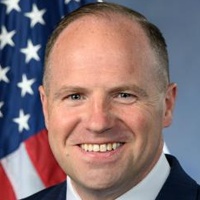
Timothy Kennedy
Representative
NY
Timothy Kennedy
Representative
NY
The DHS Release Transparency Act requires U.S. Customs and Border Protection (CBP) and U.S. Immigration and Customs Enforcement (ICE) to offer detained individuals the option to designate a point of contact for release notifications. If designated, the Department of Homeland Security must notify this contact before releasing the individual, ensuring translation services are provided throughout the process. Crucially, the collected contact information cannot be used for any enforcement actions.
This act establishes a grant program to fund the placement of AEDs and CPR training in eligible federally assisted multifamily housing complexes.

Dan Goldman
Representative
NY
Dan Goldman
Representative
NY
The Residential AED and CPR Preparedness Act of 2026 establishes a grant program to increase access to Automated External Defibrillators (AEDs) and CPR training in eligible federally assisted multifamily housing complexes. This funding allows housing owners, in partnership with healthcare entities, to purchase equipment, develop emergency response plans, and train residents and staff. The goal is to enhance cardiac emergency readiness in these communities through comprehensive preparedness programs.
This act amends federal law to require labeling of foods containing gluten-containing grains as a major food allergen.
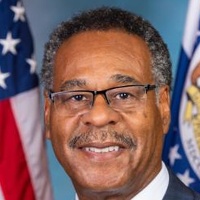
Emanuel Cleaver
Representative
MO
Emanuel Cleaver
Representative
MO
The Celiac Safety Act of 2026 amends federal law to officially classify gluten-containing grains (wheat, rye, and barley) as a major food allergen. This change mandates that foods containing these grains must be clearly labeled as such, similar to existing major allergens like peanuts or milk. This new labeling requirement will take effect 18 months after the Act's enactment.