
Legislative Activity
Track Eleanor's sponsored bills, co-sponsored legislation, and voting record
This bill mandates new public transparency requirements, including advance notice and live audio streaming, for meetings of certain federal judicial conferences and councils.
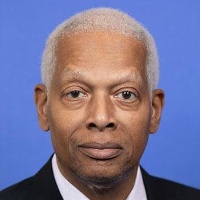
Henry Johnson
Representative
GA
Henry Johnson
Representative
GA
The Open Meetings Act of 2026 introduces new transparency requirements for meetings of certain federal judicial conferences and councils. This bill mandates that these "covered meetings" must provide at least 30 days public notice and offer free, accessible live audio streaming. Furthermore, the Judicial Conference must archive and publish recordings of these meetings online within seven days.
This act doubles the maximum Pell Grant award, makes funding mandatory, extends eligibility to Dreamer students, restores previous eligibility limits, and reforms Satisfactory Academic Progress rules.
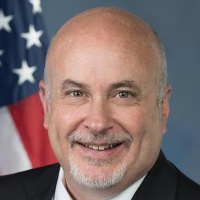
Mark Pocan
Representative
WI
Mark Pocan
Representative
WI
The Pell Grant Preservation and Expansion Act of 2026 aims to significantly strengthen federal student aid by doubling the maximum Pell Grant award and funding it through mandatory appropriations. This bill also expands eligibility to include Dreamer students, restores Pell Grant eligibility for students with certain scholarships, and reforms Satisfactory Academic Progress (SAP) rules to make regaining aid easier after academic setbacks. These changes are designed to stabilize and expand access to postsecondary education for millions of students.
This bill commemorates the 50th anniversary of women enrolling in U.S. military service academies and honors their distinguished contributions to national service.
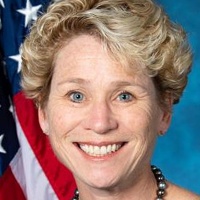
Chrissy Houlahan
Representative
PA
Chrissy Houlahan
Representative
PA
This resolution commemorates the 50th anniversary of women enrolling in U.S. military service academies, recognizing their significant growth and distinguished achievements since 1976. It honors the thousands of women graduates who have served with distinction across all branches of the armed forces and in national service. The bill also expresses support for designating a "50 Years of Women at the Service Academies Day."
This resolution expresses support for designating June 21, 2026, as National ASK (Asking Saves Kids) Day to promote children's health through secure gun storage awareness.
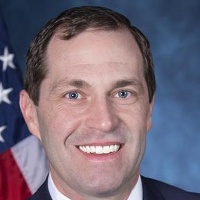
Jason Crow
Representative
CO
Jason Crow
Representative
CO
This resolution expresses support for designating June 21, 2026, as National ASK (Asking Saves Kids) Day. The day aims to promote children's health by encouraging parents to ask about the secure storage of guns in homes before their children visit. It highlights the critical need for safe gun storage given the high rates of youth firearm deaths and injuries.
This bill amends existing law to provide air transportation passengers with disabilities new remedies, including the right to sue, for discrimination experienced while traveling.
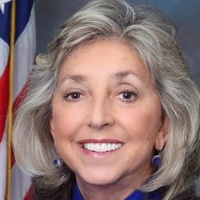
Dina Titus
Representative
NV
Dina Titus
Representative
NV
This bill, the "Air Carrier Access Amendments Act of 2026," strengthens protections against disability discrimination in air travel. It establishes new civil penalties for specific violations like damaging assistive devices or causing passenger harm. Crucially, it grants individuals with disabilities a private right of action to sue air carriers for violations, allowing them to seek damages and attorney's fees.
This Act establishes federal oversight, notification requirements, and criminal penalties concerning the seizure of state and local election materials by federal agencies.

Dan Goldman
Representative
NY
Dan Goldman
Representative
NY
The Voting Systems Protection Act establishes strict federal oversight for the seizure of election materials, requiring state officials to monitor the handling of any federally seized voting equipment or records under a court warrant. It imposes severe criminal penalties on federal officials who tamper with or destroy these materials and prohibits federal seizure of election materials during a restricted 240-day window surrounding federal elections, except in narrowly defined emergency circumstances. Furthermore, the bill mandates that federal agencies provide 48 hours advance notice to state and congressional officials before conducting any seizure.
This bill recognizes and affirms the importance of everyday acts of kindness in strengthening American communities and fostering national unity.
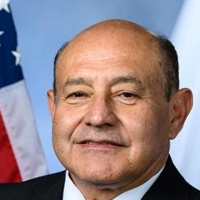
J. Correa
Representative
CA
J. Correa
Representative
CA
This resolution recognizes the importance of everyday acts of kindness in strengthening communities and building national resiliency. It affirms the commitment to fostering a culture of kindness across the United States, highlighting its power to connect people and improve well-being. The bill encourages recognizing and spreading kindness as an essential bond for the nation.
This bill mandates the creation of an online detainee locator system by DHS, requires notification for medical transfers, and increases public reporting on CBP arrests and enforcement operations.
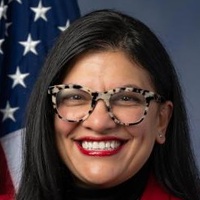
Rashida Tlaib
Representative
MI
Rashida Tlaib
Representative
MI
This bill, the "Find Our Families Act of 2026," mandates the creation of a public, online detainee locator system for individuals in CBP and ICE custody, accessible in multiple languages. It requires timely posting of custody and location information, along with new notification requirements for medical transfers to family members. Additionally, the bill requires the public reporting of detailed information regarding CBP arrests and ongoing enforcement operations.
This bill, the "Protect Local Funding Act," prohibits the finalization, implementation, or enforcement of the proposed "Regulation for Federal Financial Assistance" rule published on May 29, 2026, or any substantially similar rule.
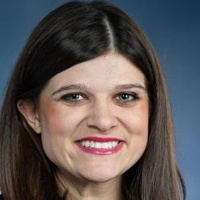
Haley Stevens
Representative
MI
Haley Stevens
Representative
MI
This bill, the "Protect Local Funding Act," prohibits the finalization, implementation, or enforcement of the proposed "Regulation for Federal Financial Assistance" published on May 29, 2026, or any substantially similar rule. It prevents federal agencies from enacting this specific regulation concerning federal financial assistance.
The EDUCATE Act of 2026 establishes federal grant and scholarship programs, along with legal protections, to support marijuana research and workforce development at eligible institutions of higher education.
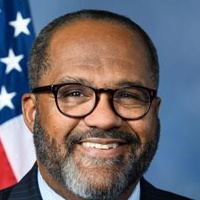
Troy Carter
Representative
LA
Troy Carter
Representative
LA
The EDUCATE Act of 2026 establishes federal grant programs to support agricultural research and scholarships focused on marijuana cultivation and processing at eligible institutions. These programs aim to optimize sustainable farming techniques and develop the agricultural workforce, prioritizing partnerships with minority and small-scale farmers. The Act also provides legal protections for authorized research activities conducted by these institutions.
This bill prohibits Medicare Advantage plans from requiring prior authorization for repairs to complex rehabilitation technology like certain wheelchairs.
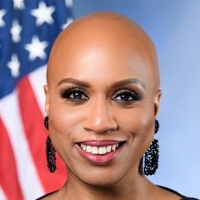
Ayanna Pressley
Representative
MA
Ayanna Pressley
Representative
MA
The FAST Repairs for Wheelchairs Act aims to speed up the repair process for essential mobility devices covered under Medicare Advantage. This bill prohibits Medicare Advantage plans from requiring prior authorization or extra documentation before covering necessary repairs to complex rehabilitation wheelchairs and related accessories. These new rules take effect for plan years beginning on or after January 1st following the law's enactment.
This bill requires Congressional approval for any legal settlement involving a current or former President and the federal government.
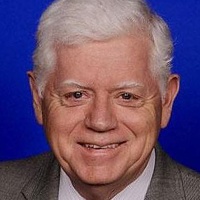
John Larson
Representative
CT
John Larson
Representative
CT
The "Don’t Settle for Corruption Act" requires the Attorney General to submit any proposed lawsuit settlements involving current or former Presidents to Congress for review. Under this bill, such settlements cannot be finalized or paid unless Congress passes a joint resolution of approval within 60 days. This measure aims to increase transparency and oversight regarding legal agreements between the executive branch and former or sitting Presidents.
This bill significantly strengthens child labor protections under federal law by expanding definitions of oppressive labor, increasing penalties, enhancing supply chain accountability, and imposing new requirements on federal contractors.

Rosa DeLauro
Representative
CT
Rosa DeLauro
Representative
CT
The CHILD Labor Act significantly strengthens protections against child labor by expanding the definition of oppressive child labor and requiring updated regulations for hazardous work under the Fair Labor Standards Act. It enhances enforcement through supply chain accountability, extended "hot goods" restrictions, liability for successor businesses, and increased civil and criminal penalties for violations. Furthermore, the Act imposes strict child labor requirements on federal contractors and recipients of federal financial assistance.
This bill calls for the restoration of the U.S. Refugee Admissions Program and reaffirms America's commitment to protecting refugees and displaced persons globally.
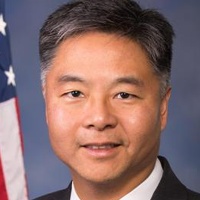
Ted Lieu
Representative
CA
Ted Lieu
Representative
CA
This resolution reaffirms the United States' commitment to refugee protection both domestically and globally, condemning recent policy actions that suspended refugee admissions. It calls for the immediate restoration of the U.S. Refugee Admissions Program and stronger support for displaced persons worldwide. The bill emphasizes the legal, moral, and economic benefits of robust refugee resettlement policies.
This act establishes allowed evidence-based interventions and prohibits punitive measures for student absences to combat chronic absenteeism in K-12 education.
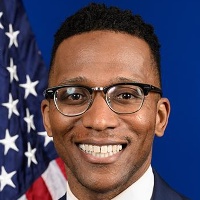
Christian Menefee
Representative
TX
Christian Menefee
Representative
TX
The All in For Attendance Act addresses the widespread problem of chronic student absenteeism by expanding federal support for proven, non-punitive interventions. The bill allows schools to use federal funds for strategies like data tracking, family engagement, and targeted support programs. Crucially, it also prohibits local educational agencies from imposing suspensions, fines, or academic penalties on students solely due to their absences.
This Act establishes a federal program to provide funding for state and local governments and partner organizations to microchip dogs and cats in shelters before they are released.
Ted Lieu
Representative
CA
Ted Lieu
Representative
CA
The Keeping Pets and Families Together Act establishes a federal program to provide funding for state and local governments to support the microchipping of dogs and cats in shelters. This initiative aims to increase the chances of reuniting lost pets with their original owners or ensuring proper tracking upon adoption or transfer. The Secretary of Agriculture must report on the program's effectiveness and recommend future funding by the end of 2030.
This resolution expresses support for designating June 2026 as Black Music Month to celebrate the profound and enduring cultural contributions of Black American music.
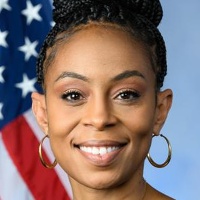
Shontel Brown
Representative
OH
Shontel Brown
Representative
OH
This resolution expresses support for designating June 2026 as "Black Music Month" to celebrate the profound and enduring contributions of Black American music to the nation's culture. It recognizes Black music's shaping influence across virtually every genre and its central role in the struggle for Black freedom. The resolution calls on the nation to observe the month by elevating Black artistry, promoting diversity, and honoring this deep-rooted musical legacy.
This act mandates the CDC to establish and maintain a publicly accessible database compiling peer-reviewed and government-issued gun violence research.
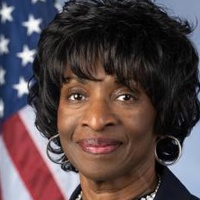
Valerie Foushee
Representative
NC
Valerie Foushee
Representative
NC
The Gun Violence Prevention and Public Safety Database Act of 2026 mandates the CDC to establish a publicly accessible database compiling peer-reviewed gun violence research within one year. This database must include research from key national health and safety systems and be updated every six months. The bill also authorizes dedicated federal funding to support this ongoing research and database maintenance.
This Act establishes warrant requirements for the arrest of unaccompanied minors away from the border, prohibits military transport for immigration enforcement, and ensures children have the right to legal consultation before signing documents affecting their immigration status.
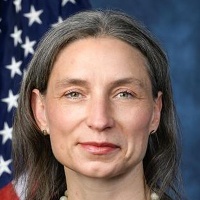
Maxine Dexter
Representative
OR
Maxine Dexter
Representative
OR
The Dignity and Due Process for Children Act of 2026 establishes new protections for unaccompanied alien children encountered in the U.S. It mandates a judicial warrant for the arrest or detention of these children away from the border and prohibits the use of military assets for immigration enforcement, except during natural disasters. Furthermore, the bill ensures children cannot be coerced into signing legal documents affecting their status without first having a confidential consultation with a lawyer.
This bill establishes six mandatory fee-free days annually for entry to federal recreational lands and waters to encourage public service and national pride.
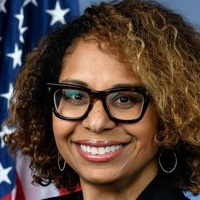
Sydney Kamlager-Dove
Representative
CA
Sydney Kamlager-Dove
Representative
CA
This bill, the "Encouraging Public Service in Our National Parks and Public Land Act," amends existing law to mandate six specific fee-free days annually for entry to federal recreational lands and waters. These free admission days are set to coincide with significant holidays like Martin Luther King Jr. Day and Veterans Day. The goal is to promote national pride and encourage public volunteerism by increasing access to these public lands.