
Legislative Activity
Track Eleanor's sponsored bills, co-sponsored legislation, and voting record
This act restricts government use of mail covers by requiring a court order based on reasonable grounds related to an ongoing criminal investigation.
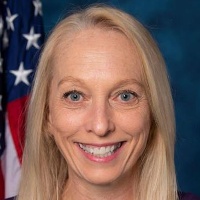
Mary Scanlon
Representative
PA
Mary Scanlon
Representative
PA
The Postal Data Privacy Act of 2026 significantly restricts the government's ability to use mail covers. This act mandates that federal entities must obtain a court order based on reasonable suspicion of criminal activity before accessing mail information. Furthermore, it establishes clear requirements for preserving mail records once a legal process is initiated.
This act prohibits the construction of triumphal arches in Lady Bird Johnson Park and restricts arches over 50 feet tall on other National Park Service land in the capital region to protect the viewshed of Arlington National Cemetery.
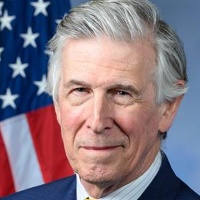
Donald Beyer
Representative
VA
Donald Beyer
Representative
VA
This act, the Arlington National Cemetery Viewshed Protection Act, prohibits the construction of any new triumphal arches in Lady Bird Johnson Park. It also restricts the building of any triumphal arch over 50 feet tall on other National Park Service land within the capital region unless explicitly authorized by Congress. The legislation aims to protect the visual landscape surrounding Arlington National Cemetery.
This concurrent resolution marks the 250th anniversary of the U.S. by reaffirming a national commitment to reducing gun violence and strengthening public safety through evidence-informed measures.
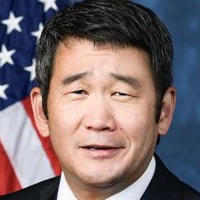
Dave Min
Representative
CA
Dave Min
Representative
CA
This concurrent resolution marks the U.S. 250th anniversary by reaffirming a national commitment to reducing gun violence and strengthening public safety. It recognizes the devastating impact of gun violence and supports evidence-informed measures like community intervention and universal background checks. The resolution calls for prioritizing support for law enforcement, investing in proactive violence prevention, and ensuring robust funding for victim services. Ultimately, it commits the nation to making gun violence prevention a priority for the next 250 years.
This Act directs the Secretary of Defense to analyze and report on the feasibility of establishing a separate criminal offense for hazing under the Uniform Code of Military Justice.
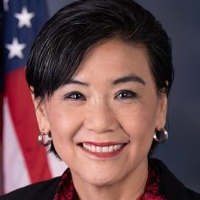
Judy Chu
Representative
CA
Judy Chu
Representative
CA
The Harry Lew and Danny Chen Military Justice Reform Act directs the Secretary of Defense to study the feasibility of creating a separate, specific criminal offense for hazing within the Uniform Code of Military Justice. This analysis must include developing a proposed definition of hazing. The Secretary is required to submit a report detailing these findings and recommendations to Congress within 180 days of the Act's enactment.
This act establishes a pilot grant program to fund the renovation and development of vital community gathering places, known as "third spaces," especially in underserved areas.
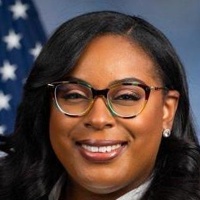
LaMonica McIver
Representative
NJ
LaMonica McIver
Representative
NJ
The RESTORE Third Spaces Act of 2026 establishes a three-year pilot grant program to renovate and develop vital community gathering places, known as "third spaces," outside of homes and workplaces. Administered by the Secretary of Commerce, the program prioritizes projects in underserved communities that strengthen local economies and combat social isolation. Grantees must ensure the resulting spaces remain free or low-cost to the public to foster social cohesion and civic engagement.
This bill establishes a refundable $500 monthly tax credit for qualifying young adults aged 18 to 24, with an option for advance monthly payments.
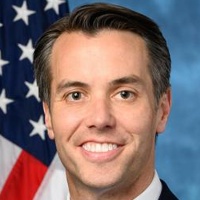
Morgan McGarvey
Representative
KY
Morgan McGarvey
Representative
KY
The Young Adult Tax Credit Act establishes a refundable $500 monthly tax credit for qualifying individuals aged 18 to 24. Taxpayers can elect to receive this benefit as monthly advance payments instead of waiting for an annual refund. The bill also mandates an outreach campaign to ensure eligible young adults are informed about and assisted in claiming this new credit.
The American High-Speed Rail Act significantly expands federal support for high-speed rail development by increasing funding, broadening eligibility, updating safety and technology requirements, and facilitating property acquisition and freight right-of-way transfers.
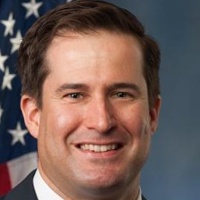
Seth Moulton
Representative
MA
Seth Moulton
Representative
MA
The American High-Speed Rail Act significantly expands federal support for high-speed and higher-speed rail development by increasing funding limits, broadening eligibility for public-private partnerships, and establishing new planning and safety requirements. The bill authorizes substantial funding through 2031 for corridor development and planning, while also creating pathways for acquiring necessary right-of-way property and ensuring labor protections on federally-funded infrastructure. It also refines definitions, setting the threshold for true "high-speed rail" at 186 mph or more, and introduces a new category for "higher-speed rail."
This bill formally recognizes the 1885 Rock Springs Chinese Massacre as a deadly act of anti-Chinese violence, honors the victims, and encourages education and preservation of this history.
Judy Chu
Representative
CA
Judy Chu
Representative
CA
This bill formally recognizes the 1885 Rock Springs Chinese Massacre as a deadly act of anti-Chinese violence in U.S. history. It honors the murdered Chinese immigrant workers and condemns the racist mob violence and subsequent failure to hold perpetrators accountable. Furthermore, the resolution encourages education and the preservation of the massacre site to ensure this history is not erased.
This Act authorizes $45 billion over ten years for affordable housing in high-cost areas and mandates a HUD study on reforming Area Median Income calculations to better serve urban low-income families.
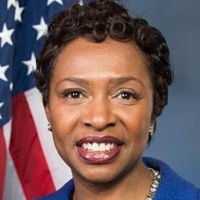
Yvette Clarke
Representative
NY
Yvette Clarke
Representative
NY
The Affordable Housing and Area Median Income Fairness Act of 2026 authorizes $15 billion annually for ten years to support affordable housing infrastructure specifically in high-cost areas. The bill also mandates the Department of Housing and Urban Development to conduct a comprehensive assessment of how Area Median Income (AMI) is calculated and used in federal housing programs. This assessment aims to find ways to optimize AMI calculations to make housing more affordable for low-income families in urban areas.
The BUILD America 250 Act authorizes and funds federal transportation programs through 2031, addressing highways, public transit, rail, safety, and innovation while introducing new fees for electric vehicles.
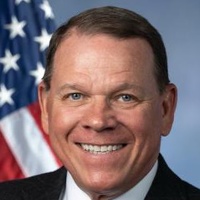
Sam Graves
Representative
MO
Sam Graves
Representative
MO
The **BUILD America 250 Act** is a comprehensive, multi-title bill authorizing federal surface transportation programs through 2031. It focuses on rebuilding highways and bridges, modernizing public transit, enhancing rail safety, and improving freight movement nationwide. Key provisions include new fees for electric vehicles, significant investments in accessibility for older transit stations, and stricter safety standards for commercial motor carriers.
This bill condemns the President's racist rhetoric targeting Indian and Chinese Americans while reaffirming the vital contributions of immigrants from all backgrounds to the United States.
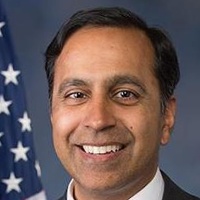
Raja Krishnamoorthi
Representative
IL
Raja Krishnamoorthi
Representative
IL
This resolution strongly condemns the President's use of racist rhetoric targeting Indian and Chinese Americans. It reaffirms the vital contributions of immigrants from all backgrounds to the United States. Finally, the bill calls on all elected officials to cease using language that promotes racial or ethnic division.
The Stay Cool Act coordinates federal heat response, funds community cooling centers and housing upgrades, and invests in urban green infrastructure to mitigate extreme heat risks.
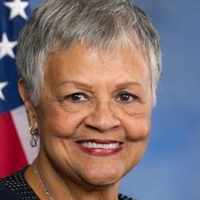
Bonnie Watson Coleman
Representative
NJ
Bonnie Watson Coleman
Representative
NJ
The **Stay Cool Act** is a comprehensive bill designed to combat the dangers of extreme heat through coordinated federal response, improved public warnings, and direct aid to vulnerable seniors. It establishes significant grant programs to fund community cooling centers, upgrade public housing with air conditioning, and develop urban green spaces and water features for neighborhood cooling. Overall, the legislation aims to increase community resilience, protect residents in federally assisted housing, and ensure more equitable access to safe, cool environments during heat emergencies.
This bill expresses support for designating May as National Menstrual Health Awareness Month to combat stigma, improve education, and enhance access to care and resources for people who menstruate.
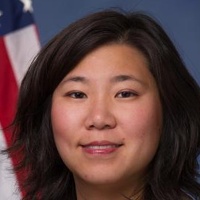
Grace Meng
Representative
NY
Grace Meng
Representative
NY
This bill expresses support for designating May as "National Menstrual Health Awareness Month." It recognizes the significant impact of menstruation stigma on health, education, and economic opportunity for women and girls. The resolution aims to normalize menstruation, improve education, and expand access to menstrual health care and research.
This bill updates federal law to require a warrant for government access to the content of stored electronic communications, regardless of how long they have been stored, while also clarifying provider disclosure rules.

Suzan DelBene
Representative
WA
Suzan DelBene
Representative
WA
The Email Privacy Act updates federal law regarding electronic communication privacy and government access to stored digital data. This bill mandates that law enforcement must obtain a warrant to compel service providers to disclose the content of any stored electronic communication, regardless of how long it has been stored. It also clarifies the rules under which providers may voluntarily disclose customer information.
This bill expands Medicare Part B coverage to reimburse for specific pharmacist services related to testing and treatment for certain public health threats, effective January 1, 2026.

Adrian Smith
Representative
NE
Adrian Smith
Representative
NE
The Ensuring Community Access to Pharmacist Services Act expands Medicare Part B coverage to include services provided by pharmacists starting January 1, 2026. This coverage is specifically for testing or treatment related to COVID-19, the flu, RSV, strep throat, or during a declared public health emergency. The bill outlines payment structures, generally covering 80% of the cost, and prohibits pharmacists from balance billing Medicare patients for these covered services.
This Act reaffirms U.S. commitment to the Tibetan people's human rights and distinct identity, supports the Central Tibetan Administration, and directs diplomatic efforts to secure its greater recognition in international forums.
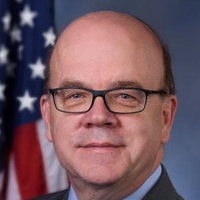
James McGovern
Representative
MA
James McGovern
Representative
MA
The Assuring the Future of Tibet Act of 2026 reaffirms long-standing U.S. policy supporting the human rights and distinct identity of the Tibetan people. It declares that the Central Tibetan Administration is the legitimate representative of the Tibetan people and supports dialogue for a negotiated resolution to the Tibet-China dispute. The bill mandates increased high-level U.S. diplomatic engagement with the Central Tibetan Administration and directs advocacy for its observer status in the United Nations.
This resolution expresses the sense of Congress that the U.S. must act to end child poverty by making permanent key investments like the expanded Child Tax Credit and ensuring all children have access to essential resources.
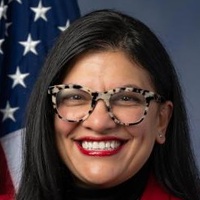
Rashida Tlaib
Representative
MI
Rashida Tlaib
Representative
MI
This resolution expresses the sense of Congress that the United States must take immediate action to end child poverty, citing alarming national rates and the proven success of past federal investments. It calls for establishing a national goal to reduce child poverty and supports key policy changes, including making the expanded Child Tax Credit permanent. The bill advocates for increased federal spending on children, universal access to quality early education, and equitable K-12 public schooling for every child.
This Act establishes a program for eligible noncitizen veterans removed or facing removal to adjust their status to lawful permanent residents and protects current noncitizen service members and veterans from removal except for convictions of violent crimes.
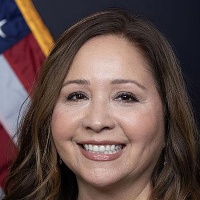
Adelita Grijalva
Representative
AZ
Adelita Grijalva
Representative
AZ
The Veterans Visa and Protection Act of 2026 establishes a program for noncitizen veterans removed or facing removal to return to the U.S. and adjust their status to lawful permanent residents. This Act prohibits the removal of noncitizen veterans and service members unless they have committed a qualifying crime of violence. Furthermore, it streamlines the path to naturalization and ensures eligible veterans receive all corresponding military and veterans benefits.
The Provider Reimbursement Stability Act of 2026 reforms Medicare physician payment policies by updating budget neutrality thresholds, establishing a correction process for utilization estimates, mandating periodic updates to practice expense data, and limiting annual conversion factor fluctuations.
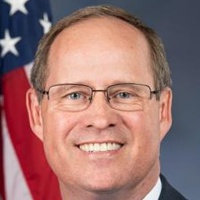
Gregory Murphy
Representative
NC
Gregory Murphy
Representative
NC
The Provider Reimbursement Stability Act of 2026 aims to improve the accuracy and predictability of Medicare physician payments. The bill reforms budget neutrality calculations, mandates periodic updates to practice expense cost data, and establishes a 2.5% cap on annual conversion factor fluctuations. These measures are designed to ensure more stable reimbursement rates for healthcare providers.
The All Students Count Act of 2026 mandates that schools disaggregate student performance data for Asian American, Native Hawaiian, and Pacific Islander communities into specific ethnic subgroups to better address their diverse educational needs.

Pramila Jayapal
Representative
WA
Pramila Jayapal
Representative
WA
The All Students Count Act of 2026 aims to address educational disparities among diverse Asian American, Native Hawaiian, and Pacific Islander (AANHPI) communities. This bill amends the Elementary and Secondary Education Act to mandate the disaggregation of student performance data into specific ethnic subgroups for AANHPI students. By requiring more detailed reporting, the Act seeks to accurately identify and support the unique educational needs of these varied populations.