Legislative Activity
Track Adelita's sponsored bills, co-sponsored legislation, and voting record
This resolution expresses support for honoring Earth Day while affirming Congress's commitment to environmental protection, climate action, and reversing recent environmental rollbacks.
Doris Matsui
Representative
CA
Doris Matsui
Representative
CA
This resolution expresses support for honoring Earth Day and reaffirms Congress's commitment to environmental protection and sustainability. It recognizes the historical impact of Earth Day on the modern environmental movement and calls for continued action against threats like climate change and pollution. The bill urges immediate steps to reduce emissions, address environmental injustices, and ensure a healthy planet for future generations.
This Act establishes federal programs to address the impact of climate change risks, like extreme heat and pollution, on maternal and infant health through grants, education, research, and risk zone identification.

Lauren Underwood
Representative
IL
Lauren Underwood
Representative
IL
The Protecting Moms and Babies Against Climate Change Act directs the Department of Health and Human Services to address how climate change risks, like extreme heat and pollution, harm maternal and infant health. The bill establishes grant programs to support local efforts and education, and mandates research and strategies to identify high-risk zones for pregnant individuals and young children. Its goal is to reduce adverse outcomes such as preterm birth, low birth weight, and maternal mortality linked to climate change.
This bill establishes a federal grant program through the Treasury Department to fund community organizations providing financial coaching and to develop standardized credentialing for financial coaches.
Sylvia Garcia
Representative
TX
Sylvia Garcia
Representative
TX
The Improving Access to Financial Coaching Act of 2026 establishes a federal grant program through the Department of the Treasury to fund nonprofit and community organizations providing financial coaching. This legislation aims to increase access to high-quality financial guidance for low- and moderate-income consumers. The Act also mandates the development of standardized certification practices for financial coaches nationwide.
This resolution affirms housing as a fundamental human right and opposes policies that would force families with mixed immigration status to separate or lose federal housing assistance.
Delia Ramirez
Representative
IL
Delia Ramirez
Representative
IL
This resolution affirms that stable housing is a fundamental human right essential for all families, regardless of immigration status. It strongly condemns a proposed rule that would force families with mixed immigration status to separate or lose vital housing assistance. The bill calls for protecting families in federal housing programs and demands increased investment to address the national housing crisis.
The YouthBuild for the Future Act reauthorizes and updates the YouthBuild program to provide education, job training, and green building experience for low-income young people, while also establishing new grants for employer partnerships.
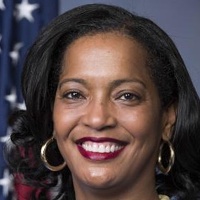
Jahana Hayes
Representative
CT
Jahana Hayes
Representative
CT
The YouthBuild for the Future Act reauthorizes and updates the YouthBuild program through 2030, providing education, job training, and leadership development for low-income young people, with a focus on green building skills. The bill increases funding authorization and expands allowable services, such as food assistance and help applying for benefits. It also establishes a new grant program to create employer partnerships that connect participants directly to local job opportunities.
This act permanently extends and enhances the Trump Accounts contribution program, adjusting the contribution amount for inflation starting in 2029.

Adrian Smith
Representative
NE
Adrian Smith
Representative
NE
The Trump Accounts for All Generations Act makes the existing Trump Accounts contribution program permanent, removing its scheduled expiration date. It also adjusts the annual contribution amount for inflation starting in 2029, ensuring the program's long-term stability. These changes are effective for tax years beginning after December 31, 2026.
This Act establishes grants to help local educational agencies and partners transform schoolyards into ecological, educational, and community-accessible outdoor learning environments.

Summer Lee
Representative
PA
Summer Lee
Representative
PA
The Revitalizing America’s Schoolyards Act of 2026 establishes grants for local educational agencies and partners to transform school outdoor spaces into "revitalized schoolyards." These park-like environments must strengthen ecology, provide hands-on learning, and promote health, while remaining open for shared public use outside of school hours. The program prioritizes funding for schools serving high percentages of low-income students and directs the Department of Education to create a clearinghouse for best practices in outdoor learning spaces.
This bill officially renames the United States Postal Service facility in Marana, Arizona, to the Mayor Ed Honea Memorial Post Office.
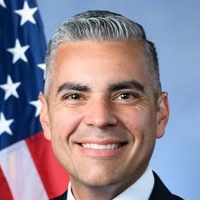
Juan Ciscomani
Representative
AZ
Juan Ciscomani
Representative
AZ
This bill officially renames the United States Postal Service facility located at 13355 North Lon Adams Road in Marana, Arizona. The facility will now be known as the Mayor Ed Honea Memorial Post Office. This designation will be reflected in all official records and documents referencing the location.
This Act establishes a grant program to fund evidence-based and innovative strategies addressing the academic, social-emotional, and health needs of students, particularly those impacted by the COVID-19 pandemic.
Jahana Hayes
Representative
CT
Jahana Hayes
Representative
CT
The Educational Equity Challenge Grant Act of 2026 establishes a grant program to help eligible entities address students' academic, social-emotional, and health needs, particularly those exacerbated by the COVID-19 pandemic. Funds will be awarded for evidence-based strategies and innovative, educator-initiated proposals focused on high-need students. The bill prioritizes funding for rural and low-income areas while requiring robust reporting on outcomes and impact.
This resolution seeks to nullify the Department of Education’s recent rule regarding the William D. Ford Federal Direct Loan Program.
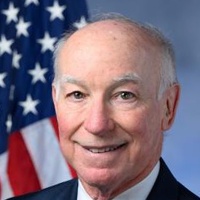
Joe Courtney
Representative
CT
Joe Courtney
Representative
CT
This resolution seeks to exercise congressional disapproval of the Department of Education’s recent rule regarding the William D. Ford Federal Direct Loan Program. If passed, the resolution would nullify the rule, rendering it without force or effect.
The Parental Bereavement Act of 2026 amends the Family and Medical Leave Act to provide employees with job-protected, unpaid leave following the death of a son or daughter.
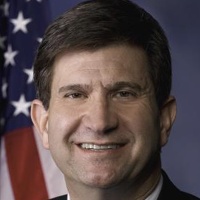
Bradley Schneider
Representative
IL
Bradley Schneider
Representative
IL
The Parental Bereavement Act of 2026 (also known as the Sarah Grace-Farley-Kluger-Barklage Act) amends the Family and Medical Leave Act to provide employees with job-protected, unpaid leave following the death of a son or daughter. This legislation allows eligible employees to take up to 12 weeks of leave within a year of the loss, with the option to substitute accrued paid leave. These protections extend to both private-sector and federal civil service employees.
This bill establishes the Agent Orange Veterans Service Medal to honor and recognize veterans who were exposed to Agent Orange during the Vietnam War.
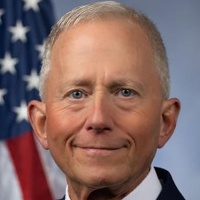
Jefferson Van Drew
Representative
NJ
Jefferson Van Drew
Representative
NJ
The Agent Orange Service Medal Act establishes a commemorative military medal to honor veterans who were exposed to Agent Orange during the Vietnam War. Eligible veterans, or their next-of-kin in the case of deceased veterans, may request the medal through an application process managed by the Department of Defense.
This legislation authorizes federal funding to expand research, improve public awareness, and enhance professional training regarding the diagnosis and treatment of Premenstrual Dysphoric Disorder (PMDD).
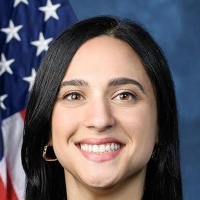
Yassamin Ansari
Representative
AZ
Yassamin Ansari
Representative
AZ
The Premenstrual Dysphoric Disorder (PMDD) Awareness and Research Act of 2026 aims to improve the lives of those affected by PMDD by expanding federal research, data collection, and public awareness initiatives. The bill authorizes funding to enhance healthcare provider training and education, ensuring more accurate diagnosis and effective treatment for this often under-recognized condition.
This bill mandates a comprehensive study by the Department of Health and Human Services to identify and address barriers to accessing effective pain management during gynecologic procedures.
Yassamin Ansari
Representative
AZ
Yassamin Ansari
Representative
AZ
The Gynecologic Pain Management Study Act directs the Secretary of Health and Human Services to conduct a comprehensive study on the barriers patients and providers face regarding pain management during gynecologic procedures. By consulting with diverse stakeholders, the study aims to identify these challenges and provide actionable recommendations to Congress. The final report will help inform future legislative and administrative efforts to improve patient care and accessibility.
This resolution acknowledges the historical and systemic injustices in women’s health care while affirming a federal commitment to bodily autonomy, equitable treatment, and patient-centered medical research.
Yassamin Ansari
Representative
AZ
Yassamin Ansari
Representative
AZ
This resolution acknowledges the historical and systemic injustices, bias, and lack of bodily autonomy that have long marginalized women in the U.S. healthcare system. It affirms the Federal Government’s commitment to dismantling these barriers by prioritizing patient-centered care, increasing research investment, and protecting reproductive rights. Ultimately, the bill seeks to ensure that all women receive dignified, equitable, and informed medical treatment.
The Reproductive Healthcare Leave Act establishes a national requirement for employers to provide employees with paid leave for medical care, procedures, and recovery related to reproductive health.
Yassamin Ansari
Representative
AZ
Yassamin Ansari
Representative
AZ
The Reproductive Healthcare Leave Act establishes a national requirement for employers to provide employees with paid leave for medical needs related to reproductive health, including fertility treatments, miscarriage management, and contraception. The bill mandates that eligible employees receive up to 96 hours of paid leave annually while protecting them from retaliation or interference when exercising these rights. The Department of Labor is tasked with enforcing these provisions, ensuring that employees can access necessary healthcare without jeopardizing their job security or benefits.
The Maternal Vaccination Act establishes a federal awareness and equity campaign to increase vaccination rates among pregnant and postpartum individuals and their children.
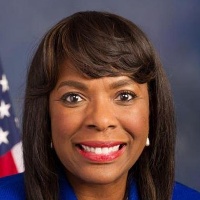
Terri Sewell
Representative
AL
Terri Sewell
Representative
AL
The Maternal Vaccination Act establishes a dedicated awareness and equity campaign to increase vaccination rates among pregnant and postpartum individuals. By providing targeted funding and expanding immunization program grants, the bill ensures that healthcare providers are better equipped to support maternal health, with a specific focus on reaching underserved and minority communities.
This resolution formally recognizes the persistence of the gender wage gap in the United States and reaffirms a commitment to achieving equal pay for equal work.
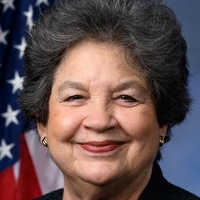
Lois Frankel
Representative
FL
Lois Frankel
Representative
FL
This resolution formally recognizes the persistent gender wage gap in the United States and its significant negative impact on women, families, and the national economy. It highlights the systemic factors contributing to pay disparities across various demographics and occupations. Ultimately, the resolution reaffirms Congress's commitment to achieving equal pay for equal work.
This resolution seeks to overturn the Department of Labor’s rule regarding the Adverse Effect Wage Rate methodology for H-2A nonimmigrant workers.
Zoe Lofgren
Representative
CA
Zoe Lofgren
Representative
CA
This joint resolution exercises congressional authority to overturn the Department of Labor’s rule regarding the Adverse Effect Wage Rate (AEWR) methodology for H-2A nonimmigrant workers. If enacted, the resolution would nullify the rule, ensuring it has no further force or effect.
The Native American Housing Assistance and Self-Determination Modernization Act of 2026 streamlines environmental reviews, reauthorizes critical housing funding, and expands support for tribal homeownership, veteran assistance, and infrastructure development.
Troy Downing
Representative
MT
Troy Downing
Representative
MT
The Native American Housing Assistance and Self-Determination Modernization Act of 2026 streamlines federal housing programs to better support tribal communities. The bill simplifies environmental review processes, expands homeownership and rental assistance opportunities, and reauthorizes critical funding through 2032. Additionally, it enhances tribal authority over housing management, improves access to loan guarantees, and establishes new support programs for homeless or at-risk Native American veterans.