Legislative Activity
Track Adelita's sponsored bills, co-sponsored legislation, and voting record
This bill repeals the federal tax credits for using carbon dioxide in enhanced oil recovery and eliminates the dedicated enhanced oil recovery tax credit.
Ro Khanna
Representative
CA
Ro Khanna
Representative
CA
This bill, the End Polluter Welfare for Enhanced Oil Recovery Act of 2026, eliminates key federal tax credits for using captured carbon dioxide in enhanced oil recovery (EOR) projects. Specifically, it repeals the Section 43 EOR credit and removes the Section 45Q credit for carbon oxide used as a tertiary injectant in EOR. These changes are effective for taxable years beginning after December 31, 2025.
The Kira Johnson Act establishes grant programs and research initiatives to advance maternal health equity, reduce bias and discrimination in maternity care, and improve health outcomes for high-risk demographic groups.
Alma Adams
Representative
NC
Alma Adams
Representative
NC
The Kira Johnson Act aims to eliminate maternal health disparities by funding community-based organizations that provide evidence-based support to high-risk populations. The legislation also establishes grant programs to implement anti-bias training for maternity care providers and creates compliance programs to address racism and discrimination in clinical settings. Through these initiatives, the bill seeks to ensure respectful, culturally congruent care and improve health outcomes for pregnant and postpartum individuals.
The Ultra-Millionaire Tax Act of 2026 establishes an annual federal wealth tax on individuals with a net worth exceeding $50 million while increasing funding for IRS enforcement and taxpayer services.

Pramila Jayapal
Representative
WA
Pramila Jayapal
Representative
WA
The Ultra-Millionaire Tax Act of 2026 proposes a new annual federal wealth tax on individuals with a net worth exceeding $50 million, with rates ranging from 2% to 3% based on total assets. The legislation includes robust enforcement measures, such as increased IRS funding and mandatory audit requirements, to ensure compliance among the ultra-wealthy. Additionally, it strengthens foreign asset disclosure requirements to prevent tax avoidance.
The Data to Save Moms Act directs federal funding and research toward improving maternal health data collection, supporting maternal mortality review committees, and addressing disparities in maternal health outcomes for minority and underserved populations.
Sharice Davids
Representative
KS
Sharice Davids
Representative
KS
The Data to Save Moms Act aims to improve maternal health outcomes and eliminate disparities by enhancing data collection, research, and public awareness. The bill provides funding for Maternal Mortality Review Committees, supports community-based organizations addressing social determinants of health, and mandates training for providers on implicit bias and culturally congruent care. Additionally, it authorizes comprehensive studies and grant programs focused on high-risk populations, including racial and ethnic minority groups and American Indian and Alaska Native communities.
This concurrent resolution affirms the duty of Congress to protect working women by addressing systemic wage disparities, workplace discrimination, and economic barriers to ensure equal opportunity and dignity for all.
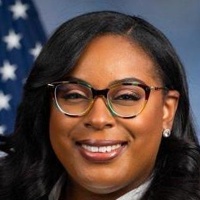
LaMonica McIver
Representative
NJ
LaMonica McIver
Representative
NJ
This concurrent resolution recognizes the economic challenges and systemic barriers facing working women, including wage disparities, discrimination, and the erosion of workplace protections. It affirms Congress's duty to champion policies that ensure equal opportunity, fair pay, and safe working conditions for all women. Ultimately, the resolution calls for collaborative action to strengthen labor rights and promote economic security as essential components of national prosperity.
The Perinatal Workforce Act establishes grant programs and national initiatives to grow, diversify, and train a culturally competent maternal health workforce to improve health equity and patient outcomes.
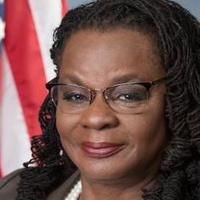
Gwen Moore
Representative
WI
Gwen Moore
Representative
WI
The Perinatal Workforce Act aims to improve maternal health outcomes by expanding and diversifying the perinatal health workforce. The bill establishes grant programs to support training for midwives, nurses, and other perinatal health workers, with a focus on recruiting individuals from underserved and minority communities. Additionally, it mandates national campaigns, federal coordination, and research to promote culturally congruent care and address systemic barriers to maternal health access.
This bill extends WIC eligibility and enhanced food benefits for postpartum and breastfeeding mothers from one year to 24 months.
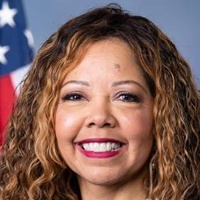
Lucy McBath
Representative
GA
Lucy McBath
Representative
GA
The Extending WIC for New Moms Act increases the duration of WIC eligibility for postpartum mothers from six months to 24 months. It also extends the period for receiving enhanced breastfeeding food packages to 24 months. Additionally, the bill mandates a comprehensive report to Congress evaluating the impact of these extensions on maternal and infant health outcomes.
This bill mandates federal serialization for 3D-printed and unserialized firearms, classifies assembly kits as firearms, and provides tax credits to licensed dealers to offset compliance costs.
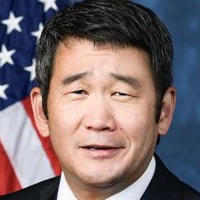
Dave Min
Representative
CA
Dave Min
Representative
CA
The Unserialized Firearm Harm Oversight and Serialization Act of 2026 classifies firearm assembly kits as firearms and mandates the serialization of 3D-printed and other non-traditionally manufactured firearms. The bill requires licensed dealers to serialize any unserialized firearms they take into inventory while establishing a federal tax credit to help offset the associated compliance costs. These measures aim to improve firearm tracking and oversight without overriding existing state laws.
The Forever Chemical Regulation and Accountability Act of 2026 establishes a comprehensive framework to phase out nonessential PFAS, mandate corporate transparency, and strengthen legal protections for communities impacted by toxic chemical exposure.
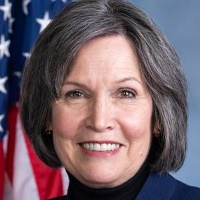
Betty McCollum
Representative
MN
Betty McCollum
Representative
MN
The Forever Chemical Regulation and Accountability Act of 2026 establishes a comprehensive framework to phase out nonessential PFAS ("forever chemicals") from consumer products and industrial processes within a decade. The legislation mandates strict reporting and environmental release standards, while enhancing public health protections through new research initiatives and expanded legal avenues for communities to seek accountability.
The Social Determinants for Moms Act establishes federal grant programs and a dedicated task force to improve maternal health outcomes by addressing the nonclinical social factors that impact pregnant and postpartum individuals.
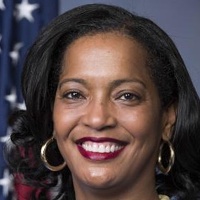
Jahana Hayes
Representative
CT
Jahana Hayes
Representative
CT
The Social Determinants for Moms Act aims to reduce maternal mortality and health disparities by addressing the nonclinical factors that impact pregnancy and postpartum outcomes. The bill establishes federal grant programs to provide essential services—such as housing, nutrition, transportation, and childcare—to pregnant and postpartum individuals. Additionally, it creates a federal task force to coordinate cross-agency strategies to improve maternal health and support community-led initiatives across the country.
The Momnibus Act is a comprehensive legislative package designed to improve maternal health outcomes and reduce racial disparities by addressing social determinants, expanding nutritional and mental health support, diversifying the perinatal workforce, and investing in data-driven, community-based care.

Lauren Underwood
Representative
IL
Lauren Underwood
Representative
IL
The Momnibus Act is a comprehensive legislative package designed to end preventable maternal mortality and close racial and ethnic disparities in maternal health outcomes. By addressing social determinants of health, expanding nutritional and mental health support, and investing in a diverse, culturally competent workforce, the bill provides a holistic framework for improving care. Through targeted federal grants, enhanced data collection, and innovative technology, the Act aims to ensure that all pregnant and postpartum individuals receive the equitable, high-quality care they deserve.
The Energy Bills Relief Act aims to lower energy costs for families by reversing clean energy rollbacks, expanding assistance programs, streamlining grid upgrades, and increasing transparency in utility regulation.

Sean Casten
Representative
IL
Sean Casten
Representative
IL
The Energy Bills Relief Act is a comprehensive bill designed to lower energy costs for American families, accelerate the deployment of low-cost, clean energy, and modernize the nation's electricity grid. It achieves this by reversing harmful policies against renewables, expanding energy assistance programs, streamlining grid connection processes, and increasing transparency in utility regulation. Ultimately, the legislation aims to create a more reliable, affordable, and cleaner energy system while ensuring communities have a stronger voice in energy development.
This bill imposes a 50% excise tax on the windfall profits of major oil companies when oil prices exceed 2025 averages, with revenues funding quarterly, income-limited gasoline price rebates for eligible individuals.
Ro Khanna
Representative
CA
Ro Khanna
Representative
CA
This bill imposes a 50% excise tax on the windfall profits of major oil companies when crude oil prices exceed a 2025 average benchmark. Revenue generated funds a new trust, which is then used to provide quarterly, refundable gasoline price rebates to eligible individuals. The rebate amount is subject to income phase-outs and requires a valid Social Security number for full credit.
The Take Back Our Hospitals Act of 2026 prohibits Medicare payments to hospitals and skilled nursing facilities owned or controlled by private equity funds or real estate investment trusts.
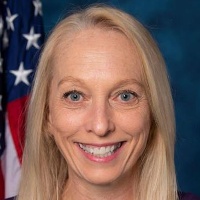
Mary Scanlon
Representative
PA
Mary Scanlon
Representative
PA
The Take Back Our Hospitals Act of 2026 prohibits Medicare payments to hospitals and skilled nursing facilities owned or controlled by private equity funds or real estate investment trusts. This legislation aims to reduce the influence of investment firms in healthcare by mandating divestiture or loss of federal funding. Existing facilities are granted a three-year transition period to comply with these new ownership restrictions.
This bill amends the Fair Labor Standards Act to extend minimum wage and overtime protections to home care workers by removing certain exemptions for casual babysitting and caregiving services.

Alexandria Ocasio-Cortez
Representative
NY
Alexandria Ocasio-Cortez
Representative
NY
The Fair Wages for Home Care Workers Act amends the Fair Labor Standards Act to ensure essential wage and overtime protections for caregivers. By updating definitions and removing outdated exemptions, the bill guarantees that home care workers receive the fair compensation and labor standards they deserve.
The Infant Formula Safety Modernization Act of 2026 mandates stricter manufacturing testing, rapid pathogen reporting, and enhanced Congressional oversight to ensure the safety of infant formula.

Rosa DeLauro
Representative
CT
Rosa DeLauro
Representative
CT
The Infant Formula Safety Modernization Act of 2026 strengthens federal oversight by mandating rigorous pathogen testing, stricter manufacturing facility standards, and rapid reporting of contamination. The bill requires manufacturers to promptly notify the FDA of positive test results and ensures that Congress is kept informed of critical safety and inspection issues. These measures aim to enhance the safety and quality of infant formula products for all consumers.
This Act amends the Fair Housing Act to establish survivors of domestic violence, sexual assault, or severe forms of trafficking as a protected class, prohibiting housing discrimination against them.
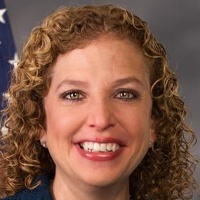
Debbie Wasserman Schultz
Representative
FL
Debbie Wasserman Schultz
Representative
FL
The Fair Housing for Survivors Act of 2026 amends the Fair Housing Act to establish survivors of domestic violence, sexual assault, or severe forms of trafficking as a protected class. This makes it illegal to discriminate against these individuals in housing transactions, including rentals, sales, and financing. The bill aims to ensure survivors can secure and maintain safe housing free from further victimization.
The Medicines for the People Act establishes a new National Institute for Biomedical Research and Development to create and manufacture affordable, publicly accessible medical products.
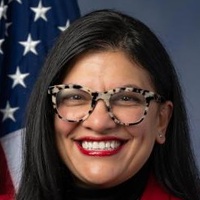
Rashida Tlaib
Representative
MI
Rashida Tlaib
Representative
MI
The Medicines for the People Act establishes a new National Institute for Biomedical Research and Development within the NIH to lead the full-cycle development of drugs, devices, and biological products. By prioritizing public health needs and maintaining federal ownership of resulting patents, the Institute aims to ensure that new medical innovations are transparently developed and sold to the public at equitable, accessible prices.
This bill establishes a federal tax credit covering 40% of the cost of purchasing zero-emission electric lawn and landscaping equipment.

J. Correa
Representative
CA
J. Correa
Representative
CA
The Promoting Reduction of Emissions through Landscaping Equipment Act establishes a federal tax credit covering 40% of the cost of purchasing zero-emission electric landscaping equipment and related charging infrastructure. Designed to incentivize sustainable practices, the credit is available for equipment placed in service between 2025 and 2030, with options for direct payment or transferability.
The Data Center Community Impact Act establishes a federal grant fund to support infrastructure and community development in areas affected by data centers while mandating a comprehensive study on their environmental and socioeconomic impacts.
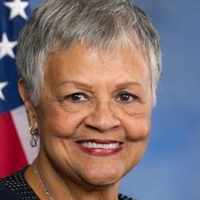
Bonnie Watson Coleman
Representative
NJ
Bonnie Watson Coleman
Representative
NJ
The Data Center Community Impact Act establishes a federal fund to provide grants to state, local, and tribal governments for infrastructure, housing, and environmental projects in communities affected by data center operations. The bill prioritizes support for low-income communities and communities of color, which are often disproportionately impacted by the energy and water demands of these facilities. Additionally, the Act mandates a comprehensive federal study to assess the long-term environmental, economic, and public health effects of data centers on these vulnerable populations.