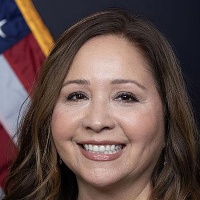
Legislative Activity
Track Adelita's sponsored bills, co-sponsored legislation, and voting record
This bill prohibits using federal funds for specific settlement payments, particularly those related to the *Trump, et al. v. IRS, et al.* case, and restricts certain compromise settlements from the Judgment Fund to high-ranking officials and specific types of claims.
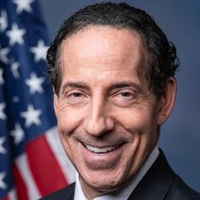
Jamie Raskin
Representative
MD
Jamie Raskin
Representative
MD
This Act prohibits the use of federal funds for specific settlement payments, including those related to the *Trump, et al. v. IRS, et al.* case. It places new restrictions on the Judgment Fund, barring payments to high-ranking officials, their relatives, and certain entities for specific types of claims. The bill also establishes strict reporting and notification requirements for large government compromise settlements.
This Act establishes a pilot program to award grants to school food authorities to promote the preparation of school meals using unprocessed or minimally processed ingredients.
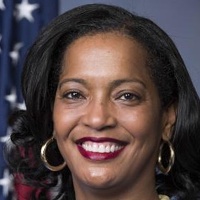
Jahana Hayes
Representative
CT
Jahana Hayes
Representative
CT
The Scratch Cooked Meals for Students Act establishes a pilot program to award competitive grants to school food authorities promoting the preparation of meals using unprocessed or minimally processed ingredients. These grants will fund training, equipment upgrades, and other necessary support for increasing scratch cooking in school meal programs. Priority will be given to authorities serving high-need student populations that commit to self-operation and workforce agreements.
This bill nullifies a specific Endangered Species Committee decision regarding Gulf of America Oil and Gas Activities while maintaining pre-existing Endangered Species Act requirements and imposing a three-year ban on new exemptions for those activities.
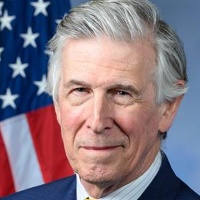
Donald Beyer
Representative
VA
Donald Beyer
Representative
VA
This bill nullifies a specific decision and order from the Endangered Species Committee regarding certain oil and gas activities. It also imposes a three-year ban on the Committee issuing new exemptions for these activities under the Endangered Species Act. Importantly, all pre-existing Endangered Species Act requirements remain fully in effect for these activities.
This Act establishes comprehensive federal loan forgiveness and payment support for educators serving in high-need schools and early childhood education programs.
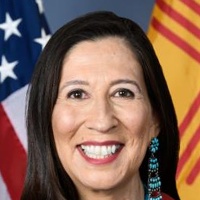
Teresa Leger Fernandez
Representative
NM
Teresa Leger Fernandez
Representative
NM
The Loan Forgiveness for Educators Act of 2026 establishes new federal loan forgiveness programs for teachers, school leaders, and early childhood educators serving in high-need schools or programs. Educators can achieve full loan forgiveness after five years of qualifying service, or receive monthly payment support during that time. The bill mandates the Secretary of Education to launch these programs within 270 days of enactment. It also includes specific provisions for Parent PLUS loan borrowers and ensures flexibility for educators whose school status changes.
This bill disapproves the CMS rule implementing prior authorization for select Medicare services under the WISeR Model.
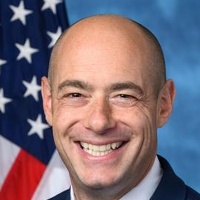
Greg Landsman
Representative
OH
Greg Landsman
Representative
OH
This bill expresses the disapproval of Congress for a new Centers for Medicare & Medicaid Services (CMS) rule requiring prior authorization for certain Medicare services under the WISeR Model. By disapproving the rule, Congress prevents its implementation. This action effectively blocks the proposed prior authorization requirement for select services.
This bill establishes a demonstration project for states to test alternative payment models in Medicaid and CHIP to improve maternal health outcomes for pregnant and postpartum individuals.

Janice Schakowsky
Representative
IL
Janice Schakowsky
Representative
IL
The IMPACT to Save Moms Act establishes a demonstration project for states to test alternative payment models for maternity care within Medicaid and CHIP programs. This project aims to improve maternal health outcomes, particularly for high-risk groups, by considering factors like risk stratification and social determinants of health. The Secretary of HHS must evaluate the project's impact and report recommendations to Congress on potential national expansion.
This Act funds data collection, research, public communication, and task force recommendations to improve maternal health outcomes during public health emergencies.
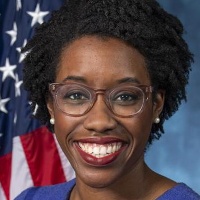
Lauren Underwood
Representative
IL
Lauren Underwood
Representative
IL
The Maternal Health Pandemic Response Act aims to improve maternal and infant health outcomes during public health emergencies. It authorizes significant funding for enhanced data collection, surveillance, and research across various CDC programs. Furthermore, the bill mandates public data disclosure, requires public health communication campaigns, and establishes a task force to develop federal recommendations for ensuring safe, respectful, and equitable maternity care during crises.
The Moms Matter Act establishes grant programs to improve maternal mental health equity and expand the diverse workforce providing maternal mental and behavioral health care.
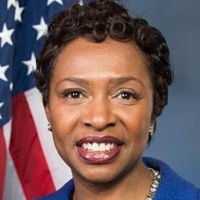
Yvette Clarke
Representative
NY
Yvette Clarke
Representative
NY
The Moms Matter Act establishes two grant programs to improve maternal mental health. The first program funds initiatives to expand mental health and substance use disorder services for pregnant and postpartum individuals, prioritizing high-risk populations. The second program provides grants to grow and diversify the workforce of mental and behavioral health providers specializing in maternal health.
The **Protecting Our Democracy Act** imposes sweeping restrictions on presidential power, enhances congressional oversight, strengthens ethics and anti-corruption laws, and bolsters accountability for federal officials.
Jamie Raskin
Representative
MD
Jamie Raskin
Representative
MD
The **Protecting Our Democracy Act** imposes sweeping reforms across the executive branch to strengthen accountability and restore checks and balances. It restricts presidential pardon power, closes loopholes to ensure no President is above the law, and enforces constitutional emoluments clauses to prevent self-enrichment. Furthermore, the Act enhances congressional oversight by strengthening subpoena enforcement, increasing transparency around White House visitors and tax returns, and protecting federal whistleblowers from retaliation.
The Lainie Jones Comprehensive Cancer Survivorship Act of 2026 establishes a framework for improving cancer survivorship care through enhanced planning, payment models, employment assistance, grant programs, and expanded Medicaid coverage for transitions and fertility services.
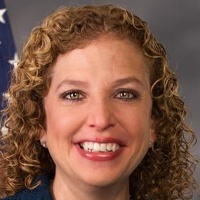
Debbie Wasserman Schultz
Representative
FL
Debbie Wasserman Schultz
Representative
FL
The Lainie Jones Comprehensive Cancer Survivorship Act of 2026 aims to improve the full spectrum of care for cancer survivors, from diagnosis through the remainder of life. The bill establishes an Office of Cancer Survivorship, mandates Medicare coverage for care planning, and creates programs to support employment and comprehensive survivorship services. It also requires Medicaid to cover essential transition services for childhood cancer survivors and mandates fertility preservation coverage for all cancer patients.
This resolution calls for a fundamental shift in U.S. trade policy to prioritize the interests of workers, farmers, small businesses, and the environment over corporate gains.

Rosa DeLauro
Representative
CT
Rosa DeLauro
Representative
CT
This resolution calls for a fundamental shift in U.S. trade policy to prioritize American workers, family farmers, and domestic production over corporate interests. It asserts that decades of corporate-centered trade have harmed communities and calls for a new framework built on strong labor, environmental, and domestic manufacturing standards. The bill demands that future trade policy actively support fair wages, strengthen "Buy America" requirements, and penalize offshoring.
The IGNITE HBCU Excellence Act authorizes competitive grants to Historically Black Colleges and Universities (HBCUs) for long-term facility improvements, technology upgrades, and infrastructure modernization, while also providing for the forgiveness of certain outstanding HBCU capital financing loans.

J. Hill
Representative
AR
J. Hill
Representative
AR
The IGNITE HBCU Excellence Act authorizes competitive grants to Historically Black Colleges and Universities (HBCUs) and similar institutions for long-term facility improvements, technology upgrades, and infrastructure modernization. Priority for these grants will be given to institutions demonstrating the greatest need, limited fundraising ability, and high percentages of Pell Grant recipients. The bill also mandates immediate forgiveness for certain outstanding balances on existing HBCU Capital Financing Program loans. Finally, it requires comprehensive reporting and studies to assess the program's impact and future funding needs.
This resolution recognizes the 75th anniversary of the American College of Obstetricians and Gynecologists and honors its vital role in advancing women's health through clinical excellence, education, advocacy, and research.
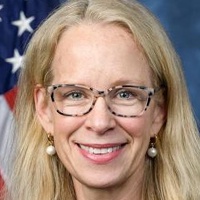
Kelly Morrison
Representative
MN
Kelly Morrison
Representative
MN
This resolution celebrates the 75th anniversary of the American College of Obstetricians and Gynecologists (ACOG). It recognizes ACOG's critical role in advancing women's health through excellence in clinical practice, education, advocacy, and research. The bill honors ACOG's dedication to improving maternal health and supporting obstetrician-gynecologists nationwide.
This Act prohibits private equity funds engaged in harmful practices, termed "vulture investors," from investing in or exploiting youth sports entities.

Chris Deluzio
Representative
PA
Chris Deluzio
Representative
PA
The Let Kids Play Act prohibits "vulture investors"—private equity firms with harmful track records—from investing in youth sports entities. It bans covered firms from using specific predatory business tactics, such as imposing junk fees or restricting competition, when involved in youth sports. The bill mandates that designated vulture investors must fully divest from these entities within two years. Enforcement is granted to the FTC and the Department of Justice, and the Act also allows private lawsuits for damages.
This act establishes universal free breakfast and lunch programs in schools, eliminates meal debt, and updates poverty metrics across various federal education and nutrition programs.

Ilhan Omar
Representative
MN
Ilhan Omar
Representative
MN
The Universal School Meals Program Act of 2026 establishes permanent, universal free breakfast and lunch programs for all enrolled students at participating schools, eliminating income tests and meal debt collection. The bill significantly updates federal funding mechanisms by replacing reliance on free and reduced-price lunch data with new measures for identifying economically disadvantaged students across various education and social programs. Furthermore, it expands access to summer and afterschool meals while making technical amendments across several federal education and nutrition laws.
The TREE Act prohibits the import and sale of deforestation goods in U.S. commerce starting in 2029, requiring due diligence statements and imposing civil penalties based on country risk categorization.

Lloyd Doggett
Representative
TX
Lloyd Doggett
Representative
TX
The Trade Responsibly for Environmental Emissions (TREE) Act prohibits the import and sale of "deforestation goods"—commodities linked to deforestation or forest degradation after December 31, 2020—starting in 2029. Importers must submit detailed due diligence statements to Customs and Border Protection, with violations resulting in significant civil penalties, including fines up to 4% of U.S. revenue and potential import bans. The bill also mandates a risk-based country categorization system to guide increased border inspections.
This bill limits drug costs for TRICARE beneficiaries and veterans to Medicare Part D negotiated prices and caps federal procurement prices for drugs covered under the Medicare Drug Price Negotiation Program.
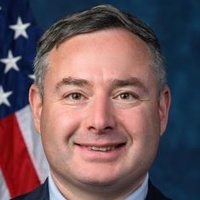
Eugene Vindman
Representative
VA
Eugene Vindman
Representative
VA
The MISSION Rx Act aims to lower prescription drug costs for servicemembers, veterans, and federal procurement programs. It caps the cost-sharing amounts paid by TRICARE beneficiaries and veterans for certain drugs at the level paid by Medicare Part D beneficiaries. Furthermore, the bill limits the price federal agencies pay for these same negotiated drugs under existing procurement agreements.
This act prohibits the use of federal funds for military action in or against Iran through 2026 unless Congress formally declares war or authorizes such force.
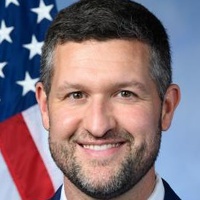
Patrick Ryan
Representative
NY
Patrick Ryan
Representative
NY
The No Funds for Iran War Act prohibits the use of federal funds for military action in or against Iran through the end of 2026. This ban remains in effect unless Congress formally declares war or passes a specific authorization for military force. Exceptions are made only for actions consistent with the War Powers Resolution or necessary self-defense against an imminent attack.
This resolution recognizes National Postpartum Awareness Week for Communities of Color to highlight and address the disproportionate maternal health crisis and disparities faced by women of color during the postpartum period.
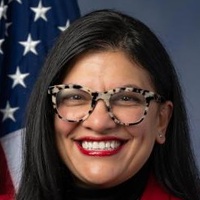
Rashida Tlaib
Representative
MI
Rashida Tlaib
Representative
MI
This resolution officially recognizes the week of May 3-9, 2026, as "National Postpartum Awareness Week for Communities of Color." It highlights the disproportionate maternal health crisis faced by communities of color and the critical need for respectful, culturally competent postpartum care. The bill supports efforts to eliminate racial disparities in maternal health outcomes by improving access to necessary resources and mental health services.
This resolution commends U.S. public servants for their dedication to defending the Constitution, delivering essential services, and supporting the economy, particularly during Public Service Recognition Week.
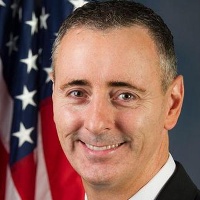
Brian Fitzpatrick
Representative
PA
Brian Fitzpatrick
Representative
PA
This resolution expresses the sense of the House of Representatives commending public servants for their dedication to defending the Constitution and delivering essential services to the American people. It specifically designates the week of May 3 through May 9, 2026, as Public Service Recognition Week. The bill honors the millions of federal, state, and local employees and uniformed service members who support the economy and democratic foundations of the nation.