Legislative Activity
Track Adelita's sponsored bills, co-sponsored legislation, and voting record
This act restricts senior government officials and their families from owning or trading specific investments, requiring divestment of existing holdings to restore public trust.
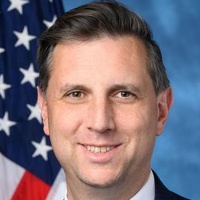
Seth Magaziner
Representative
RI
Seth Magaziner
Representative
RI
The Restore Trust in Government Act establishes strict new federal restrictions on senior government officials and their immediate families regarding the ownership and trading of specific financial investments. Covered individuals must divest existing investments that fall under the law's definition within a set timeframe, with limited exceptions. Violators face significant financial penalties, including a 10% fee on the investment value and disgorgement of any profits earned from prohibited transactions.
The Essential Caregivers Act of 2025 guarantees nursing home and long-term care residents the right to designate an essential caregiver who maintains access to them even during public health emergencies.
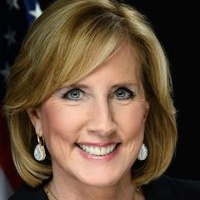
Claudia Tenney
Representative
NY
Claudia Tenney
Representative
NY
The Essential Caregivers Act of 2025 protects the rights of residents in long-term care facilities to designate an essential caregiver who can provide support and companionship. This legislation ensures that these caregivers maintain in-person access to residents even during public health emergencies when general visitation is restricted. By establishing clear protocols and an appeals process, the bill aims to prevent the harmful effects of isolation and ensure residents continue to receive vital care and advocacy.
This Act establishes a grant program to fund state, local, and Tribal governments for the complete destruction of firearms.
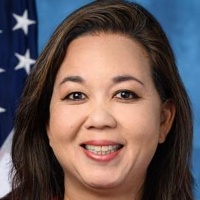
Jill Tokuda
Representative
HI
Jill Tokuda
Representative
HI
The Restoring Trust in Public Safety Act establishes a grant program to fund the complete destruction of firearms by state, local, and Tribal governments. Eligible entities can apply for competitive grants to cover costs associated with destruction equipment, services, and training. Grantees must certify that all firearms and components are fully destroyed and maintain detailed records of the process.
The EFFECTIVE Food Procurement Act mandates that the USDA prioritize purchasing food that supports regional economies, worker well-being, environmental sustainability, and equity for specific producers.
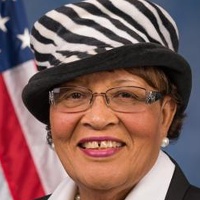
Alma Adams
Representative
NC
Alma Adams
Representative
NC
The EFFECTIVE Food Procurement Act directs the USDA to reform its food purchasing practices to support a more just, healthy, and sustainable food system. This is achieved by mandating the purchase of foods that prioritize equity, resilient supply chains, worker well-being, and climate mitigation. The bill also establishes reporting requirements, a set-aside for specific producers, and pilot programs to help smaller and targeted producers participate in USDA contracts.
This act nullifies a recent Executive Order regarding federal labor relations and ensures existing collective bargaining agreements remain in effect.

Jared Golden
Representative
ME
Jared Golden
Representative
ME
The Protect America's Workforce Act nullifies a specific Executive Order issued in March 2025 concerning exclusions from federal labor-management relations programs. This legislation ensures that any existing collective bargaining agreements between federal agencies and employee unions remain fully in effect until their stated expiration dates. The Act also prohibits the use of federal funds to implement the overturned Executive Order.
This act restores access to professional degrees by amending the Higher Education Act to remove specific annual and aggregate loan limits for graduate and professional students.

Ritchie Torres
Representative
NY
Ritchie Torres
Representative
NY
The Professional Degree Access Restoration Act amends the Higher Education Act to eliminate specific annual and aggregate loan limits for Federal Direct PLUS Loans made to graduate and professional students. This action removes previous restrictions on the maximum amount graduate students can borrow through these federal loan programs.
The Keeping All Students Safe Act strictly prohibits dangerous restraint and seclusion in federally funded schools while mandating comprehensive state reporting, staff training, and parental notification for any permissible physical restraint.
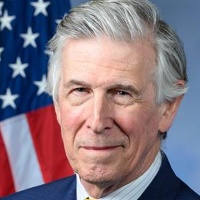
Donald Beyer
Representative
VA
Donald Beyer
Representative
VA
The Keeping All Students Safe Act strictly prohibits dangerous restraint and seclusion practices in federally funded schools, establishing national safety standards and requiring immediate parental notification after any restraint incident. It mandates that states create detailed plans, publicly report incident data broken down by student demographics, and utilize federal grants to fund training and prevention strategies. The bill creates a private right of action for families harmed by violations and ensures oversight across various federal school systems.
This Act establishes transparency requirements, accountability measures, and specific worker protections for individuals working through digital labor platforms.

Pramila Jayapal
Representative
WA
Pramila Jayapal
Representative
WA
The Empowering App-Based Workers Act aims to increase transparency and accountability for digital labor platforms that use electronic monitoring and automated systems to manage workers. This bill mandates detailed disclosures regarding data collection, algorithmic decision-making for pay and assignments, and itemized receipts after each job. Furthermore, it establishes strong enforcement mechanisms, including a 25% cap on "take rates" for ride-hail services and prohibits certain pre-dispute arbitration agreements.
This act increases the annual and aggregate loan limits for Federal Direct Unsubsidized Stafford Loans for graduate and professional students, effective July 1, 2026.
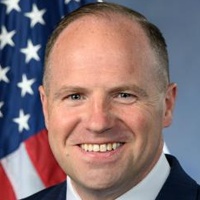
Timothy Kennedy
Representative
NY
Timothy Kennedy
Representative
NY
The Loan Equity for Advanced Professionals Act raises the federal student loan limits for graduate and professional students. Effective July 1, 2026, the annual borrowing limit for Federal Direct Unsubsidized Stafford Loans will increase to \$50,000, and the aggregate limit will rise to \$200,000. This aims to provide greater financial support for advanced degree candidates.
This resolution commends state and local governments for championing reproductive rights as human rights while condemning abortion restrictions and criminalization following the *Dobbs* decision.
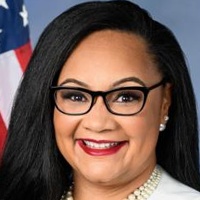
Nikema Williams
Representative
GA
Nikema Williams
Representative
GA
This concurrent resolution commends state and local governments for championing reproductive rights as human rights following the overturning of *Roe v. Wade*. It declares that denying abortion care leads to severe health risks and highlights the criminalization of pregnancy outcomes across the U.S. The resolution urges states to repeal abortion restrictions and affirm that reproductive rights are fundamental human rights.
This bill establishes a national public awareness campaign to boost HPV vaccination rates and increases funding for breast and cervical cancer early detection programs.

Kathy Castor
Representative
FL
Kathy Castor
Representative
FL
The PREVENT HPV Cancers Act of 2025 aims to combat the significant health threat posed by human papillomavirus (HPV) and related cancers. This legislation establishes a national public awareness campaign, managed by the CDC, to increase HPV vaccination rates and combat misinformation. Additionally, it increases funding for the National Breast and Cervical Cancer Early Detection Program to improve screening access. The overall goal is to leverage vaccination and early detection to reduce the incidence of HPV-associated cancers.
The Reuniting Families Act overhauls the immigration system to drastically reduce visa backlogs, recognize permanent partnerships, expand diversity visas, and expedite the reunification of refugee families.
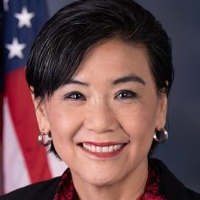
Judy Chu
Representative
CA
Judy Chu
Representative
CA
The Reuniting Families Act is comprehensive legislation designed to significantly reform U.S. immigration by reducing massive visa backlogs and prioritizing family reunification across various categories. It achieves this by recapturing unused visas, reclassifying certain family members as "immediate relatives," and creating new pathways for permanent partners and refugees to join their loved ones. Ultimately, the bill aims to keep families together, speed up legal immigration processes, and address past discrimination in the visa system.
The No Robot Bosses Act regulates the use of automated decision systems in employment by requiring impact assessments, transparency notices, and a right to human review for covered individuals.
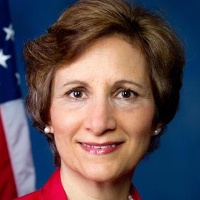
Suzanne Bonamici
Representative
OR
Suzanne Bonamici
Representative
OR
The No Robot Bosses Act regulates the use of automated decision systems (ADS) in employment-related decisions, requiring employers to conduct impact assessments and provide notice and human review rights to covered individuals. The bill establishes the Technology and Worker Protection Division within the Department of Labor to oversee enforcement, which includes creating a private right of action for violations. Furthermore, it prohibits employers from making final employment decisions solely based on an ADS output unless rigorous testing, validation, and human corroboration occur.
This bill mandates that the Federal Energy Regulatory Commission (FERC) apply new environmental and environmental justice standards, including quantifying greenhouse gas emissions, when approving natural gas pipeline projects.

Sean Casten
Representative
IL
Sean Casten
Representative
IL
This act amends the Natural Gas Act to require the Federal Energy Regulatory Commission (FERC) to apply new environmental and environmental justice standards when approving natural gas pipeline projects. FERC must now quantify greenhouse gas emissions and specifically evaluate impacts on environmental justice communities before determining if a project serves the "public convenience and necessity." The bill mandates that FERC weigh significant environmental effects against project benefits and require mitigation for adverse impacts.
This act establishes a competitive grant program to fund local educational agencies in preparing girls and underrepresented minorities for success in science, technology, engineering, and mathematics (STEM) fields.
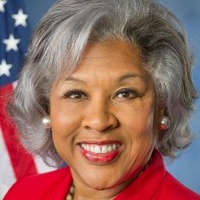
Joyce Beatty
Representative
OH
Joyce Beatty
Representative
OH
This Act establishes a competitive grant program to prepare girls and underrepresented minorities for careers in Science, Technology, Engineering, and Mathematics (STEM) fields. Qualified local educational agencies serving high-need student populations are eligible to apply for four-year grants of $250,000 annually. Funds must support comprehensive K-12 STEM education activities, including tutoring, mentoring, professional development, and career exposure. Grantees must submit annual evaluations detailing student progress and program effectiveness.
The Dignity for Detained Immigrants Act establishes comprehensive standards, rigorous oversight, and new custody procedures to ensure humane treatment and due process for all noncitizens detained by the Department of Homeland Security, while phasing out for-profit detention facilities.
Pramila Jayapal
Representative
WA
Pramila Jayapal
Representative
WA
The Dignity for Detained Immigrants Act aims to overhaul immigration detention by establishing mandatory, high standards based on ABA guidelines and increasing transparency through rigorous, unannounced inspections. The bill prohibits the use of private, for-profit detention facilities within three years and ends the mandatory detention of most noncitizens, prioritizing release or community-based alternatives. Furthermore, it establishes new due process rights, including timely custody hearings, a presumption of release, and prohibitions on detaining children or using solitary confinement.
This bill prohibits the use of AI-driven prior authorization models, like the WISeR Model, for services covered under traditional Medicare Parts A and B.
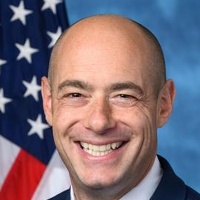
Greg Landsman
Representative
OH
Greg Landsman
Representative
OH
This Act, the "Ban AI Denials in Medicare Act," prohibits the Secretary of Health and Human Services from implementing the WISeR Model or any substantially similar model that uses prior authorization under traditional Medicare. Furthermore, it amends the authority of the Center for Medicare and Medicaid Innovation to prevent the testing of any new model that requires prior authorization for services covered under Medicare Part A or Part B.
The Artificial Intelligence Civil Rights Act of 2025 establishes comprehensive federal rules to prevent algorithmic discrimination, mandate independent safety audits for high-risk AI systems, and grant individuals new rights to transparency and legal recourse against biased automated decisions.
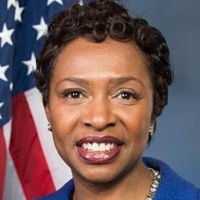
Yvette Clarke
Representative
NY
Yvette Clarke
Representative
NY
The Artificial Intelligence Civil Rights Act of 2025 establishes comprehensive federal rules to prevent discrimination caused by automated decision-making systems in critical areas like employment, housing, and credit. It mandates independent safety checks, public reporting for high-risk findings, and clear contractual standards between algorithm creators and users. The law empowers the Federal Trade Commission (FTC) and grants individuals a private right of action to enforce these new civil rights protections against algorithmic bias.
This bill mandates that state Medicaid programs must cover lung cancer biomarker testing starting January 1, 2027.
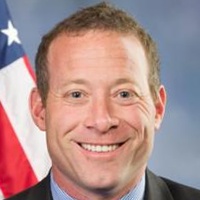
Josh Gottheimer
Representative
NJ
Josh Gottheimer
Representative
NJ
This bill mandates that state Medicaid programs must cover lung cancer biomarker testing for beneficiaries starting January 1, 2027. It amends the Social Security Act to establish this testing as a required benefit under Medicaid. The goal is to improve precision in cancer care through mandated diagnostic coverage.
This bill mandates Medicare coverage for lung cancer biomarker testing starting January 1, 2027, paying 100% of reasonable charges.
Josh Gottheimer
Representative
NJ
Josh Gottheimer
Representative
NJ
This bill, the Lung Cancer Medicare Access to Precise Testing Act, mandates that Medicare begin covering lung cancer biomarker testing for diagnosed individuals starting January 1, 2027. The legislation ensures Medicare will pay 100 percent of the reasonable charges for these tests, which analyze tissue or bodily fluids to identify specific biomarkers.