Legislative Activity
Track Adelita's sponsored bills, co-sponsored legislation, and voting record
The Hands Off Our Great Lakes Act prohibits the federal government from renaming any of the five Great Lakes and nullifies Executive Order 14422.
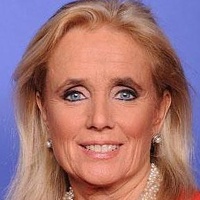
Debbie Dingell
Representative
MI
Debbie Dingell
Representative
MI
The "Hands Off Our Great Lakes Act" prohibits the federal government from altering or renaming any of the five Great Lakes. Additionally, the bill formally nullifies Executive Order 14422, which sought to rename Lake Ontario, and prevents the use of federal funds to implement any similar renaming initiatives in the future.
This resolution recognizes the history, cultural identity, and significant contributions of the Chicano and Chicana community while supporting the designation of August as Chicano/Chicana Heritage Month.
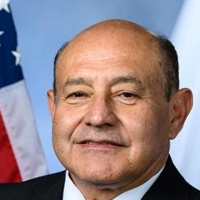
J. Correa
Representative
CA
J. Correa
Representative
CA
This resolution recognizes the history, cultural identity, and significant contributions of the Chicano and Chicana community to the United States. It designates August as "Chicano/Chicana Heritage Month" to celebrate the community's profound impact on science, labor, education, and the arts. Furthermore, the bill highlights the ongoing struggle for civil rights and encourages nationwide observance to honor the Mexican-American experience.
The Protect American Values Act prohibits the use of federal funds to implement or enforce the Department of Homeland Security’s "Public Charge Ground of Inadmissibility" rule.
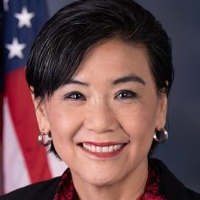
Judy Chu
Representative
CA
Judy Chu
Representative
CA
The Protect American Values Act seeks to block the implementation and enforcement of the Department of Homeland Security’s "Public Charge Ground of Inadmissibility" rule. The bill asserts that this policy harms immigrant families and local economies by restricting access to essential food, housing, and medical care. Consequently, it prohibits the use of federal funds to carry out or administer the rule.
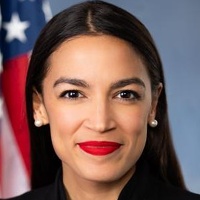
The Green New Deal for Public Housing Act provides federal grants to modernize, decarbonize, and expand public housing while creating workforce development opportunities and strengthening resident participation.
Alexandria Ocasio-Cortez
Representative
NY
Alexandria Ocasio-Cortez
Representative
NY
The Green New Deal for Public Housing Act aims to modernize the nation’s public housing stock by investing in deep energy retrofits, sustainability upgrades, and climate resilience. The bill establishes grant programs to transition public housing to zero-carbon, energy-efficient homes while simultaneously fostering economic empowerment through workforce development and resident-led management. By repealing restrictive caps on housing units and prioritizing tenant participation, the legislation seeks to improve living standards, ensure long-term habitability, and expand the availability of safe, affordable housing.
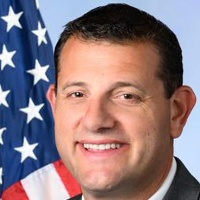
This resolution designates the first week of August as "National Community Health Center Week" to honor the vital role community health centers play in providing comprehensive primary care to millions of Americans.
David Valadao
Representative
CA
David Valadao
Representative
CA
This resolution designates the first week of August as "National Community Health Center Week" to honor the vital role these centers play in providing comprehensive primary care to millions of Americans. It celebrates the 60-year legacy of community health centers in improving public health outcomes, supporting local economies, and expanding access to essential services. The bill encourages all Americans to visit their local centers and recognize the dedicated staff and partners who make this care possible.
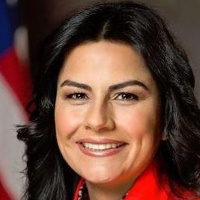
The Compassionate Care Act promotes informed end-of-life decision-making by expanding public education, enhancing provider training, and increasing access to advance care planning through permanent telehealth options and improved electronic health record integration.
Nanette Barragán
Representative
CA
Nanette Barragán
Representative
CA
The Compassionate Care Act aims to improve end-of-life care by increasing public awareness and provider training regarding advance care planning. The legislation expands access to these services through permanent telehealth options and mandates federal research to create a more portable, consistent, and effective national framework for advance directives.
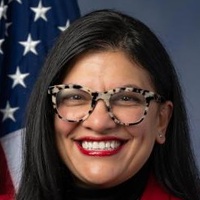
The "No TSA Data for ICE Act" prohibits the Department of Homeland Security from sharing TSA passenger data with immigration enforcement agencies and protects Trusted Traveler program participants from retaliation for exercising their First Amendment rights.
Rashida Tlaib
Representative
MI
Rashida Tlaib
Representative
MI
The "No TSA Data for ICE Act" prohibits the Department of Homeland Security from sharing sensitive passenger data from the TSA or private brokers with immigration enforcement agencies. Additionally, the bill protects participants in Trusted Traveler programs by preventing the government from suspending or denying enrollment based on an individual's participation in First Amendment-protected activities.
This Act directs the Department of Commerce to conduct and publish annual surveys regarding the energy and water consumption of data centers across the United States to improve transparency and regulatory oversight.
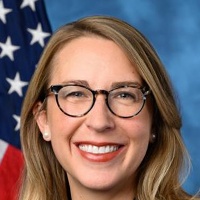
Hillary Scholten
Representative
MI
Hillary Scholten
Representative
MI
The Data Center Resource Disclosure Act directs the Department of Commerce to conduct an annual survey of energy and water consumption by U.S. data centers. The results, including an interactive map and public feedback, will be published online to increase transparency. Additionally, the Act requires a report to Congress with recommendations for improving data center regulation and oversight.
This bill prohibits the construction and operation of artificial intelligence data centers and their associated infrastructure on federal lands while mandating the removal of any existing facilities.
Rashida Tlaib
Representative
MI
Rashida Tlaib
Representative
MI
The No AI Data Centers on Federal Lands Act prohibits the construction and operation of artificial intelligence data centers and their associated infrastructure on federal land. The bill mandates the immediate cessation of any existing projects and requires agencies to oversee the removal and environmental restoration of these sites.
The Right to IVF Act of 2026 establishes a nationwide right to fertility care, mandates comprehensive insurance coverage for reproductive services, and expands access to fertility treatments for veterans and federal employees.
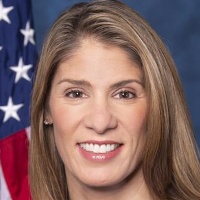
Lori Trahan
Representative
MA
Lori Trahan
Representative
MA
The Right to IVF Act of 2026 establishes a nationwide statutory right to access assisted reproductive technology (ART) and intrauterine insemination (IUI) while prohibiting states from imposing restrictive barriers. The bill further expands family-building support by mandating comprehensive fertility coverage across private insurance, Medicare, Medicaid, and federal employee health plans. Additionally, it guarantees expanded access to fertility services and preservation for military service members and veterans.
The Eleanor Smith Inclusive Home Design Act of 2026 mandates that all new residential construction receiving federal financial assistance must incorporate "visitability" standards to ensure accessibility for individuals with disabilities.

Janice Schakowsky
Representative
IL
Janice Schakowsky
Representative
IL
The Eleanor Smith Inclusive Home Design Act of 2026 mandates that all new single-family homes and townhouses built with federal assistance must meet "visitable" accessibility standards. The bill establishes strict enforcement mechanisms, including plan reviews and legal remedies, to ensure that federally funded housing is accessible to individuals with disabilities.
The WINGS Act of 2026 expands federal student aid eligibility to cover essential aviation training costs for students enrolled in qualifying degree programs.
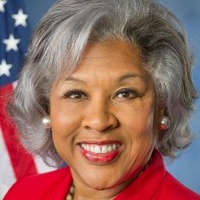
Joyce Beatty
Representative
OH
Joyce Beatty
Representative
OH
The WINGS Act of 2026 expands federal student aid eligibility to cover essential aviation training costs, such as flight hours, simulator fees, and licensing exams, for students in qualifying degree programs. By updating the Higher Education Act, this legislation aims to reduce the financial barriers for students pursuing careers in the aviation industry. These changes will take effect starting with the 2027–2028 academic year.
The TPS Review Act strengthens judicial oversight and establishes congressional review for decisions to terminate Temporary Protected Status, ensuring that such actions are evidence-based and subject to legal challenge.
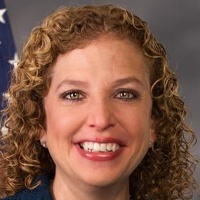
Debbie Wasserman Schultz
Representative
FL
Debbie Wasserman Schultz
Representative
FL
The Temporary Protected Status (TPS) Review Act strengthens oversight of government decisions to terminate TPS designations by reinstating judicial review and requiring that such decisions be supported by a comprehensive administrative record. The bill also subjects TPS terminations to congressional review under the Congressional Review Act, ensuring these decisions are subject to greater accountability. Additionally, it provides legal protections for beneficiaries by automatically staying terminations during the pendency of any legal challenges.
This bill reauthorizes the Accelerating Access to Critical Therapies for ALS Act through 2031 while enhancing grant oversight, safety reporting requirements, and FDA strategic planning for rare neurodegenerative diseases.

Mike Quigley
Representative
IL
Mike Quigley
Representative
IL
The Accelerating Access to Critical Therapies for ALS Reauthorization Act of 2026 extends vital funding for ALS research and clinical trial programs through 2031. This legislation strengthens oversight by enhancing grant review processes, improving safety reporting requirements, and mandating a comprehensive five-year FDA action plan to accelerate the development of treatments for rare neurodegenerative diseases.
This bill prohibits lifetime and annual dollar limits on dental benefits under CHIP and mandates that states provide supplemental dental-only coverage for eligible children.
Nanette Barragán
Representative
CA
Nanette Barragán
Representative
CA
The Ensuring Kids Have Access to Medically Necessary Dental Care Act strengthens dental coverage for children enrolled in the Children's Health Insurance Program (CHIP). This legislation prohibits states from imposing annual or lifetime dollar limits on dental benefits and mandates that states provide dental-only supplemental coverage. These changes ensure that low-income children have consistent, comprehensive access to necessary dental care.
The Medicaid Dental Benefit Act of 2026 mandates comprehensive dental coverage for adults under state Medicaid programs while establishing new federal quality standards, reporting requirements, and outreach initiatives to improve oral health equity.
Nanette Barragán
Representative
CA
Nanette Barragán
Representative
CA
The Medicaid Dental Benefit Act of 2026 mandates that all state Medicaid programs provide comprehensive dental and oral health coverage for adults beginning January 1, 2027. To support this transition, the bill provides three years of 100% federal funding for these core services and establishes new national quality and equity reporting standards. Additionally, the legislation requires federal outreach programs to improve access to care and mandates a comprehensive report on the state of adult oral health in the United States.
The Daycare Not Detentions Act of 2026 reallocates $70 billion from federal immigration enforcement agencies to expand funding for child care, Head Start, and early education programs through 2029.
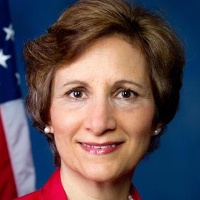
Suzanne Bonamici
Representative
OR
Suzanne Bonamici
Representative
OR
The Daycare Not Detentions Act of 2026 provides $70 billion in supplemental funding to expand and support child care, Head Start, and early education programs through 2029. This legislation offsets the cost by rescinding an equal amount of unobligated funding previously allocated to U.S. Customs and Border Protection and Immigration and Customs Enforcement.
This bill prohibits domestic business entities with significant foreign ownership or influence from contributing to U.S. elections and mandates strict certification requirements to ensure political spending is free from foreign control.
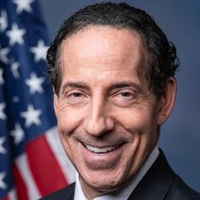
Jamie Raskin
Representative
MD
Jamie Raskin
Representative
MD
The Get Foreign Money Out of United States Elections Act strengthens existing laws to prevent foreign influence in American elections. It expands the ban on foreign contributions to include domestic companies with significant foreign ownership or control and mandates strict certification requirements for corporate political action committees. These measures ensure that foreign entities cannot influence federal, state, or local elections through direct spending, ballot initiatives, or Super PACs.
The Right to Learn Act of 2026 establishes a federal grant program to provide schools and community organizations with the resources necessary to support students and staff impacted by immigration enforcement actions while protecting their privacy and right to education.
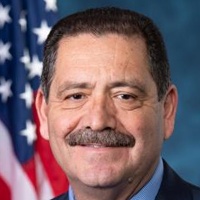
Jesús García
Representative
IL
Jesús García
Representative
IL
The Right to Learn Act of 2026 establishes a federal grant program to support schools and community organizations in providing trauma-informed care and resources to students and families impacted by immigration enforcement. The Act aims to ensure that all children, regardless of immigration status, have access to a safe, stable, and inclusive learning environment. Additionally, it mandates strict privacy protections for student information and prohibits discrimination based on immigration status.
The Justice for Incarcerated Moms Act aims to improve maternal health outcomes for incarcerated individuals by prohibiting the shackling of pregnant prisoners and establishing federal and state programs to provide comprehensive prenatal and postpartum care.
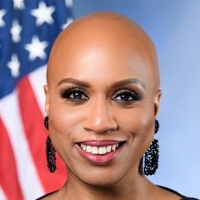
Ayanna Pressley
Representative
MA
Ayanna Pressley
Representative
MA
The Justice for Incarcerated Moms Act aims to improve maternal health outcomes and reduce disparities for pregnant and postpartum individuals in the criminal justice system. The bill mandates the end of shackling for pregnant individuals in federal and state facilities and establishes comprehensive model programs to provide prenatal and postpartum care. Additionally, it creates a grant program for state and local facilities to improve maternal health services and requires a federal report to identify and address systemic barriers to care.