Legislative Activity
Track Adelita's sponsored bills, co-sponsored legislation, and voting record
This bill mandates a comprehensive study by the Comptroller General on the fiscal impact of federal workforce reductions (RIFs) on state and local government budgets, revenues, and services.
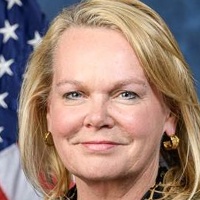
April McClain Delaney
Representative
MD
April McClain Delaney
Representative
MD
The Fiscal Harms of Federal Firings Act mandates a comprehensive study by the Comptroller General on how federal workforce reductions (RIFs) impact state and local government budgets. This study will analyze changes in state spending, tax revenues, and regional economic effects resulting from federal job cuts. The resulting report will provide Congress with findings, identify the most affected areas, and suggest policy options for mitigating these fiscal harms.
This resolution calls for the annulment of the Monroe Doctrine and the establishment of a "New Good Neighbor" policy to foster improved, cooperative relations between the U.S. and its Latin American and Caribbean neighbors.
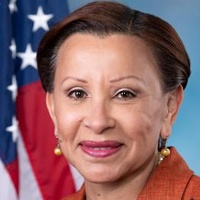
Nydia Velázquez
Representative
NY
Nydia Velázquez
Representative
NY
This resolution calls for the formal annulment of the historical Monroe Doctrine, citing decades of U.S. interventionism in Latin America and the Caribbean. It proposes replacing this doctrine with a "New Good Neighbor" policy focused on fostering genuine partnership and cooperation. Key elements include ending unilateral sanctions, reforming international financial institutions, and respecting regional sovereignty.
This act establishes non-mandatory guidance for private employers and mandatory regulations for federal agencies regarding the acquisition, maintenance, and training for opioid overdose reversal medication in the workplace.
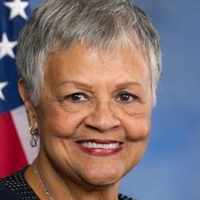
Bonnie Watson Coleman
Representative
NJ
Bonnie Watson Coleman
Representative
NJ
The WORK to Save Lives Act aims to combat opioid overdoses by requiring federal agencies to stock overdose reversal medication and provide voluntary training. For private employers, the bill establishes non-mandatory guidance on acquiring medication and offering similar voluntary employee training. This legislation focuses on increasing the availability and knowledge surrounding life-saving overdose reversal tools in workplaces.
The PLATE Act mandates that ICE and CBP vehicles used for civil immigration enforcement must display visible license plates on the exterior at all times.
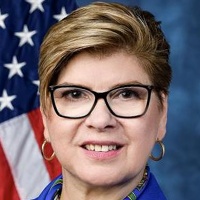
Nellie Pou
Representative
NJ
Nellie Pou
Representative
NJ
The PLATE Act mandates that vehicles used by ICE and CBP for civil immigration enforcement must clearly display visible license plates on the exterior at all times. This requirement applies regardless of any other existing law.
This act reauthorizes and expands funding for the WISEWOMAN program to provide additional heart health preventive services to low-income women.
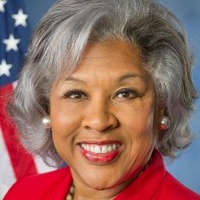
Joyce Beatty
Representative
OH
Joyce Beatty
Representative
OH
The Women’s Heart Health Expansion Act of 2026 reauthorizes the WISEWOMAN program through fiscal year 2031, securing significant funding for women's health initiatives. This legislation allows for supplemental grants to expand preventive health services, such as blood pressure and cholesterol screenings, to low-income women. These services will be integrated with existing breast and cervical cancer screening programs.
This bill mandates that Federally-qualified health centers receive the full 340B discounted drug price upfront at the point of purchase, prohibiting post-purchase price adjustments.
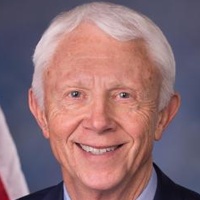
Jack Bergman
Representative
MI
Jack Bergman
Representative
MI
The Community Health Center Drug Pricing Protection Act ensures that Federally-qualified health centers (FQHCs) receive the full 340B discounted price for drugs at the point of purchase. This legislation prohibits manufacturers from requiring FQHCs to pay more than the established ceiling price upfront, regardless of any later rebates or reimbursements. The goal is to guarantee immediate, upfront savings for these vital health centers.
The Rebuild America’s Schools Act of 2026 establishes federal grant and bond programs to provide billions of dollars for the long-term improvement, modernization, and repair of public school facilities, prioritizing health, safety, and environmental conditions in high-need districts.
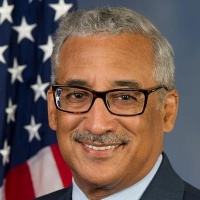
Robert Scott
Representative
VA
Robert Scott
Representative
VA
The **Rebuild America’s Schools Act of 2026** establishes major federal funding streams, including grants and tax-credit bonds, to modernize and repair public school facilities nationwide from 2027 through 2031. The legislation prioritizes districts with the greatest need, focusing on improving student health, safety, and environmental conditions in school buildings. It also mandates increased transparency through public databases tracking facility conditions and requires specific labor and "Buy America" standards for funded construction projects.
The Drain ICE Act of 2026 seeks to repeal specific sections of a previous law and rescind related funding, citing concerns over the Trump Administration's immigration enforcement practices, detention conditions, and resource allocation.
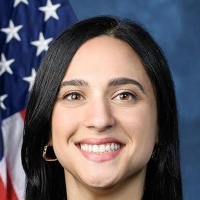
Yassamin Ansari
Representative
AZ
Yassamin Ansari
Representative
AZ
The Drain ICE Act of 2026 aims to fundamentally reform immigration enforcement by repealing specific sections of a prior law (Public Law 11921) and rescinding associated funding. This legislation is introduced in response to Congressional findings detailing concerns over mass deportation policies, inhumane detention conditions, and the detention of non-criminal individuals under the Trump Administration. The bill seeks to end practices deemed contrary to constitutional protections and human rights in immigration enforcement.
This Act establishes minimum humane standards for ICE detention facilities, mandates public reporting and real-time health tracking systems, and strengthens oversight to ensure detainee welfare.
Yassamin Ansari
Representative
AZ
Yassamin Ansari
Representative
AZ
The Stop Inhumane Conditions in ICE Detention Act of 2026 mandates minimum health, safety, and legal standards for all ICE detention facilities, prohibiting funding for non-compliant sites. It establishes rigorous, real-time health reporting systems and requires unannounced inspections with penalties, including contract termination, for facilities that fail to meet these standards. Furthermore, the bill creates anonymous complaint channels and mandates annual audits focusing on gender-related health protections.
This resolution supports the goals of National Black HIV/AIDS Awareness Day by encouraging testing, commending service organizations, and advocating for strategies to reduce HIV disparities in Black communities.
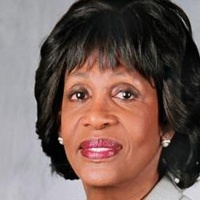
Maxine Waters
Representative
CA
Maxine Waters
Representative
CA
This resolution supports the goals of National Black HIV/AIDS Awareness Day by recognizing the disproportionate impact of HIV on Black Americans. It encourages testing, commends organizations providing culturally competent care, and supports the implementation of the National HIV/AIDS Strategy to reduce disparities. The bill also calls for prioritizing funding for minority-led agencies and addressing systemic barriers to care.
This bill mandates a Congressional Budget Office study on the long-term economic and societal impacts of immigration policies implemented starting in 2025.
Yassamin Ansari
Representative
AZ
Yassamin Ansari
Representative
AZ
This act mandates the Congressional Budget Office, in collaboration with the Council of Economic Advisers, to conduct a comprehensive study on the long-term economic impacts of potential mass deportation policies enacted after January 20, 2025. The study will analyze effects on industries, public safety, GDP, tax revenue, and more over a 20 to 40-year period. Relevant federal agencies are required to provide necessary data to complete this analysis.
This bill establishes a new Medicare benefit and payment system for comprehensive ALS-related services, effective in 2027, while also requiring a report on clinical trial challenges.

Janice Schakowsky
Representative
IL
Janice Schakowsky
Representative
IL
The ALS Better Care Act aims to improve care for individuals with ALS by establishing new Medicare coverage for essential ALS-related services starting in 2027. This includes creating a new, single payment system for providers delivering specialized care, such as therapy and nursing support. Additionally, the bill mandates a report to address current challenges in staffing and administering ALS clinical trials.
This bill establishes mandatory minimum humanitarian standards for health screening, water, sanitation, food, and shelter for all individuals in ICE and CBP custody.
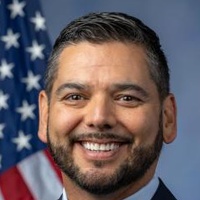
Raul Ruiz
Representative
CA
Raul Ruiz
Representative
CA
The Humanitarian Standards for Individuals in ICE and CBP Custody Act establishes minimum standards for health screening, nutrition, sanitation, and shelter for individuals detained by ICE and CBP. This bill mandates specific protocols for medical care, facility conditions, and personnel training to ensure humane treatment. It also requires regular inspections and public reporting on compliance and sexual abuse complaints.
This bill reauthorizes and expands federal funding and services for victims of family and dating violence while strengthening prevention efforts, especially for Tribal and underserved communities.
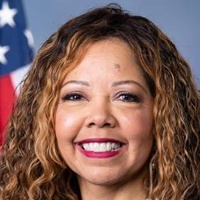
Lucy McBath
Representative
GA
Lucy McBath
Representative
GA
The Family Violence Prevention and Services Improvement Act of 2026 reauthorizes and expands critical federal programs to improve services and prevention for victims of domestic and dating violence through 2031. It significantly increases funding and broadens support, especially for Tribal communities and underserved populations, by allowing for culturally specific and digital services. Additionally, the bill enhances efforts to prevent teen dating violence through increased funding for broader educational programs.
This Act ensures federal employees and certain contractors are paid during any government shutdown in fiscal year 2026 and prohibits workforce reductions during such funding gaps.
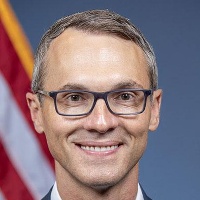
James Walkinshaw
Representative
VA
James Walkinshaw
Representative
VA
The True Shutdown Fairness Act ensures that federal employees and certain contract employees receive their full pay and benefits during any government shutdown in fiscal year 2026. It also mandates retroactive contract price adjustments to compensate contractors for costs incurred during previous shutdowns. Furthermore, the bill prohibits federal agencies from implementing workforce reductions or placing employees on extended administrative leave during funding lapses.
This Act establishes a grant program to fund digital literacy initiatives in underserved areas and creates a commission to study and recommend national strategies for improving digital and information literacy across the United States.
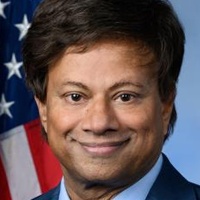
Shri Thanedar
Representative
MI
Shri Thanedar
Representative
MI
The Digital Literacy and Equity Act of 2026 establishes a grant program to fund initiatives improving digital and information literacy skills in disadvantaged and low-income areas. It also creates a federal commission tasked with studying the current state of digital literacy nationwide and recommending strategies for improvement. The Act authorizes $250 million annually for these grant programs from fiscal years 2027 through 2031.
This resolution condemns violence and oppression against ethnic minorities in the Democratic Republic of the Congo and urges comprehensive action from the DRC government, social media companies, neighboring countries, and the U.S. government to promote peace, accountability, and protection.
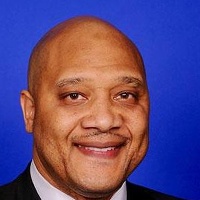
André Carson
Representative
IN
André Carson
Representative
IN
This resolution strongly condemns all acts of violence, oppression, and abuse targeting ethnic minorities in the Democratic Republic of the Congo (DRC). It highlights findings of escalating hate speech, atrocities committed by armed groups and state forces, and the potential for ethnic cleansing. The bill urges the DRC government to protect its citizens, calls on social media companies to curb hate speech, and directs the U.S. government to investigate atrocities and impose targeted sanctions.
This bill seeks to disapprove and nullify the Department of Veterans Affairs' final rule regarding "Reproductive Health Services."
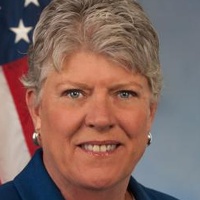
Julia Brownley
Representative
CA
Julia Brownley
Representative
CA
This resolution seeks to disapprove the Department of Veterans Affairs' final rule concerning "Reproductive Health Services" issued in September 2024. If enacted, this disapproval, made under the Congressional Review Act, would prevent the VA rule from taking legal effect.
This bill establishes a comprehensive FDA regulatory framework for hemp-derived cannabinoid products, defining product types, setting manufacturing and labeling standards, and imposing sales restrictions.
H. Griffith
Representative
VA
H. Griffith
Representative
VA
The Hemp Enforcement, Modernization, and Protection Act establishes a comprehensive federal regulatory framework for cannabinoid hemp products under the Federal Food, Drug, and Cosmetic Act. This bill defines various cannabinoid types and product categories (oral, inhalable, topical) while setting strict standards for manufacturing, labeling, and testing. It also prohibits certain products, mandates facility registration with the FDA, sets a minimum age of sale at 21, and grants the FDA enhanced enforcement and recall authority.
This bill abolishes immigration detention and electronic monitoring while redirecting funds to establish a grant program for community-based wrap-around social services.
Delia Ramirez
Representative
IL
Delia Ramirez
Representative
IL
This bill aims to end immigration detention and electronic monitoring by abolishing detention authority and terminating related contracts within a set timeframe. It mandates the release of all currently detained individuals and prohibits future use of federal funds for monitoring programs. Finally, the legislation redirects funding toward a new grant program providing voluntary, comprehensive wrap-around social services through community-based organizations.