This bill reauthorizes and expands federal funding and services for victims of family and dating violence while strengthening prevention efforts, especially for Tribal and underserved communities.
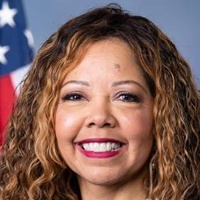
Lucy McBath
Representative
GA-6
The Family Violence Prevention and Services Improvement Act of 2026 reauthorizes and expands critical federal programs to improve services and prevention for victims of domestic and dating violence through 2031. It significantly increases funding and broadens support, especially for Tribal communities and underserved populations, by allowing for culturally specific and digital services. Additionally, the bill enhances efforts to prevent teen dating violence through increased funding for broader educational programs.
Family Violence Prevention Act Boosts Funding to $270 Million and Expands Support for Digital Abuse Victims through 2031.
The Family Violence Prevention and Services Improvement Act of 2026 is a major overhaul of how our national safety net supports survivors of domestic and dating violence. Starting in fiscal year 2027 and running through 2031, the bill authorizes a minimum of $270 million annually for core programs. This isn't just about keeping the lights on at local shelters; it’s a significant expansion that recognizes how the world has changed since the original law was written. For the first time, the bill explicitly brings technology-facilitated abuse into the fold and mandates that services include digital support, acknowledging that modern domestic violence often involves GPS tracking, social media harassment, and digital isolation.
A Modern Safety Net for Modern Problems One of the biggest shifts in this legislation is the move toward inclusivity and accessibility. The bill (Section 1) updates grant conditions to strictly prohibit discrimination and bans the practice of charging victims fees for services—ensuring that a person’s bank account doesn't dictate their safety. It also requires that services be accessible to individuals with disabilities and those with limited English proficiency. For a survivor in a rural area who speaks a different language or a person with a physical disability, these provisions mean the difference between a locked door and actual help. By broadening the definition of eligible recipients to include 'children and dependents,' the bill also ensures that the smallest witnesses of violence get the counseling they need to break the cycle.
Targeted Support for Tribal and Underserved Communities The bill acknowledges that a one-size-fits-all approach doesn't work for every community. It creates dedicated funding streams for Tribal domestic violence coalitions and establishes specific resource centers for Alaska Native and Native Hawaiian communities. This isn't just bureaucratic shuffling; it’s about putting resources into the hands of people who understand the specific cultural and geographical hurdles survivors face in those areas. For example, a survivor in a remote Tribal village might now have access to a culturally specific hotline or an advocate who understands the legal complexities of Tribal jurisdiction, rather than being routed to a generic national call center that doesn't know their reality.
Stopping the Cycle Before it Starts Perhaps the most forward-looking part of the bill is the focus on prevention. Title II significantly bumps the budget for teen dating violence prevention to $10 million per year, a massive jump from 1990s-era funding levels. This money is earmarked for community-based projects that teach young people about healthy relationships and digital boundaries. For a high school student today, this might mean more robust educational programs in their school or local community center. By prioritizing 'primary prevention'—stopping the violence before it ever happens—the bill aims to reduce the long-term strain on our emergency systems and, more importantly, save lives before they are upended by abuse.