This act reauthorizes and expands funding for the WISEWOMAN program to provide additional heart health preventive services to low-income women.
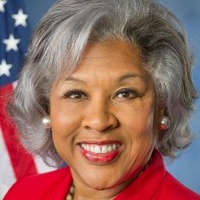
Joyce Beatty
Representative
OH-3
The Women’s Heart Health Expansion Act of 2026 reauthorizes the WISEWOMAN program through fiscal year 2031, securing significant funding for women's health initiatives. This legislation allows for supplemental grants to expand preventive health services, such as blood pressure and cholesterol screenings, to low-income women. These services will be integrated with existing breast and cervical cancer screening programs.
Women’s Heart Health Expansion Act Proposes $250 Million for Screenings and Preventive Care Through 2031
The Women’s Heart Health Expansion Act of 2026 aims to broaden the scope of the existing WISEWOMAN program, moving beyond cancer screenings to tackle cardiovascular health. By authorizing $250 million in funding from fiscal years 2027 through 2031, the bill enables the CDC to award supplemental grants that integrate heart health into routine check-ups. This means that for a woman visiting a clinic for a scheduled cervical cancer screening, the facility could now receive federal funds to check her blood pressure and cholesterol during that same appointment, providing a more holistic approach to preventive care.
More Than Just a Specialist Visit
Under Section 2, the bill specifically targets low-income women and those already enrolled in the National Breast and Cervical Cancer Early Detection Program. Instead of navigating a maze of different doctors, patients can receive health education and medical treatment referrals in one place. For a busy mother or a shift worker who can only take one afternoon off for a doctor’s visit, this provision streamlines care by allowing existing providers to offer these extra services. The bill also allows current grant recipients to designate other entities to provide these services, provided they get the green light from the Secretary of Health and Human Services (HHS).
The Fine Print on Eligibility and Oversight
While the bill is clear about the dollar amounts and the 2031 sunset date, there is some room for interpretation regarding who exactly qualifies. The text mentions "other low-income women who meet eligibility criteria specified by the Secretary," which gives the HHS Secretary significant power to define the income threshold or other requirements. Additionally, the bill mandates that these programs be evaluated through surveillance and monitoring. This is a built-in accountability measure to ensure that the $250 million is actually improving health outcomes rather than just disappearing into administrative overhead.
Connecting the Dots for Patients
For everyday people, this legislation is about closing the gap between "getting checked" and "getting treated." By funding follow-up services and referrals, the bill attempts to ensure that a high cholesterol reading doesn't just result in a piece of paper, but in a concrete plan for medical care. The success of this rollout will largely depend on how quickly the Secretary defines those eligibility rules and how easily local clinics can pivot to include these heart-healthy services alongside their existing cancer screening workflows.