This resolution condemns violence and oppression against ethnic minorities in the Democratic Republic of the Congo and urges comprehensive action from the DRC government, social media companies, neighboring countries, and the U.S. government to promote peace, accountability, and protection.
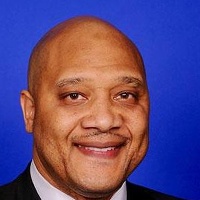
André Carson
Representative
IN-7
This resolution strongly condemns all acts of violence, oppression, and abuse targeting ethnic minorities in the Democratic Republic of the Congo (DRC). It highlights findings of escalating hate speech, atrocities committed by armed groups and state forces, and the potential for ethnic cleansing. The bill urges the DRC government to protect its citizens, calls on social media companies to curb hate speech, and directs the U.S. government to investigate atrocities and impose targeted sanctions.
U.S. Resolution Condemns DRC Violence, Urges Action Against Atrocities and Hate Speech
Alright, let's talk about something heavy but important: a new resolution coming out of the U.S. that's shining a spotlight on the Democratic Republic of the Congo (DRC). This isn't a new law per se, but it's a strong statement from the U.S. government condemning some truly horrific stuff going on over there, specifically violence and abuse against ethnic minorities.
The DRC: A Deep Dive into the Crisis
This resolution kicks off by laying out the grim reality in the DRC. We're talking decades of challenges—natural disasters, political instability, and widespread abuse against civilians. What's really concerning is the finding that ethnic minorities are being targeted with escalating hate speech and incitement to violence, even from politicians and security officials. Imagine being falsely labeled a 'foreigner' in your own country just because of your ethnicity. That's what's happening.
The resolution doesn't pull punches, noting reports from the U.S., UN, and human rights groups that point fingers at the DRC's own armed forces (FARDC) for allegedly helping armed groups like the Democratic Forces for the Liberation of Rwanda (FDLR). Then there's the M23 armed group, which claims to be protecting persecuted minorities but is also cited for major displacements, killings, sexual violence, and abductions, especially after seizing Goma in early 2025. The resolution even states that this violence, whether from the FARDC, M23, or other groups, may constitute ethnic cleansing or meet the criteria for genocide under the UN Convention. That's a serious alarm bell ringing, folks.
What the U.S. is Calling For
So, what's the U.S. asking for? A lot, actually. First, it's a direct condemnation of all this violence and human rights abuse. It highlights documented acts like killings, sexual violence, looting, forced displacement, and the use of child soldiers. If you're a parent, the thought of child soldiers alone is enough to make you sick.
The resolution then makes several key demands. It calls for increased security for the millions of people displaced within the DRC—think about your daily commute, then imagine having no home to go to, constantly fearing for your life. It also reaffirms that the U.S. holds the DRC government responsible for protecting all its citizens, regardless of ethnicity, as per their international obligations. This is a big deal because it means the U.S. expects the DRC to step up and protect its own people.
Beyond Borders: Tech, Neighbors, and Global Commitments
This isn't just about the DRC government. The resolution also urges social media companies to get a handle on hate speech and incitement to violence on their platforms. For anyone who's seen how quickly misinformation and hate can spread online, this is a crucial ask. It also appeals to neighboring countries to keep their doors open and provide safe harbor for refugees, including those from ethnic minorities, until it's safe for them to return home. Imagine being forced to flee with nothing but the clothes on your back; knowing there's a safe place to land is everything.
The U.S. also reminds itself of its own international obligation to prevent and punish genocide. It calls on the DRC and Rwanda to stick to their June 2025 peace agreement, which aims to clean up mineral supply chains and boost trade. This is important because illicit mining, often fueled by child labor and causing environmental damage, is a major way these militias fund themselves. So, cleaning up the supply chain isn't just good for business; it's good for human rights.
Directives for the DRC Government and U.S. Officials
The resolution specifically urges the DRC government to do a few critical things beyond that peace agreement. They need to stop supporting non-state armed groups and hold their own security forces accountable for atrocities through transparent investigations. They also need to keep working on disarming and reintegrating armed groups, coordinate with regional peace processes, and ensure humanitarian aid can reach everyone who needs it. Basically, clean up your act, protect your people, and let help in.
For the U.S. side, the resolution isn't just talk. It urges the Secretary of State to investigate these atrocities and come up with a strategy to address them, engaging directly with the DRC government at the highest levels. It also calls on the President to appoint a Special Envoy to the Great Lakes region to tackle this security crisis head-on. And here's where it could hit home for some: the President is urged to use existing authorities to protect ethnic minorities fleeing violence, including potentially designating them for Priority 2 access to the U.S. Refugee Admissions Program. That means some individuals fleeing these horrors could get a direct path to safety in the U.S. The President is also urged to slap targeted sanctions on known human rights abusers in the DRC. For those bad actors, this means their assets could be frozen, and they could be barred from international travel and business, making it harder for them to profit from their crimes.
What This Means for You (and Everyone Else)
While this resolution is focused on a far-off conflict, it has real-world implications. If you're someone who cares about human rights, this is the U.S. government taking a stand. If you're an American taxpayer, this resolution implies a commitment of resources—diplomatic, investigative, and potentially humanitarian—to address a severe international crisis. For those who might be impacted by the refugee program changes, it could mean a chance at a new life. And for businesses, especially those dealing with minerals from the region, it signals a continued push for ethical sourcing and accountability. It's a reminder that even in our busy lives, the ripple effects of global events can reach us in unexpected ways, and that our government is being pressed to act on some of the world's toughest problems.