This bill establishes mandatory minimum humanitarian standards for health screening, water, sanitation, food, and shelter for all individuals in ICE and CBP custody.
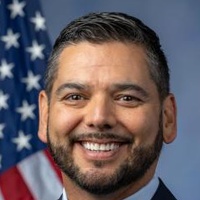
Raul Ruiz
Representative
CA-25
The Humanitarian Standards for Individuals in ICE and CBP Custody Act establishes minimum standards for health screening, nutrition, sanitation, and shelter for individuals detained by ICE and CBP. This bill mandates specific protocols for medical care, facility conditions, and personnel training to ensure humane treatment. It also requires regular inspections and public reporting on compliance and sexual abuse complaints.
ICE and CBP Facilities to Face New Humanitarian Standards: Mandatory Health Screenings and 2,000-Calorie Daily Minimums Proposed
This bill overhaul the basic living conditions for anyone held in ICE or CBP custody, setting hard requirements for everything from medical checkups to the number of toilets in a facility. Under the proposal, every person detained must receive an in-person health screening by a licensed professional within 12 hours of arrival—or just 6 hours for kids, pregnant women, and the elderly. Beyond just a quick look-over, the bill mandates a full physical exam, vital signs check, and a review of any prescription meds the person brought with them, ensuring they aren't cut off from necessary treatment while in custody.
A Prescription for Basic Care
The bill gets into the nitty-gritty of medical logistics to ensure nobody falls through the cracks. It requires facilities to have private spaces for exams and on-site medical equipment for emergencies, including resuscitation tools for all ages. If someone is discharged from a hospital and sent back to a detention center, the bill (Section 8) requires a formal handoff to a licensed provider who must verify that the person is actually stable enough to be there. For the average person, this looks like a move toward the same standard of care you’d expect at an urgent care clinic, ensuring that treatable conditions don't turn into tragedies during the legal process.
Kitchen Table Standards
When it comes to daily life inside these facilities, the bill sets specific floors for nutrition and hygiene that aren't currently set in stone by law. It mandates three meals a day totaling at least 2,000 calories for adults (Section 4), and requires that kids get age-appropriate portions. On the hygiene front, the rules are just as specific: at least one gallon of water per person daily, one toilet for every 12 men or 8 women, and the right to a daily shower. It even requires unrestricted access to diapers and changing stations for parents with babies, acknowledging the reality that many people in these facilities are families.
Accountability and the Fine Print
To make sure these aren't just empty promises, the bill builds in several layers of oversight. The DHS Inspector General would be required to conduct unannounced inspections to check for compliance, and the GAO will study whether personnel are following the rules or engaging in harassment. While the bill sets a high bar for care, the challenge will be the rollout—the Secretary of Homeland Security has just six months to get everything up to code (Section 9). For taxpayers and observers, the focus will be on whether the agencies can hire enough medical staff and upgrade older buildings fast enough to meet these new legal requirements without ballooning costs or cutting corners via third-party contractors.