The "No TSA Data for ICE Act" prohibits the Department of Homeland Security from sharing TSA passenger data with immigration enforcement agencies and protects Trusted Traveler program participants from retaliation for exercising their First Amendment rights.
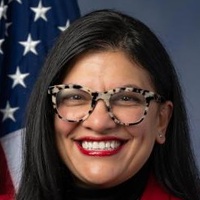
Rashida Tlaib
Representative
MI-12
The "No TSA Data for ICE Act" prohibits the Department of Homeland Security from sharing sensitive passenger data from the TSA or private brokers with immigration enforcement agencies. Additionally, the bill protects participants in Trusted Traveler programs by preventing the government from suspending or denying enrollment based on an individual's participation in First Amendment-protected activities.
No TSA Data for ICE Act Bars Shared Passenger Info and Protects PreCheck Status for Protesters
The No TSA Data for ICE Act creates a legal firewall between the people who scan your shoes at the airport and the agencies that handle immigration enforcement. Specifically, the bill amends the Homeland Security Act of 2002 to prevent the Secretary of Homeland Security from using 'specified information'—which includes TSA data and passenger info bought from private data brokers—to help Customs and Border Protection (CBP) or Immigration and Customs Enforcement (ICE) do their jobs. It essentially tells these agencies that just because one part of the government has your flight details or personal data, it doesn't mean every other department gets an automatic invite to the party.
Keeping Travel and Activism Separate
One of the most practical shifts in this bill involves your 'Trusted Traveler' status. Under Section 2, the government is strictly forbidden from denying, suspending, or kicking you out of programs like TSA PreCheck, Global Entry, NEXUS, or SENTRI based on your participation in First Amendment-protected activities. Imagine you’re a software engineer who spends your weekend at a peaceful protest or a construction worker active in a local political rally. Under this bill, your right to use the fast lane at the airport can’t be revoked just because you exercised your right to free speech. It draws a clear line: your political life shouldn't dictate how long you stand in the security line.
Data Privacy in the Fast Lane
The bill targets 'specified information,' which isn't just the stuff you hand over at the gate. It specifically includes data from private-sector brokers that contains personally identifiable information (PII) of flight passengers. By blocking the use of tools like 'Mobile Fortify'—apps often used to aggregate and track data—the legislation aims to stop the 'indirect' flow of your personal details to immigration authorities. For a small business owner who travels frequently, this means less worry that their routine travel data is being recycled into a different government database for a purpose they never agreed to.
The Enforcement Gap
While this is a win for privacy and civil liberties, it does create a clear operational hurdle for agencies like ICE and CBP. By cutting off access to TSA’s digital paper trail, these agencies will have to rely on their own independent data collection rather than piggybacking on airport security systems. The bill is quite specific, which leaves little room for 'creative' interpretation, though it does mention 'similar applications' to Mobile Fortify, which could lead to some technical debates down the road about which specific software tools are actually off-limits. For the average traveler, however, the result is a more predictable boundary between airport security and immigration law.