The Daycare Not Detentions Act of 2026 reallocates $70 billion from federal immigration enforcement agencies to expand funding for child care, Head Start, and early education programs through 2029.
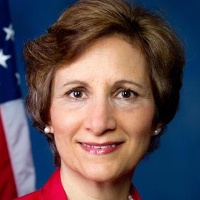
Suzanne Bonamici
Representative
OR-1
The Daycare Not Detentions Act of 2026 provides $70 billion in supplemental funding to expand and support child care, Head Start, and early education programs through 2029. This legislation offsets the cost by rescinding an equal amount of unobligated funding previously allocated to U.S. Customs and Border Protection and Immigration and Customs Enforcement.
Daycare Not Detentions Act Proposes $70 Billion Shift from Border Agencies to Child Care and Early Education Through 2029
The Daycare Not Detentions Act of 2026 proposes a massive $70 billion investment in the nation’s child care infrastructure, specifically targeting programs that support low-income families and early childhood development. This isn't just a small bump in the budget; it’s a significant infusion of cash intended to remain available through fiscal year 2029. To cover the cost, the bill pulls $70 billion directly from existing, unused funds previously earmarked for U.S. Customs and Border Protection (CBP) and U.S. Immigration and Customs Enforcement (ICE) under the Secure America Act.
Breaking Down the $70 Billion Investment
The bill divides the new funding across four major pillars of the current child care system. The largest slice, $25.5 billion, goes to the Child Care and Development Block Grants, which are the primary way the government helps working parents cover the cost of daycare. Another $20 billion is set aside for mandatory state child care entitlements, while $24 billion is dedicated to Head Start—the program that provides education, nutrition, and health screenings for young children. Finally, $500 million is allocated for Preschool Development Grants to help states build out or improve their existing preschool networks. For a parent working two jobs or a family struggling to find an open spot in a local preschool, these numbers represent a significant push to lower waitlists and out-of-pocket costs.
The Trade-Off: Funding the Shift
Section 3 of the bill is where the 'Not Detentions' part of the title comes into play. It mandates a dollar-for-dollar rescission, meaning it cancels $70 billion in funding for CBP and ICE that hasn't been spent yet. This is a classic 'reallocation' move. While it avoids adding new debt by using money already sitting in the government's accounts, it effectively strips that budget away from border security and immigration enforcement agencies. For those working in or around those sectors, this means a significant reduction in the resources those agencies expected to have for future projects or operations.
Real-World Impact and Implementation
Because the bill uses existing programs like Head Start and the Child Care and Development Block Grant, the 'plumbing' for this money is already in place. Families wouldn't have to navigate a brand-new government agency; instead, they would likely see more available slots in local programs or higher subsidy amounts through their state’s existing social services office. However, the challenge lies in the scale. Dropping $70 billion into these systems over three years requires the Administration for Children and Families to move fast without losing oversight. For the average person, this could mean the difference between a six-month waiting list for a child care voucher and getting one in weeks, provided the local daycare centers have the staff to handle the influx.