The Right to Learn Act of 2026 establishes a federal grant program to provide schools and community organizations with the resources necessary to support students and staff impacted by immigration enforcement actions while protecting their privacy and right to education.
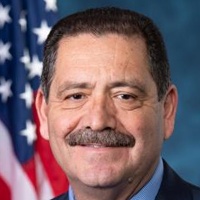
Jesús "Chuy" García
Representative
IL-4
The Right to Learn Act of 2026 establishes a federal grant program to support schools and community organizations in providing trauma-informed care and resources to students and families impacted by immigration enforcement. The Act aims to ensure that all children, regardless of immigration status, have access to a safe, stable, and inclusive learning environment. Additionally, it mandates strict privacy protections for student information and prohibits discrimination based on immigration status.
Right to Learn Act Proposes $250 Million to Shield Schools and Students from Immigration Enforcement Fallout
The Right to Learn Act of 2026 aims to turn schools into a stabilized zone for kids caught in the middle of immigration enforcement actions. By authorizing $250 million annually from 2027 through 2031, the bill creates a grant program designed to keep classrooms focused on learning rather than fear. It specifically targets students who aren't U.S. nationals—or who live with someone who isn't—offering a safety net that includes everything from bilingual trauma counselors to emergency food and shelter. The core idea is simple: if a kid is worried about their parents being deported, they aren't focusing on their math quiz, and this bill provides the cash to address that trauma directly.
More Than Just Textbooks
Under Section 4, the funding doesn't just sit in a district's general fund; it’s earmarked for specific 'stabilization services.' Think of it as a specialized toolkit for school districts and local nonprofits. For a student, this might mean access to a school psychologist who understands the specific stress of immigration legal battles. For a teacher or a bus driver, it means professional development training on how to handle a crisis if an enforcement action happens in their community. The bill even allows schools to partner with legal aid groups to provide 'Know Your Rights' sessions, ensuring families understand their legal standing without having to navigate the complex court system entirely on their own.
Privacy in the Front Office
One of the most practical shifts for parents and administrators is found in Section 5, which puts a lock on personal data. The bill strictly prohibits the Secretary of Education or any school receiving these grants from asking for or disclosing the immigration status of students or their families. There are narrow exceptions for judicial orders, but the default setting is 'don't ask, don't tell.' This is designed to combat chronic absenteeism; the logic being that if parents know the school isn't a pipeline to federal immigration databases, they’ll feel safer sending their kids to class every morning.
The Balancing Act
While the bill is focused on support, there are some logistical hurdles to watch. The legislation uses a 'Medium' level of vagueness regarding how 'non-personally identifiable information' is used to track where enforcement actions are happening. While this helps the government prioritize which schools get the money (Section 4), there is always a slight risk that high-level data could inadvertently spotlight specific neighborhoods. Additionally, with $250 million on the table, the competition for these grants will be stiff. Schools in high-impact areas will get priority, but smaller districts with fewer resources to write complex grant applications might find it harder to get their slice of the pie, even if their students are struggling just as much.