The Medicaid Dental Benefit Act of 2026 mandates comprehensive dental coverage for adults under state Medicaid programs while establishing new federal quality standards, reporting requirements, and outreach initiatives to improve oral health equity.
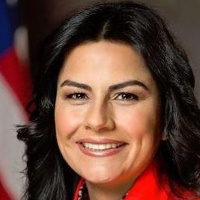
Nanette Barragán
Representative
CA-44
The Medicaid Dental Benefit Act of 2026 mandates that all state Medicaid programs provide comprehensive dental and oral health coverage for adults beginning January 1, 2027. To support this transition, the bill provides three years of 100% federal funding for these core services and establishes new national quality and equity reporting standards. Additionally, the legislation requires federal outreach programs to improve access to care and mandates a comprehensive report on the state of adult oral health in the United States.
Medicaid Dental Benefit Act Mandates Adult Coverage with 100% Federal Funding Starting 2027
Starting January 1, 2027, this bill requires every state Medicaid program to provide comprehensive dental and oral health services to adults. For the first three years, the federal government will cover 100% of the costs for these core services, effectively removing the financial excuse for states to skip out on dental care. This isn't just for emergencies; the mandate covers everything from preventive cleanings and fluoride to dentures, implants, and restorative work. While territories like Puerto Rico and Guam have the choice to opt-in, the 50 states and D.C. must implement these benefits to ensure low-income adults aren't forced to choose between a grocery bill and a tooth extraction.
Filling the Coverage Gap
For a long time, adult dental care has been a 'nice-to-have' rather than a 'must-have' in many state Medicaid plans, often leaving people to rely on emergency rooms for non-traumatic dental pain. This bill changes the game by adding 'dental and oral health services' to the list of mandatory benefits under Section 1902 of the Social Security Act. Think of a gig worker or a retail manager who finally qualifies for Medicaid; under this law, they wouldn't just get a check-up for a cough—they’d get the root canal or the dentures they’ve been putting off for years. The bill specifically protects access for those in institutional settings, ensuring that seniors or people with disabilities in long-term care don't lose out on oral health just because of where they live.
Accountability and the 'Equity' Yardstick
The legislation doesn't just throw money at the problem; it creates a rigorous tracking system to make sure the care is actually reaching people. Within one year, the Secretary of Health and Human Services must develop 'quality and equity measures' to track things like how often people with diabetes get periodontal exams or how many folks are still ending up in the ER for preventable dental issues. States will have to report this data annually, broken down by race, disability status, and gender identity. For the patient, this means the government is finally looking at whether the local dentist is actually seeing Medicaid patients or if the wait times are twice as long for certain neighborhoods. It’s a push for transparency that aims to close the gap between having a card in your wallet and actually getting a chair in the office.
Outreach and Real-World Support
To make sure people actually use these new benefits, the bill authorizes $10 million for a massive outreach and education blitz. This isn't just posters in a lobby; the law requires 'culturally sensitive and language-appropriate' information to help people navigate their new coverage. It also funds training for dentists and medical pros to better serve patients with physical or intellectual disabilities and pregnant individuals. For a busy parent juggling two jobs, this might look like getting a text in their primary language explaining how to find a local provider who takes their insurance and offers weekend hours. By focusing on the 'how' of accessing care, the bill tries to solve the logistical hurdles that often make even the best insurance feel useless in practice.