This resolution designates the first week of August as "National Community Health Center Week" to honor the vital role community health centers play in providing comprehensive primary care to millions of Americans.
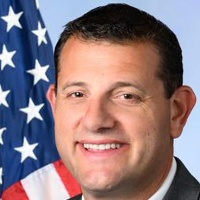
David Valadao
Representative
CA-22
This resolution designates the first week of August as "National Community Health Center Week" to honor the vital role these centers play in providing comprehensive primary care to millions of Americans. It celebrates the 60-year legacy of community health centers in improving public health outcomes, supporting local economies, and expanding access to essential services. The bill encourages all Americans to visit their local centers and recognize the dedicated staff and partners who make this care possible.
National Resolution Recognizes Community Health Centers: A Spotlight on the Network Serving 52 Million Americans
This resolution officially moves to designate the first week of August as "National Community Health Center Week." While it doesn't change your tax bracket or create new regulations, it serves as a formal high-five to the 1,500 nonprofit organizations that run 17,000 clinics across the country. These centers aren't just small-town clinics; they represent the largest primary care network in the U.S., currently treating one out of every seven people nationwide. By establishing this week of recognition, the resolution aims to draw attention to the integrated model these centers use, which combines dental, mental health, and pharmacy services under one roof to simplify care for busy families.
The Heavy Lifting of Local Clinics
To understand why this recognition is hitting the floor now, look at the numbers cited in the text. Community health centers are currently managing chronic conditions for millions, including helping 72 percent of their diabetic patients maintain control of their blood sugar. For someone working a trade or a retail job without a flexible schedule, these centers often provide the only accessible care via 1,200 mobile units and 4,500 school-based sites. The resolution specifically points out that these centers screened over 10 million people for cancer in 2024 alone, acting as a massive safety net that prevents minor health issues from turning into expensive emergency room visits.
More Than Just a Check-up
Beyond the exam room, the resolution highlights the massive economic footprint of these nonprofits. They currently support about 809,000 jobs and generate roughly $262 billion in economic activity. Because these centers are patient-governed—meaning people who actually use the clinic sit on the board—the resolution emphasizes that they are uniquely tied to local needs rather than corporate mandates. Whether it’s responding to the opioid crisis or providing specialized care for veterans, the bill frames these centers as essential infrastructure. It concludes by encouraging you to actually stop by your local center in August to see how the partnership between federal support and local operation keeps your community’s workforce healthy and on the job.