Legislative Activity
Track Warren's sponsored bills, co-sponsored legislation, and voting record
The "Death Tax Repeal Act" eliminates estate and generation-skipping transfer taxes, adjusts gift tax calculations, and sets a $10,000,000 lifetime gift exemption.
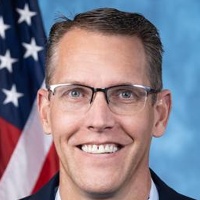
Randy Feenstra
Representative
IA
Randy Feenstra
Representative
IA
The "Death Tax Repeal Act" eliminates both estate and generation-skipping transfer taxes, effective from the date of enactment. It adjusts gift tax calculations by setting the lifetime gift exemption at $10,000,000, with inflation adjustments after 2011. The Act also includes transitional rules for applying certain sections of the Internal Revenue Code during the enactment year.
Prohibits federal funding for disinformation research grants and related programs.

Thomas Massie
Representative
KY
Thomas Massie
Representative
KY
This bill prohibits federal funds from being used for disinformation research grants. It also blocks funding for Secure and Trustworthy Cyberspace grants. Additionally, the bill defunds programs within the National Science Foundation's Track F: Trust and Authenticity in Communications Systems.
The SAFE for America Act of 2025 eliminates the diversity visa program, effective October 1, 2025.
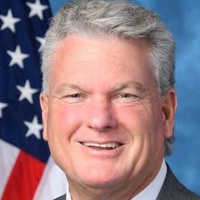
Mike Collins
Representative
GA
Mike Collins
Representative
GA
The SAFE for America Act of 2025 eliminates the Diversity Visa Program, which makes visas available to persons from countries with low rates of immigration to the United States. This is achieved through repealing subsection (c) of Section 203 of the Immigration and Nationality Act. The Act also makes corresponding technical amendments to other sections of the Immigration and Nationality Act to reflect this change. These changes would take effect beginning October 1, 2025.
This bill updates the definition of "customs waters" to align with international law, extending U.S. authority for customs enforcement to the territorial sea and contiguous zone.

Maria Salazar
Representative
FL
Maria Salazar
Representative
FL
The "Extending Limits of U.S. Customs Waters Act" updates the definition of "customs waters" to align with international law, Presidential Proclamation 5928, and Presidential Proclamation 7219. It extends U.S. customs authority to include the territorial sea and contiguous zone, as permitted by international law. These changes will take effect the day after the Act is enacted.
The Credit Union Board Modernization Act updates federal requirements to allow credit unions to determine board meeting frequency based on their age and financial performance ratings.
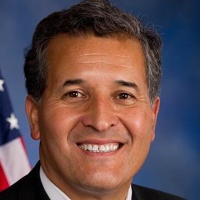
Juan Vargas
Representative
CA
Juan Vargas
Representative
CA
The Credit Union Board Modernization Act updates federal requirements for board of directors meetings, moving away from a mandatory monthly schedule. Under this bill, meeting frequency will be determined by a credit union’s age and its financial performance ratings, allowing high-performing institutions greater operational flexibility while maintaining oversight for newer or lower-rated credit unions.
The Payment Choice Act of 2025 ensures that retail businesses accepting in-person payments cannot refuse cash for transactions under $500, with certain exceptions and enforcement mechanisms.
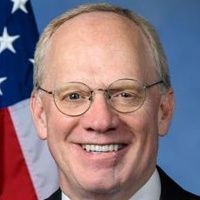
John Rose
Representative
TN
John Rose
Representative
TN
The Payment Choice Act of 2025 ensures that retail businesses accepting in-person payments cannot refuse cash for transactions under $500, preventing them from charging cash-paying customers more. It outlines specific exceptions, such as temporary system failures or providing fee-free cash-to-prepaid card converters, and allows for inactivity fees on prepaid cards under certain conditions. The bill also includes enforcement mechanisms, allowing customers to take legal action against businesses in violation and establishing penalties for non-compliance. For the first 5 years, businesses are only required to accept bills up to $20.
Mandates the disclosure of third parties entitled to payment from civil action settlements or judgments to ensure transparency.
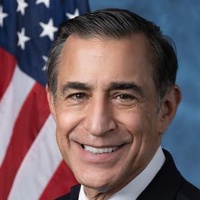
Darrell Issa
Representative
CA
Darrell Issa
Representative
CA
The Litigation Transparency Act of 2025 requires parties in civil actions to disclose the identity of any third party entitled to payment contingent on the outcome of the case, along with the relevant agreements. This disclosure aims to increase transparency in civil litigation by revealing who financially benefits from the lawsuit's outcome. Certain payments, such as loan repayments and attorney's fees, are exempt from this disclosure requirement. The Act applies to both ongoing and future court cases.
The Safe Passage on Interstates Act of 2025 establishes federal criminal penalties for individuals who knowingly obstruct, interfere with, or endanger the normal flow of traffic on interstate highways.
Mike Collins
Representative
GA
Mike Collins
Representative
GA
The Safe Passage on Interstates Act of 2025 establishes federal criminal penalties for knowingly obstructing or interfering with the normal use of an interstate highway. The bill imposes significant fines and prison sentences for activities that delay traffic, endanger motorists, or impede emergency vehicles. Lawful activities authorized by government entities remain exempt from these prohibitions.
This bill requires the Congressional Budget Office and the Joint Committee on Taxation to include debt servicing costs in their official cost estimates for proposed legislation.
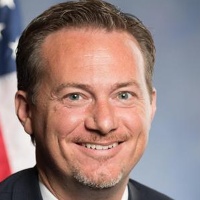
Michael Cloud
Representative
TX
Michael Cloud
Representative
TX
The Cost Estimates Improvement Act requires the Congressional Budget Office (CBO) and the Joint Committee on Taxation (JCT) to include the impact of debt servicing costs in their official legislative cost estimates. This legislation aims to provide a more comprehensive view of the long-term fiscal consequences of proposed federal spending and tax policies.
The Dismantle DEI Act of 2025 immediately rescinds federal diversity, equity, and inclusion (DEI) mandates across executive offices, contracting, grants, and education, while banning related training and imposing penalties for non-compliance.
Michael Cloud
Representative
TX
Michael Cloud
Representative
TX
The Dismantle DEI Act of 2025 aims to immediately rescind diversity, equity, and inclusion (DEI) mandates across the federal government, including shutting down related offices and banning specific ideological training for federal personnel and contractors. The bill prohibits the use of federal funds for DEI activities by grant recipients and mandates that federal advisory committees cease all such practices or face termination. Furthermore, it establishes strong enforcement mechanisms, allowing individuals to sue violators and seek financial penalties for non-compliance.
This bill mandates the termination of the U.S. Department of Education effective December 31, 2026.
Thomas Massie
Representative
KY
Thomas Massie
Representative
KY
This bill proposes the complete termination of the United States Department of Education. If enacted, the agency would be officially dissolved on December 31, 2026.
The FIZZ-NO Act of 2025 prohibits the use of SNAP benefits for the purchase of carbonated beverages containing added sugars, artificial sweeteners, or flavorings.
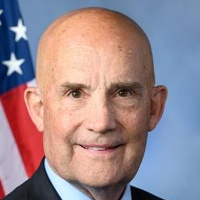
Keith Self
Representative
TX
Keith Self
Representative
TX
The Funding is Zero for Zero Nutrition Options (FIZZ-NO) Act of 2025 proposes to restrict the use of Supplemental Nutrition Assistance Program (SNAP) benefits by prohibiting the purchase of soda. Under this legislation, carbonated beverages containing added sugars, artificial sweeteners, or flavorings would be ineligible for purchase using SNAP funds. The policy is slated to take effect 180 days following its enactment.
This bill amends the Internal Revenue Code to require taxpayers to provide valid, work-authorized Social Security numbers for themselves and their qualifying children to claim the Child Tax Credit and Earned Income Tax Credit.
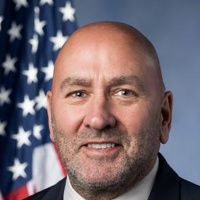
Clay Higgins
Representative
LA
Clay Higgins
Representative
LA
The Safeguarding American Workers’ Benefits Act updates eligibility requirements for the Child Tax Credit and the Earned Income Tax Credit. It mandates that taxpayers and qualifying children provide a valid Social Security number—issued to a U.S. citizen or work-authorized noncitizen—before the tax return due date to claim these benefits. These changes are set to take effect for tax years beginning after December 31, 2025.
The Teleabortion Prevention Act of 2025 would establish federal criminal penalties for healthcare providers who perform chemical abortions without being physically present for the examination, administration, and follow-up care.

Mark Harris
Representative
NC
Mark Harris
Representative
NC
The Teleabortion Prevention Act of 2025 would make it a federal crime for healthcare providers to dispense or prescribe abortion drugs without being physically present for the patient's examination and follow-up care. The bill includes exceptions for life-threatening medical emergencies and the treatment of ectopic pregnancies, while explicitly granting immunity from prosecution to patients.
The Life at Conception Act declares that the constitutional right to life begins at the moment of fertilization and applies to every member of the species *homo sapiens* at all stages of development.
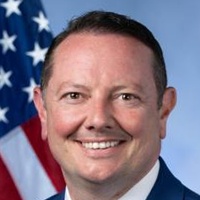
Eric Burlison
Representative
MO
Eric Burlison
Representative
MO
The Life at Conception Act declares that the constitutional right to life begins at the moment of fertilization, defining all human beings as persons from that point forward. The bill establishes legal personhood for every member of the species *homo sapiens* at all stages of development. Additionally, it explicitly prohibits the prosecution of any woman for the death of her unborn child.
The Born-Alive Abortion Survivors Protection Act requires health care practitioners to provide the same level of care to infants born alive after an abortion attempt as they would to any other newborn, mandating immediate hospitalization and imposing penalties for violations, while protecting the mother from prosecution. It also allows the mother of a child born alive to file a civil action against anyone who violated the act.
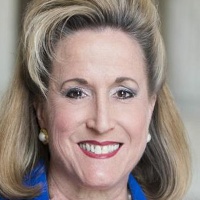
Ann Wagner
Representative
MO
Ann Wagner
Representative
MO
The "Born-Alive Abortion Survivors Protection Act" ensures that infants born alive after an abortion receive the same medical care as any other newborn, mandating immediate hospitalization and requiring healthcare practitioners to report any failures to comply. Violators face fines, imprisonment, and potential prosecution for homicide or attempted homicide, while the mother of the child cannot be prosecuted. The bill also allows the woman who had the abortion to file a civil action against anyone who violated the act. It defines abortion and attempts at abortion, and renames "Partial-Birth Abortions" to "Abortions" in relevant sections of the U.S. Code.
This bill amends the Internal Revenue Code to allow corporations to deduct intangible drilling and development costs when calculating adjusted financial statement income for the corporate alternative minimum tax.

Mike Carey
Representative
OH
Mike Carey
Representative
OH
The Promoting Domestic Energy Production Act revises corporate tax accounting rules to incentivize domestic energy investment. By allowing corporations to deduct intangible drilling and development costs when calculating their alternative minimum tax, the bill aims to reduce the tax burden on energy producers.
The SAVE Moms and Babies Act of 2025 prohibits the FDA from approving new abortion drugs and imposes strict federal restrictions on the distribution, usage, and reporting requirements for existing abortion medications.
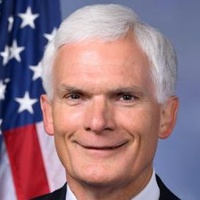
Robert Latta
Representative
OH
Robert Latta
Representative
OH
The SAVE Moms and Babies Act of 2025 prohibits the FDA from approving new abortion drugs and restricts the use of existing ones. The bill mandates strict safety protocols, including in-person administration requirements, expanded adverse event reporting, and limitations on gestational age for drug use.
The Main Street Tax Certainty Act makes the 20% pass-through business income deduction permanent by removing its scheduled expiration after 2025.
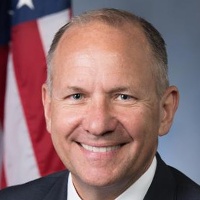
Lloyd Smucker
Representative
PA
Lloyd Smucker
Representative
PA
The Main Street Tax Certainty Act makes the 20% pass-through business income deduction permanent. By removing the current 2025 expiration date, this legislation ensures long-term tax relief for owners of qualified pass-through entities.
This bill mandates the dissolution of the Federal Insurance Office and redistributes its regulatory and oversight responsibilities to the Secretary of the Treasury and other federal financial agencies.

Troy Downing
Representative
MT
Troy Downing
Representative
MT
The Federal Insurance Office Elimination Act proposes the dissolution of the Federal Insurance Office (FIO) within the Department of the Treasury. This legislation removes the FIO from various financial oversight and regulatory processes, reassigning its responsibilities to the Secretary of the Treasury, the Federal Reserve, and other relevant agencies.