The FIZZ-NO Act of 2025 prohibits the use of SNAP benefits for the purchase of carbonated beverages containing added sugars, artificial sweeteners, or flavorings.
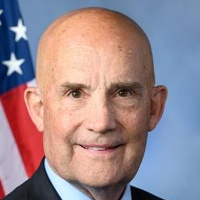
Keith Self
Representative
TX-3
The Funding is Zero for Zero Nutrition Options (FIZZ-NO) Act of 2025 proposes to restrict the use of Supplemental Nutrition Assistance Program (SNAP) benefits by prohibiting the purchase of soda. Under this legislation, carbonated beverages containing added sugars, artificial sweeteners, or flavorings would be ineligible for purchase using SNAP funds. The policy is slated to take effect 180 days following its enactment.
FIZZ-NO Act Bans Soda Purchases with SNAP Benefits: New Sugar and Sweetener Limits Start in 2025
The FIZZ-NO Act of 2025 aims to overhaul the grocery list for millions of Americans by officially banning the use of Supplemental Nutrition Assistance Program (SNAP) benefits to buy soda. Under Section 2, the bill places carbonated drinks on the same 'no-buy' list as alcohol and tobacco. This isn't just a broad swipe at Coke or Pepsi; the bill defines 'soda' very specifically as any carbonated beverage containing more than 1 gram of added sugar, artificial sweetener, or flavoring per serving. If this passes, the checkout experience for a family using SNAP will change 180 days after the bill becomes law, requiring retailers to update their systems to flag these specific drinks at the register.
The Bubble Bursts at the Checkout Counter
For a parent trying to stretch a tight budget, this bill narrows the options in the beverage aisle significantly. Because the definition in Section 2 includes 'artificial sweeteners,' even diet sodas and many flavored sparkling waters—often seen as the 'healthier' alternative to sugary drinks—will be off-limits for SNAP purchase. Imagine a construction worker grabbing a quick lunch; under these rules, a sparkling flavored water that helps them get through a shift would now have to be paid for out-of-pocket, while a non-carbonated juice with even higher sugar content might still be eligible. This creates a specific hurdle for those who rely on these benefits to manage their monthly food costs, effectively dictating their diet through the checkout scanner.
Logistics and Labels
While the goal is to steer public funds toward better nutrition, the implementation could be a headache for both shoppers and store owners. The bill’s strict '1 gram' threshold means that retailers and manufacturers will have to scrutinize every label on the shelf. For a small corner store owner, this might mean a tedious manual update of their inventory system to ensure they aren't accidentally violating federal law by selling a carbonated tea or a lightly sweetened seltzer to a SNAP recipient. Since the ban is tied to carbonation specifically, we might see a weird market shift where people simply swap their favorite soda for non-carbonated sugary drinks like fruit punch or energy drinks, which aren't currently targeted by this specific language.
A Six-Month Countdown
Section 3 sets a clear 180-day clock for these changes to take effect. This six-month window is intended to give state agencies and grocery chains time to sync their software with the new definitions. However, for the end consumer, the real impact hits when that 181st day arrives and a staple item suddenly results in a 'transaction declined' message. By targeting carbonation and sweeteners so precisely, the bill attempts to close loopholes in nutrition policy, but it also places a new level of government oversight directly into the shopping carts of everyday people trying to make ends meet.