Legislative Activity
Track Warren's sponsored bills, co-sponsored legislation, and voting record
This resolution formally impeaches U.S. District Judge Theodore Chuang for allegedly overstepping presidential authority and endangering national security through a court order concerning USAID employees.
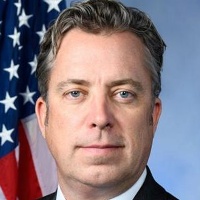
Andrew Ogles
Representative
TN
Andrew Ogles
Representative
TN
This resolution formally initiates impeachment proceedings against U.S. District Judge Theodore Chuang for alleged "high crimes and misdemeanors." The House accuses the judge of overstepping executive authority by issuing a court order that allegedly compromised national security interests related to USAID operations. This action transfers the case to the Senate for trial regarding the judge's removal from office.
This bill prohibits the sale or sharing of genetic information obtained from commercial DNA testing services with the People's Republic of China.
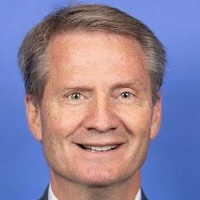
Tim Burchett
Representative
TN
Tim Burchett
Representative
TN
The American Genetic Privacy Act of 2025 prohibits the sale or disclosure of covered genetic information obtained from commercial DNA testing services to the People's Republic of China or entities it controls. This measure is designed to safeguard personal genetic data from being transferred to China. The Federal Trade Commission (FTC) is tasked with enforcing this prohibition as an unfair or deceptive business practice.
This bill impeaches Chief Judge James E. Boasberg for allegedly abusing his power to obstruct the President's enforcement of immigration laws related to a designated terrorist organization.
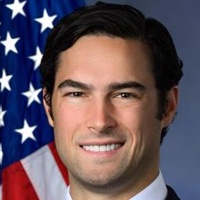
Brandon Gill
Representative
TX
Brandon Gill
Representative
TX
This bill impeaches Judge James E. Boasberg, Chief Judge for the District of Columbia, for high crimes and misdemeanors. The impeachment accuses Boasberg of abusing judicial power for political gain by obstructing the President's authority to remove aliens associated with a designated Foreign Terrorist Organization. Boasberg is accused of interfering with the President's enforcement of laws, jeopardizing national safety, and undermining the separation of powers. The bill seeks his removal from office.
The Fair and Open Competition Act of 2025 prohibits the federal government from requiring or penalizing bidders or contractors on federally funded construction projects based on their agreement or non-agreement with labor unions.
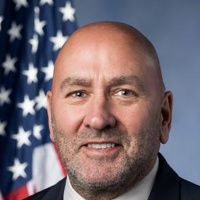
Clay Higgins
Representative
LA
Clay Higgins
Representative
LA
The Fair and Open Competition Act of 2025 ensures fair competition on federally funded construction projects by prohibiting the government from requiring or penalizing bidders based on union agreements. This legislation aims to keep federal agencies neutral in labor relations while promoting cost savings and opening opportunities for all businesses. Exceptions to this neutrality rule are strictly limited to specific public health, safety, or national security emergencies.
The "Delphi Retirees Pension Restoration Act" restores full pension benefits to eligible Delphi retirees and beneficiaries, compensating for past underpayments with interest, using existing funds and allowing for favorable tax treatment of lump-sum payments.
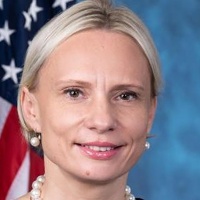
Victoria Spartz
Representative
IN
Victoria Spartz
Representative
IN
The Delphi Retirees Pension Restoration Act aims to restore the full pension benefits to eligible participants and beneficiaries under specific terminated pension plans, such as the Delphi Hourly-Rate Employees Pension Plan. It mandates the recalculation of benefits to match the full vested plan benefit, provides for lump-sum payments to cover past underpayments with interest, and funds these increased benefits through existing resources. The bill also includes provisions for the tax treatment of these payments, allowing recipients to spread the income over three years.
Prohibits federal funding to the United Nations' immigration and refugee relief organizations IOM, UNHCR, and UNRWA, and requires a study and audit of past funding.
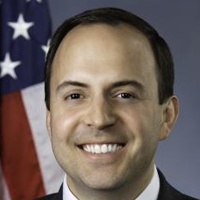
Lance Gooden
Representative
TX
Lance Gooden
Representative
TX
The "No Tax Dollars for the United Nations Immigration Invasion Act" prohibits the U.S. government from financially contributing to the United Nations International Organization for Migration (IOM), the United Nations High Commissioner for Refugees (UNHCR), and the United Nations Relief and Works Agency for Palestine Refugees in the Near East (UNRWA). It also mandates a study by the Comptroller General to identify all federal assistance programs that provide funds to these organizations, detailing amounts, restrictions, and potential repayments, as well as an audit of the Department of State’s Refugee Travel Loan Program. A report summarizing the study and audit results must be submitted to Congress within 180 days of the Act's enactment.
The "New Health Options Act of 2025" aims to lower health insurance premiums and promote more transparent pricing by establishing a reinsurance program, allowing out-of-network costs to count towards deductibles under certain conditions, and requiring providers to disclose lower prices to insured patients when applicable.
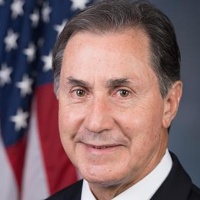
Gary Palmer
Representative
AL
Gary Palmer
Representative
AL
The "New Health Options Act of 2025" aims to lower health insurance premiums and promote access to affordable care. It establishes a reinsurance program to help insurers cover high-cost claims, allows out-of-network costs to count towards deductibles under certain conditions, and requires providers to disclose when a patient's out-of-pocket cost is higher than the cash price. The bill also allows insurers to opt out of the single risk pool, and when they do, removes the standard limits on how much premiums can vary based on age.
This resolution disapproves and nullifies the Environmental Protection Agency’s rule regarding the withdrawal of a technical amendment to Ohio's air quality plan.
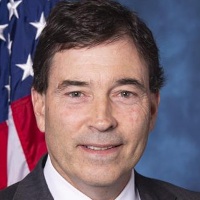
Troy Balderson
Representative
OH
Troy Balderson
Representative
OH
This resolution invokes the Congressional Review Act to formally disapprove and nullify a recent Environmental Protection Agency rule regarding air plan approvals in Ohio. By passing this measure, Congress ensures the specified EPA technical amendment will have no further force or effect.
The "FARM Act of 2025" restricts tax credits for renewable energy production, specifically solar and wind, on agricultural land used by public utilities.
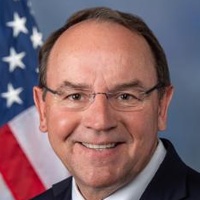
Thomas Tiffany
Representative
WI
Thomas Tiffany
Representative
WI
The FARM Act of 2025 restricts federal tax credits for renewable energy production, specifically solar and wind facilities, when placed on agricultural land by public utilities. This act amends the Internal Revenue Code to deny these credits, aiming to preserve agricultural land.
To award a Congressional Gold Medal to the 761st Tank Battalion, the first Black soldiers to serve in an American armored unit, for their valor and crucial contributions to the Allied victory in Europe.
Gary Palmer
Representative
AL
Gary Palmer
Representative
AL
This bill authorizes the Speaker of the House and the President pro tempore of the Senate to award a Congressional Gold Medal to the 761st Tank Battalion, also known as the "Black Panthers," in recognition of their courageous service and crucial contributions during World War II. The medal will be given to the National Museum of African American History and Culture for display, honoring the 761st as the first Black soldiers to serve in an American armored unit and their significant role in the Allied victory in Europe. The bill also allows for the creation and sale of bronze duplicates of the medal to support the United States Mint Public Enterprise Fund.
The REPAIR Act ensures vehicle owners and independent repair shops have access to vehicle data and repair information, promoting competition and protecting data privacy in the auto repair industry.
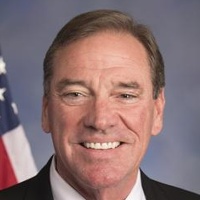
Neal Dunn
Representative
FL
Neal Dunn
Representative
FL
The "Right to Equitable and Professional Auto Industry Repair Act" or the "REPAIR Act" ensures vehicle owners and independent repair shops have access to necessary vehicle data, repair information, and tools, preventing manufacturers from creating barriers to repairs. It establishes an advisory committee to address competition issues in the auto repair industry and mandates that car buyers are informed of their rights to choose repair options. The Federal Trade Commission (FTC) is empowered to enforce the Act, protecting consumers from unfair restrictions on vehicle repair and ensuring control over their vehicle data.
The America Works Act of 2025 amends the Food and Nutrition Act of 2008 to modify exemptions from work requirements for SNAP benefits and allows waivers in high-unemployment areas.
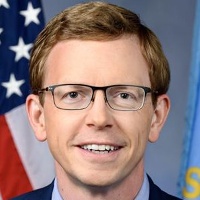
Dusty Johnson
Representative
SD
Dusty Johnson
Representative
SD
The America Works Act of 2025 amends the Food and Nutrition Act of 2008 to provide exemptions from work requirements for specific individuals, including those under 18 or over 65, medically unfit individuals, and parents of young children. It also allows the Secretary to waive certain requirements in counties with high unemployment rates, based on state agency requests. Additionally, the act removes a subsection from the Fiscal Responsibility Act of 2023.
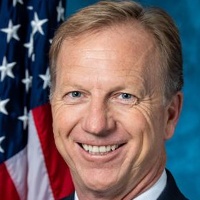
The "Protecting Life from Chemical Abortions Act" restricts the Department of Health and Human Services (including the FDA) from reducing Risk Evaluation and Mitigation Strategy (REMS) protections for abortion drugs and mandates the collection of standardized abortion data.
Kevin Hern
Representative
OK
Kevin Hern
Representative
OK
The "Protecting Life from Chemical Abortions Act" restricts the Department of Health and Human Services and the FDA, requiring them to enforce Risk Evaluation and Mitigation Strategy (REMS) requirements for abortion drugs, reinstate the in-person dispensing requirement, and prohibits reducing REMS protections until standardized abortion data is collected by the CDC from every state. It also defines key terms such as "abortion," "abortion drug," and "unborn child" and prohibits the HHS secretary from declaring a public health emergency with respect to abortion.
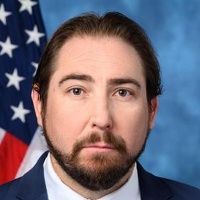
This resolution initiates impeachment proceedings against U.S. District Judge Paul A. Engelmayer for alleged high crimes, misdemeanors, and judicial misconduct.
Eli Crane
Representative
AZ
Eli Crane
Representative
AZ
This resolution initiates impeachment proceedings against United States District Judge Paul A. Engelmayer for high crimes and misdemeanors. The bill alleges that Judge Engelmayer abused his judicial authority and demonstrated political bias through specific rulings that restricted executive branch access to Department of the Treasury data. Consequently, the resolution seeks his removal from office for violating his oath and compromising the impartiality of the judiciary.
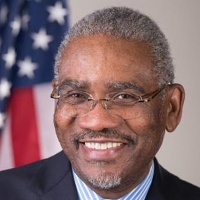
This bill repeals the 1991 and 2002 authorizations for the use of military force against Iraq.
Gregory Meeks
Representative
NY
Gregory Meeks
Representative
NY
This bill repeals the 1991 Authorization for Use of Military Force Against Iraq Resolution and the 2002 Authorization for Use of Military Force Against Iraq Resolution, formally ending the legal basis for military actions in Iraq under these authorizations.
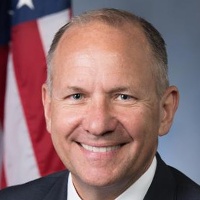
The "ENABLE Act" permanently extends provisions that increase contributions to ABLE accounts, include ABLE contributions in retirement savings calculations, and allow penalty-free rollovers from 529 education savings accounts to ABLE accounts.
Lloyd Smucker
Representative
PA
Lloyd Smucker
Representative
PA
The ENABLE Act permanently extends provisions that allow for increased contributions to ABLE accounts, which are savings accounts for individuals with disabilities. It also allows penalty-free rollovers from 529 education savings accounts to ABLE accounts, providing greater flexibility in financial planning for families and individuals with disabilities. Additionally, the act includes contributions made to an ABLE account when calculating retirement savings contributions.
Removes federal immunity for COVID-19 vaccine manufacturers, allowing individuals to sue for vaccine-related losses, while preserving access to existing compensation programs.

Chip Roy
Representative
TX
Chip Roy
Representative
TX
The LIABLE Act removes federal immunity and liability limitations for COVID-19 vaccine manufacturers, allowing individuals to sue for losses caused by the vaccines. Individuals can still seek compensation through existing federal programs, and doing so does not prevent civil action. This applies to any COVID-19 vaccine licensed or authorized by the FDA and is retroactive.
This resolution expresses Congressional opposition to imposing new performance fees or royalties on local radio stations and businesses for broadcasting or playing music.
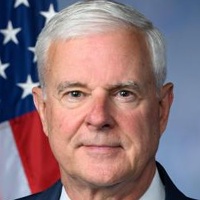
Steve Womack
Representative
AR
Steve Womack
Representative
AR
The Local Radio Freedom Act expresses Congressional opposition to imposing new performance fees, taxes, or royalties on local radio stations and businesses for playing music. It argues that the current system of free airplay provides essential promotional value to artists and that new fees would threaten the financial viability of local broadcasters and the vital community services they provide.
This bill eliminates federal regulations requiring flame mitigation devices and child-resistance standards for portable gas containers.
Chip Roy
Representative
TX
Chip Roy
Representative
TX
The "Gas Can Freedom Act of 2025" repeals the Portable Fuel Container Safety Act of 2020 and the Children's Gasoline Burn Prevention Act, eliminating regulations regarding flame mitigation devices and child-resistance standards for portable gasoline containers. It prohibits the Consumer Product Safety Commission from reinstating similar regulations.
The Susan Muffley Act of 2025 ensures full pension benefits for eligible participants and beneficiaries under specific terminated pension plans, recalculating benefits, providing lump-sum payments for past-due amounts, and establishing a trust fund to cover increased benefit payments.
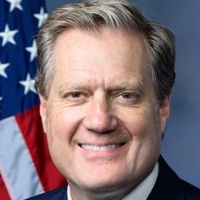
Michael Turner
Representative
OH
Michael Turner
Representative
OH
The Susan Muffley Act of 2025 ensures that eligible participants and beneficiaries under specific pension plans, like the Delphi and PHI retirement programs, receive their full vested benefits. It directs the Pension Benefit Guaranty Corporation (PBGC) to recalculate benefits, provide lump-sum payments for past-due amounts with interest, and establishes a trust fund within the Treasury to cover these increased payments. The act also includes provisions for the tax treatment of lump-sum payments, allowing recipients to spread the income over three years unless they elect otherwise.