This bill establishes reporting requirements and a process for designating successor entities and affiliates of the Wagner Group as terrorist organizations and imposing sanctions.
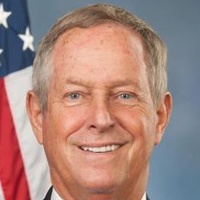
Joe Wilson
Representative
SC-2
The HARM Act 2.0 addresses the continued threat posed by successor entities to the Wagner Group, which Congress finds are now integrated into the Russian Ministry of Defense. This bill mandates the Secretary of State to report on these successor groups, including the Africa Corps, and individuals who direct them. Ultimately, the legislation establishes a process for the executive branch to designate these entities as terrorist organizations and apply appropriate U.S. sanctions.
HARM Act 2.0 Targets Russian Mercenary Successors with Terrorist Designations and Sanctions
The HARM Act 2.0 is a direct response to the rebranding of the Wagner Group following the death of its leader, Yevgeniy Prigozhin. The bill officially declares that the Wagner Group and its successor entities—now operating under names like Africa Corps and Redut—are foreign terrorist organizations. It mandates that the U.S. government treat these groups not just as rogue contractors, but as a coordinated threat to national security, requiring the Secretary of State to identify every affiliate, leader, and spin-off group currently working under the Russian Ministry of Defense. Within 90 days of the initial reporting process, the bill requires the Treasury and State Departments to slap these individuals and entities with full-scale sanctions, effectively freezing their access to the global financial system.
Cleaning Up the Rebrand
In the real world, this bill is designed to stop a 'shell game' where a sanctioned group simply changes its name to keep doing business. For example, if a paramilitary group rebranded as a private security firm to secure a gold mining contract in Africa or a logistics deal in Latin America, this law requires the State Department to track that lineage and shut down their bank accounts regardless of the new logo. By specifically naming groups like the Africa Corps in Section 3, the bill ensures that the Russian Ministry of Defense can't bypass existing sanctions just by absorbing Wagner personnel into new units. For people working in international trade or finance, this means a much higher standard for 'knowing your customer,' as the list of prohibited partners is set to grow significantly.
Keeping Tabs on the Shadow War
The legislation sets up a permanent watchdog system, requiring an annual deep dive into where these mercenaries are operating and how they’re getting paid. This isn't just a one-time report; it’s a five-year commitment to track human rights abuses and financial networks in places like Venezuela and across the Middle East. While the bill is thorough, its 'medium' level of vagueness regarding what counts as 'operations consistent with Wagner Group activities' means the government has a lot of leeway. This flexibility helps catch bad actors who are trying to hide, but it also means the list of sanctioned entities could expand quickly based on internal State Department interpretations. For the average person, this bill likely won't change your daily commute, but it’s a major move to ensure that the groups accused of atrocities abroad can't use the U.S. financial system to fund their next move.