This act prohibits the use of images of living elected officials or political figures on the National Parks and Federal Recreational Lands Pass.
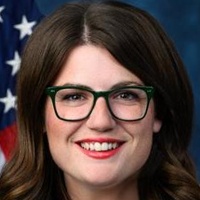
Sarah Elfreth
Representative
MD-3
This bill, the Prohibit Partisan Park Passes Act, amends existing law to restrict the imagery allowed on the National Parks and Federal Recreational Lands Pass. Specifically, it prohibits the use of images of any living current or former elected official or living political figure on the pass.
New National Park Pass Rules Ban Images of Living Politicians Starting Immediately
The Prohibit Partisan Park Passes Act is a straightforward piece of legislation that changes exactly one thing: the look of your National Parks and Federal Recreational Lands Pass. By amending Section 805(a)(2) of the Federal Lands Recreation Enhancement Act, the bill explicitly prohibits the use of any image featuring a living current or former elected official, or any other living political figure, on the physical pass. Whether you’re a weekend hiker or a full-time RVer, this means your annual pass will likely stick to photos of Half Dome or the Everglades rather than a politician’s portrait.
Keeping Politics Out of the Woods
The core of this bill is about depoliticizing the way we access federal lands. In the past, the imagery on these passes was left to the discretion of federal agencies, but this new rule creates a hard boundary. For a regular person grabbing a pass at a ranger station, the change is purely aesthetic. You won't have to worry about whether your wallet is making a political statement just because you wanted to see the Grand Canyon. By removing living figures from the equation, the bill ensures that the pass remains a neutral tool for recreation rather than a promotional platform for whoever is currently in office.
What This Means for Your Wallet and Your Visit
Because the bill is so specific (Vagueness Level: Low), there isn’t much room for bureaucratic confusion. It doesn’t change the price of the pass, which currently sits at $80 for most adults, nor does it change which lands you can access. If you’re a small business owner running a guide service or a family planning a road trip, the rollout should be seamless. The National Park Service will simply have to select landscapes, historical sites, or perhaps deceased historical figures for future print runs. It’s a rare example of a bill that does exactly what it says on the tin without hidden fees or complex compliance hurdles for the public.