Legislative Activity
Track Steve's sponsored bills, co-sponsored legislation, and voting record
This act removes the White House and its grounds from a specific list of protected properties under existing historic preservation law.
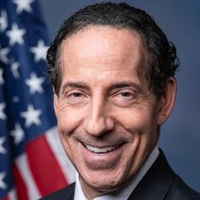
Jamie Raskin
Representative
MD
Jamie Raskin
Representative
MD
The People's White House Historic Preservation Act removes the White House and its grounds from a specific list of properties under current preservation law. This action reclassifies the status of the White House regarding federal historic preservation regulations.
This act restricts senior government officials and their families from owning or trading specific investments, requiring divestment of existing holdings to restore public trust.
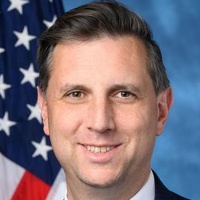
Seth Magaziner
Representative
RI
Seth Magaziner
Representative
RI
The Restore Trust in Government Act establishes strict new federal restrictions on senior government officials and their immediate families regarding the ownership and trading of specific financial investments. Covered individuals must divest existing investments that fall under the law's definition within a set timeframe, with limited exceptions. Violators face significant financial penalties, including a 10% fee on the investment value and disgorgement of any profits earned from prohibited transactions.
This bill authorizes Congress to award Congressional Gold Medals to the 1980 U.S. Men's Olympic Ice Hockey team for their historic "Miracle on Ice" victory.
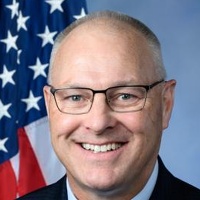
Pete Stauber
Representative
MN
Pete Stauber
Representative
MN
This bill, the Miracle on Ice Congressional Gold Medal Act, officially authorizes Congress to award Congressional Gold Medals to the 1980 U.S. Men's Olympic Ice Hockey Team for their historic "Miracle on Ice" victory. The medals will be struck by the Treasury and permanently displayed at specific national sports museums. The Act also permits the sale of duplicate bronze medals to cover production costs.
This act nullifies a recent Executive Order regarding federal labor relations and ensures existing collective bargaining agreements remain in effect.

Jared Golden
Representative
ME
Jared Golden
Representative
ME
The Protect America's Workforce Act nullifies a specific Executive Order issued in March 2025 concerning exclusions from federal labor-management relations programs. This legislation ensures that any existing collective bargaining agreements between federal agencies and employee unions remain fully in effect until their stated expiration dates. The Act also prohibits the use of federal funds to implement the overturned Executive Order.
This bill establishes new payment standards, rebate requirements, and anti-steering rules for Pharmacy Benefit Managers in Medicare and Medicaid while increasing transparency in Medicaid drug price reporting.
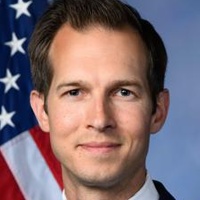
Jake Auchincloss
Representative
MA
Jake Auchincloss
Representative
MA
This bill establishes new federal requirements for Pharmacy Benefit Managers (PBMs) contracting with Medicare Part D and Medicaid plans, effective in 2027. It mandates specific payment standards for pharmacies, requires PBMs to pass manufacturer rebates directly to patients and plan sponsors, and strictly prohibits steering patients toward specific pharmacies. Additionally, the legislation enhances transparency by expanding drug price reporting requirements for all types of pharmacies within the Medicaid program.
This act restores access to professional degrees by amending the Higher Education Act to remove specific annual and aggregate loan limits for graduate and professional students.

Ritchie Torres
Representative
NY
Ritchie Torres
Representative
NY
The Professional Degree Access Restoration Act amends the Higher Education Act to eliminate specific annual and aggregate loan limits for Federal Direct PLUS Loans made to graduate and professional students. This action removes previous restrictions on the maximum amount graduate students can borrow through these federal loan programs.
This bill establishes a mandatory national ranked choice voting system for all federal elections for U.S. Senators and Representatives, while providing federal funding for implementation and prohibiting subsequent runoff elections.
Jamie Raskin
Representative
MD
Jamie Raskin
Representative
MD
This bill establishes a national requirement for all U.S. Senate and House elections to use a ranked choice voting system, replacing traditional runoff elections. It mandates specific ballot designs, sets out a multi-round vote tabulation process, and prohibits separate runoff elections for federal offices. The legislation also provides federal funding to states to help implement these changes, which take effect for elections held on or after January 1, 2030.
This act increases the annual and aggregate loan limits for Federal Direct Unsubsidized Stafford Loans for graduate and professional students, effective July 1, 2026.
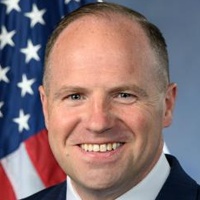
Timothy Kennedy
Representative
NY
Timothy Kennedy
Representative
NY
The Loan Equity for Advanced Professionals Act raises the federal student loan limits for graduate and professional students. Effective July 1, 2026, the annual borrowing limit for Federal Direct Unsubsidized Stafford Loans will increase to \$50,000, and the aggregate limit will rise to \$200,000. This aims to provide greater financial support for advanced degree candidates.
This resolution commends state and local governments for championing reproductive rights as human rights while condemning abortion restrictions and criminalization following the *Dobbs* decision.
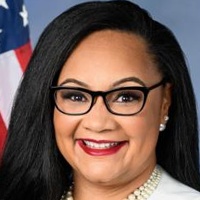
Nikema Williams
Representative
GA
Nikema Williams
Representative
GA
This concurrent resolution commends state and local governments for championing reproductive rights as human rights following the overturning of *Roe v. Wade*. It declares that denying abortion care leads to severe health risks and highlights the criminalization of pregnancy outcomes across the U.S. The resolution urges states to repeal abortion restrictions and affirm that reproductive rights are fundamental human rights.
This bill officially renames the United States Postal Service facility at 300 Macedonia Lane in Knoxville, Tennessee, as the Reverend Harold Middlebrook Post Office Building.
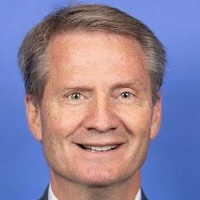
Tim Burchett
Representative
TN
Tim Burchett
Representative
TN
This bill officially renames the United States Postal Service facility located at 300 Macedonia Lane in Knoxville, Tennessee. The facility will now be known as the Reverend Harold Middlebrook Post Office Building. This designation will be used in all future federal references to the building.
This act establishes a special registration process allowing physicians to administer certain unapproved, Schedule I investigational drugs to terminally ill patients under Right to Try laws.

Madeleine Dean
Representative
PA
Madeleine Dean
Representative
PA
The Freedom to Heal Act of 2025 establishes a special registration process for physicians to administer certain unapproved, experimental Schedule I investigational drugs to terminally ill patients under existing "Right to Try" laws. This process, overseen by the Attorney General, requires physicians to meet specific criteria regarding state compliance, manufacturer agreements, and drug handling to prevent diversion. The Act mandates a swift approval timeline for these applications, enabling terminally ill patients greater access to promising treatments.
The HELP Copays Act mandates that financial assistance from non-profits and drug manufacturers must count toward a patient's deductible, copay, and out-of-pocket maximum for prescription drugs.
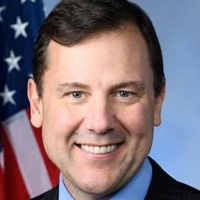
Thomas Kean
Representative
NJ
Thomas Kean
Representative
NJ
The HELP Copays Act requires that financial assistance provided by non-profit organizations and drug manufacturers must count toward a patient's deductible, copayments, and out-of-pocket maximums for prescription drugs. This change ensures that patient assistance dollars directly reduce the amount a patient must pay before their coverage fully kicks in. The legislation specifically applies to specialty drugs and those subject to utilization management. These provisions will take effect for plan years beginning on or after January 1, 2026.
This bill establishes a National Center for Advanced Development in Education to promote educational breakthroughs and creates a competitive grant program to improve statewide longitudinal data systems.

Suzanne Bonamici
Representative
OR
Suzanne Bonamici
Representative
OR
The New Essential Education Discoveries Act of 2025 establishes a National Center for Advanced Development in Education to research and promote breakthrough solutions in teaching and learning based on the science of learning. The bill also authorizes competitive grants for states to design, develop, and improve comprehensive statewide longitudinal data systems linking education and workforce data. These provisions aim to accelerate educational innovation and enhance data-driven decision-making to improve student outcomes.
This bill establishes a 20% excise tax, dubbed the "ROBINHOOD Act," on certain secured business loans taken out by high-income individuals (AGI over $400,000).

Dan Goldman
Representative
NY
Dan Goldman
Representative
NY
The ROBINHOOD Act establishes a new 20 percent excise tax on certain secured business loans and lines of credit exceeding $400,000 in adjusted gross income. This tax applies when the loan is secured by capital assets, excluding residential mortgages and farmland loans. The borrower is responsible for paying this annual tax to the Treasury.
This bill mandates a report on the feasibility of using emerging technologies to enhance internet freedom in Iran.
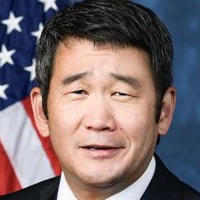
Dave Min
Representative
CA
Dave Min
Representative
CA
The Feasibility Review of Emerging Equipment for Digital Open Media Act (FREEDOM Act) mandates the Secretary of State to report on internet freedom in Iran. This report must assess the feasibility of using emerging technologies, like direct-to-cell wireless, to expand internet access. It will also analyze the impact of current drone and jamming technologies on these efforts.
The Dignity for Detained Immigrants Act establishes comprehensive standards, rigorous oversight, and new custody procedures to ensure humane treatment and due process for all noncitizens detained by the Department of Homeland Security, while phasing out for-profit detention facilities.

Pramila Jayapal
Representative
WA
Pramila Jayapal
Representative
WA
The Dignity for Detained Immigrants Act aims to overhaul immigration detention by establishing mandatory, high standards based on ABA guidelines and increasing transparency through rigorous, unannounced inspections. The bill prohibits the use of private, for-profit detention facilities within three years and ends the mandatory detention of most noncitizens, prioritizing release or community-based alternatives. Furthermore, it establishes new due process rights, including timely custody hearings, a presumption of release, and prohibitions on detaining children or using solitary confinement.
The No Robot Bosses Act regulates the use of automated decision systems in employment by requiring impact assessments, transparency notices, and a right to human review for covered individuals.
Suzanne Bonamici
Representative
OR
Suzanne Bonamici
Representative
OR
The No Robot Bosses Act regulates the use of automated decision systems (ADS) in employment-related decisions, requiring employers to conduct impact assessments and provide notice and human review rights to covered individuals. The bill establishes the Technology and Worker Protection Division within the Department of Labor to oversee enforcement, which includes creating a private right of action for violations. Furthermore, it prohibits employers from making final employment decisions solely based on an ADS output unless rigorous testing, validation, and human corroboration occur.
This act permanently establishes Tennessee's Medicaid disproportionate share hospital (DSH) funding allocation starting in fiscal year 2026, treating the state as a low DSH state thereafter.

Diana Harshbarger
Representative
TN
Diana Harshbarger
Representative
TN
This act establishes a permanent, fixed Medicaid Disproportionate Share Hospital (DSH) funding allocation for Tennessee beginning in fiscal year 2026, based on its 2015 allotment. The funding amount will increase annually based on the consumer price index. Furthermore, the bill designates Tennessee as a "low DSH state" for all fiscal years after 2026.
This bill withdraws Oak Flat from mineral entry and cancels the land exchange to prevent foreign mining operations by Resolution Copper.
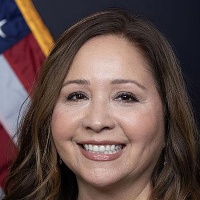
Adelita Grijalva
Representative
AZ
Adelita Grijalva
Representative
AZ
This bill, the Save Oak Flat from Foreign Mining Act, withdraws approximately 2,422 acres of Forest Service land known as Oak Flat in Arizona from all forms of mineral entry and development. It specifically cancels the prior land exchange that would have transferred the land to Resolution Copper Mining, LLC. The Act prohibits the transfer of Oak Flat to the foreign-backed mining venture, citing national security and environmental concerns.
This act rescinds significant immigration enforcement funding while establishing multiple new tax credits aimed at increasing housing affordability for first-time buyers, builders of starter homes, and renters, alongside incentives for converting commercial buildings into affordable housing.
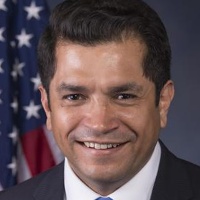
Jimmy Gomez
Representative
CA
Jimmy Gomez
Representative
CA
The Make Housing Affordable and Defend Democracy Act aims to increase housing accessibility through several tax incentives while simultaneously rescinding significant funding previously allocated for immigration enforcement. Key provisions establish new tax credits for first-time homebuyers, builders of starter homes, and the conversion of commercial buildings into affordable rentals. Additionally, the bill introduces a Renter Tax Credit for those spending over 30% of their income on rent, with an option for monthly advance payments.