Legislative Activity
Track Andy's sponsored bills, co-sponsored legislation, and voting record
This bill establishes a mandatory supply fee paid by Medicare drug plans to long-term care pharmacies for specific prescriptions in 2026 and 2027, while also mandating a GAO study on the financial sustainability of the current payment system.
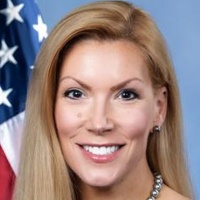
Beth Van Duyne
Representative
TX
Beth Van Duyne
Representative
TX
This Act establishes a mandatory supply fee for Medicare drug plans to pay long-term care pharmacies for specific prescriptions dispensed in 2026 and 2027. The bill mandates a $30 fee per prescription in 2026, increasing in 2027, with penalties for non-payment. Additionally, the GAO is required to study the financial sustainability of the current payment structure for these essential pharmacies. This legislation aims to ensure continued access to medications for patients in long-term care settings.
This act mandates that the Veterans Health Administration expand its informed consent requirements to specifically cover the prescription of antipsychotics, stimulants, antidepressants, anxiolytics, and narcotics.

Gus Bilirakis
Representative
FL
Gus Bilirakis
Representative
FL
The Written Informed Consent Act mandates that the Veterans Health Administration (VHA) expand its informed consent directives to specifically cover several classes of medications, including antipsychotics, stimulants, antidepressants, anxiolytics, and narcotics. This ensures veterans receive a thorough understanding of these prescribed drugs. The Secretary of Veterans Affairs must update VHA Directive 1005 to reflect these expanded requirements.
The CREATE Act increases the spending limits and extends the expiration date for tax benefits related to qualified productions.
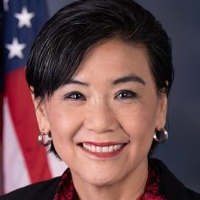
Judy Chu
Representative
CA
Judy Chu
Representative
CA
The CREATE Act, or Creative Relief and Expensing for Artistic Entertainment Act, modifies tax rules for qualified productions by significantly increasing the allowable spending limits for certain tax benefits. This legislation also introduces automatic inflation adjustments for these dollar amounts starting in 2027. Furthermore, the bill extends the expiration date for these beneficial tax provisions from the end of 2025 to the end of 2030.
The SCORE Act protects student athlete Name, Image, and Likeness (NIL) rights while establishing agent regulations, mandating enhanced institutional support for athletes at highly compensated schools, and clarifying the regulatory scope of national athletic associations.
Gus Bilirakis
Representative
FL
Gus Bilirakis
Representative
FL
The Student Compensation and Opportunity through Rights and Endorsements (SCORE) Act establishes federal standards for student-athlete Name, Image, and Likeness (NIL) rights, allowing athletes to profit from endorsements while setting specific rules for agents and institutional compensation. The bill mandates enhanced support services, medical guarantees, and scholarship protections for athletes at high-revenue institutions. Furthermore, it grants states enforcement power over NIL violations and shields compliance actions from antitrust liability, while clarifying that student-athletes are not automatically considered employees.
This bill reforms the FDIC Board of Directors by changing appointment requirements, adding the CFPB Director as a non-voting observer, and imposing stricter term limits for directors.
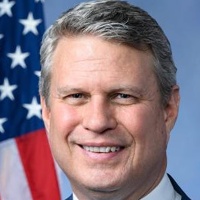
Bill Huizenga
Representative
MI
Bill Huizenga
Representative
MI
The FDIC Board Accountability Act modifies the structure and tenure of the FDIC Board of Directors. It mandates specific experience requirements for four Presidentially-appointed members and limits total service to twelve years per individual. Additionally, the Director of the Bureau of Consumer Financial Protection will now attend Board meetings as a non-voting observer.
This Act limits the Consumer Financial Protection Bureau's authority over entities already regulated by state insurance regulators concerning their insurance business activities.
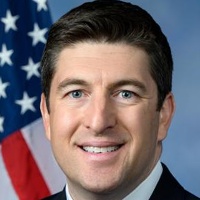
Bryan Steil
Representative
WI
Bryan Steil
Representative
WI
The Business of Insurance Regulatory Reform Act of 2025 clarifies the authority of the Consumer Financial Protection Bureau (CFPB) concerning entities already regulated by state insurance departments. This bill limits the CFPB's ability to enforce federal consumer protection laws against state-regulated entities acting within the business of insurance. The legislation prioritizes and supports the enforcement power of state insurance regulators over the CFPB in these specific areas.
This bill amends the Family and Medical Leave Act to explicitly qualify time taken for an employee's own organ donation surgery as a serious health condition.
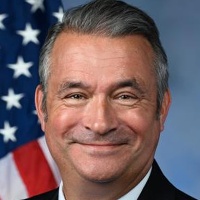
Don Bacon
Representative
NE
Don Bacon
Representative
NE
This bill amends the Family and Medical Leave Act (FMLA) to explicitly clarify that time taken off for an employee's own organ donation surgery qualifies as a serious health condition. This ensures both private and federal sector workers receive FMLA protection for recovery from organ donation. The legislation also specifies how federal employees must substitute existing paid leave when taking FMLA time for this purpose.
This Act prohibits insurance companies from discriminating against living organ donors when issuing life, disability, or long-term care policies and mandates the updating of educational materials regarding donation risks and insurance implications.
Don Bacon
Representative
NE
Don Bacon
Representative
NE
The Living Donor Protection Act of 2025 prohibits life, disability, and long-term care insurance companies from denying coverage or increasing premiums solely because an individual is a living organ donor. This legislation ensures that living donors are not financially penalized for their altruistic act. Additionally, the bill requires the Secretary of HHS to update educational materials to accurately reflect the insurance protections afforded to living donors.
This bill amends federal law to include violations related to rioting within the definition of racketeering activity.
Beth Van Duyne
Representative
TX
Beth Van Duyne
Representative
TX
This bill amends federal law to explicitly include violations related to rioting within the definition of "racketeering activity." By adding this specific crime to the list under Title 18, Section 1961(1), the legislation makes participation in such activities subject to serious federal racketeering charges. This change treats rioting violations similarly to other established offenses like bribery or extortion for the purposes of federal prosecution.
This bill directs the U.S. Postal Service to assign single, unique ZIP Codes to 66 specific communities across the nation.
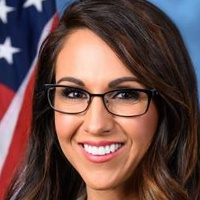
Lauren Boebert
Representative
CO
Lauren Boebert
Representative
CO
This bill directs the United States Postal Service (USPS) to assign a single, unique ZIP Code to 66 specific communities across numerous states. The USPS is required to complete this designation process within 270 days of the law's enactment. This measure aims to ensure these designated towns and areas each have their own distinct postal code.
This Act prohibits the Federal Reserve from directly or indirectly issuing a Central Bank Digital Currency (CBDC) and bars the Fed from developing or using one for monetary policy without explicit Congressional authorization.
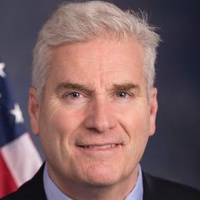
Tom Emmer
Representative
MN
Tom Emmer
Representative
MN
The Anti-CBDC Surveillance State Act strictly prohibits the Federal Reserve from directly or indirectly issuing a Central Bank Digital Currency (CBDC) to individuals. This legislation prevents the Fed from developing, testing, or implementing any digital currency that functions as a direct liability of the Federal Reserve. Furthermore, Congress asserts that any authority to create such a digital asset must explicitly come from Congress itself.
This Act exempts commercial vehicles transporting livestock, insects, or aquatic animals from federal electronic logging device and hours of service regulations.
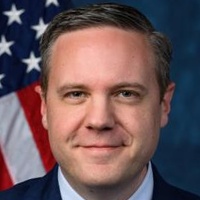
Jeff Hurd
Representative
CO
Jeff Hurd
Representative
CO
The Hauling Exemptions for Livestock Protection Act (HELP Act) exempts commercial drivers transporting livestock, insects, or aquatic animals from federal electronic logging device (ELD) requirements and hours of service regulations. This exemption applies whether the vehicle is loaded or traveling empty to pick up or return from a delivery. The goal is to provide flexibility for those involved in the transportation of live animals.
This Act prohibits lawsuits claiming discrimination based solely on the unintended, disproportionate statistical effect (disparate impact) of employment or housing practices.
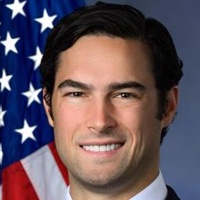
Brandon Gill
Representative
TX
Brandon Gill
Representative
TX
The Restoring Equal Opportunity Act aims to eliminate "disparate-impact liability" across major federal laws. This bill prohibits lawsuits claiming discrimination based solely on the unintended, disproportionate negative effect of a rule or practice. Consequently, it removes the ability to challenge employment and housing practices unless discriminatory intent can be proven. The Act also nullifies specific prior regulatory approvals related to civil rights enforcement.
The Equal Shot Act of 2025 prohibits the Small Business Administration from denying financial assistance to qualified applicants solely based on their involvement in the firearms industry.
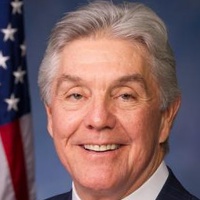
Roger Williams
Representative
TX
Roger Williams
Representative
TX
The Equal Shot Act of 2025 prohibits the Small Business Administration (SBA) from denying financial assistance to otherwise qualified applicants solely based on their involvement in the firearms industry. This legislation ensures that businesses defined as "firearm entities," their affiliates, or trade associations are not unfairly rejected for SBA loans or guarantees. The Act clearly defines these terms to prevent discrimination against businesses involved in manufacturing, selling, or servicing firearms and related accessories.
This Act authorizes livestock producers and their employees to take certain black vultures that threaten their livestock, with the exception of using poison, and requires annual reporting of such actions.
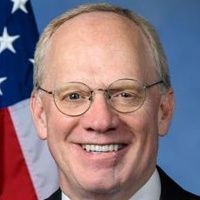
John Rose
Representative
TN
John Rose
Representative
TN
The Black Vulture Relief Act authorizes livestock producers and their employees to take action against black vultures that pose an imminent threat to their livestock. This permission overrides certain existing regulations but strictly prohibits the use of poison. Those who take vultures under this authority must submit an annual report to the U.S. Fish and Wildlife Service once the required reporting form is made available.
This bill mandates detailed reporting and public transparency for federal spending, enhances data sharing across agencies to prevent improper payments, and strengthens verification processes for government disbursements.
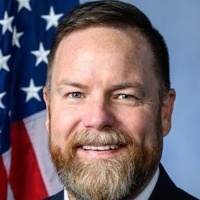
Aaron Bean
Representative
FL
Aaron Bean
Representative
FL
This bill mandates increased transparency and verification for all federal government spending by requiring agencies to report detailed payment information to the Treasury. It enhances program integrity by granting the Treasury access to new hire and tax data to prevent and recover improper payments. Agencies must also verify recipient bank accounts before disbursement, with exceptions allowed only for sensitive national security or law enforcement operations.
The Building Civic Bridges Act establishes an Office of Civic Bridgebuilding to fund and promote research-backed projects that reduce community division and strengthen social connection, using only donated funds.
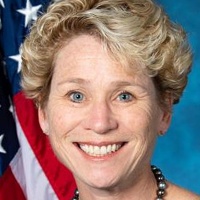
Chrissy Houlahan
Representative
PA
Chrissy Houlahan
Representative
PA
The Building Civic Bridges Act establishes a new Office of Civic Bridgebuilding within the National and Community Service Corporation to promote activities that unite divided communities. This Office will manage a competitive, research-backed grant program to fund local projects focused on reducing conflict and improving social cohesion. The Act mandates that the program be implemented using only donated funds, with no new federal appropriations authorized.
This act amends tax law to allow taxpayers to deduct wagering losses dollar-for-dollar against their wagering winnings, up to the full amount of those winnings.
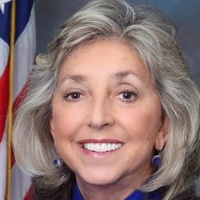
Dina Titus
Representative
NV
Dina Titus
Representative
NV
The FAIR Bet Act amends tax law to allow taxpayers to deduct wagering losses dollar-for-dollar against their wagering winnings, up to 100% of those winnings. This change modifies the previous limitation on deducting gambling losses. Essentially, it ensures that gambling losses can fully offset gambling income for tax purposes.
This act modernizes the Fairness to Contact Lens Consumers Act by requiring online sellers to accept electronic prescription transfers, mandating encrypted email for health information, and updating required seller contact information.
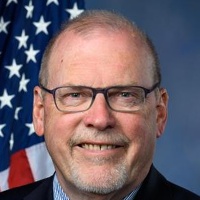
H. Griffith
Representative
VA
H. Griffith
Representative
VA
The Contact Lens Prescription Verification Modernization Act updates existing law to ensure consumers can easily obtain and use their contact lens prescriptions. This bill specifically requires online sellers to provide a HIPAA-compliant method for electronically receiving prescriptions and mandates encryption for any protected health information sent via email. Additionally, it updates seller record-keeping requirements to include customer email addresses.
This bill establishes specific discretionary spending limits for the federal government for fiscal years 2026 through 2029.
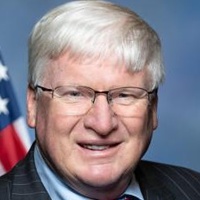
Glenn Grothman
Representative
WI
Glenn Grothman
Representative
WI
The Enforce the Caps Act establishes specific, increasing discretionary spending limits for the federal government for fiscal years 2026 through 2029. This legislation amends existing law to set firm budget authority caps for non-mandatory government programs over the next four years.