Legislation
This bill directs the President to withdraw U.S. Armed Forces from hostilities with presidentially designated terrorist organizations in the Western Hemisphere unless Congress authorizes the action.
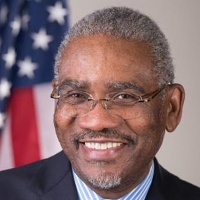
Gregory Meeks
Representative
NY
Gregory Meeks
Representative
NY
This bill directs the President to withdraw U.S. Armed Forces from hostilities involving designated terrorist organizations in the Western Hemisphere. Such withdrawal must occur unless Congress has explicitly authorized the military action through a declaration of war or a specific use of force authorization. The directive is issued under the authority of the War Powers Resolution.
The COACH Act mandates the creation and regular updating of a comprehensive Child Care Resource Guide by the Small Business Administration to assist small business child care providers with operations, finances, compliance, and quality.
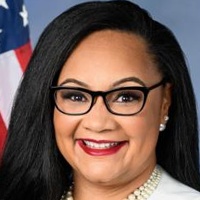
Nikema Williams
Representative
GA
Nikema Williams
Representative
GA
The COACH Act mandates the creation and regular updating of a comprehensive Child Care Resource Guide by the Small Business Administration. This guide will provide essential operational, financial, and compliance information specifically tailored for small businesses operating as child care providers. The Administrator must consult with relevant health and child care agencies before publishing the guide in English and the ten most commonly spoken languages in the U.S.
This bill reauthorizes and increases the annual funding authorization for the West Valley Demonstration Project from 2027 through 2037.
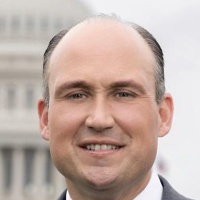
Nicholas Langworthy
Representative
NY
Nicholas Langworthy
Representative
NY
This bill seeks to reauthorize the West Valley Demonstration Project by significantly increasing its annual funding authorization. It raises the yearly funding limit from $\$75$ million (for 2020-2026) to $\$150$ million. This increased authorization is set to cover the fiscal years 2027 through 2037.
This bill mandates the VA to submit and implement a comprehensive plan to improve health care appointment scheduling for veterans through new technology and processes.
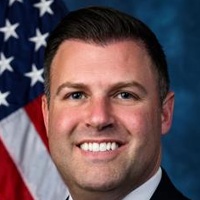
Ryan Mackenzie
Representative
PA
Ryan Mackenzie
Representative
PA
The Improving Veteran Access to Care Act requires the Department of Veterans Affairs (VA) to submit a comprehensive plan to Congress for improving health care appointment scheduling. This plan must detail necessary actions, resources, and timelines to enhance efficiency and patient experience. Key objectives include developing a system allowing both staff and patients to view available appointments and establishing a self-service platform for veterans to fully schedule, request referrals for, and manage their appointments online. The VA must fully implement this plan within a specified timeframe and report on its progress to Congress.
This Act repeals firearm-related provisions of the Bipartisan Safer Communities Act to restore constitutional protections under the Second Amendment.
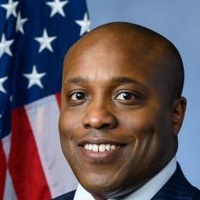
Wesley Hunt
Representative
TX
Wesley Hunt
Representative
TX
The Second Amendment Restoration Act of 2025 seeks to repeal firearm-related provisions enacted by the Bipartisan Safer Communities Act. This legislation asserts that those prior provisions placed unnecessary burdens on the Second Amendment rights of law-abiding citizens. By restoring prior federal statutes, the bill aims to refocus federal efforts on addressing the root causes of violence rather than restricting gun ownership.
This Act ensures that essential personnel of the Armed Forces and the FAA continue to receive their full pay and allowances during any lapse in government appropriations.
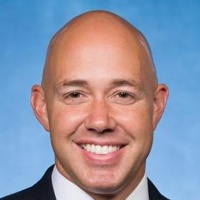
Brian Mast
Representative
FL
Brian Mast
Representative
FL
The Pay Our Patriots Act ensures that essential personnel in the Armed Forces and the Federal Aviation Administration (FAA) continue to receive their full pay and allowances during a lapse in regular government funding. This funding is automatically provided from the Treasury until regular appropriations are enacted or the end of the fiscal year. The Act mandates that the relevant Secretaries must disburse these payments as if funding had been timely provided.
This bill mandates comprehensive reporting on racial, ethnic, and gender disparities in military discharge reviews and VA disability benefits to promote equality for veterans.
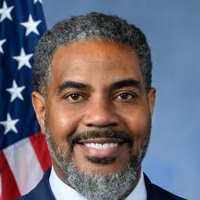
Steven Horsford
Representative
NV
Steven Horsford
Representative
NV
The Strengthening Transparent Reporting to Improve Veteran Equality Act of 2025 (STRIVE Act) aims to address racial, ethnic, and gender disparities in VA disability benefits. It mandates reports from the Government Accountability Office (GAO) and the Secretary of Veterans Affairs detailing historical data on service member discharges and benefit outcomes. These reports will be used to identify causes of disparity and implement a three-year plan to ensure equitable benefit receipt for all veterans.
This bill ensures service in Female Cultural Support Teams is credited for military records and veterans benefits, while also modifying VA housing loan fee expiration dates.
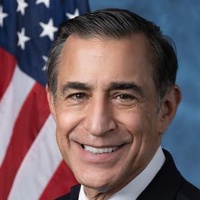
Darrell Issa
Representative
CA
Darrell Issa
Representative
CA
This bill ensures that service in specific Female Cultural Support Teams (CSTs) between 2010 and 2021 is officially recognized in military records and for veterans benefits. It mandates updating service records and requires the VA to treat this service as combat for disability claims purposes. Furthermore, the legislation requires the VA to conduct outreach regarding these benefits and mandates a study on similar unrecognized service.
This resolution expresses Congressional support for the Republic of Kazakhstan's accession to the Abraham Accords, recognizing the strategic and economic benefits for the region.
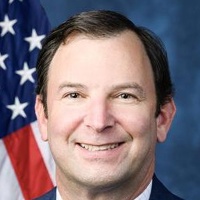
Craig Goldman
Representative
TX
Craig Goldman
Representative
TX
This resolution expresses strong Congressional support for the Republic of Kazakhstan's accession to the Abraham Accords, marking it as the first Central Asian nation to join. The bill highlights the strategic and economic benefits for participating nations, including investment, technology, and tourism. It encourages both Israel and Kazakhstan to deepen their bilateral ties and urges other nations to normalize relations with Israel. Ultimately, this measure supports the expansion of the Accords to promote regional peace and prosperity.
This resolution supports designating November 15, 2025, as "America Recycles Day" to promote recycling and advance the circular economy.

Haley Stevens
Representative
MI
Haley Stevens
Representative
MI
This resolution supports designating November 15, 2025, as "America Recycles Day" to raise national awareness about the importance of recycling and composting. It recognizes the significant economic and environmental contributions of the American recycling sector. The bill encourages public participation and reaffirms the commitment to investing in circular economy solutions.
This resolution immediately sets the expedited floor consideration process for House Bill 6039, waiving standard procedural objections and setting specific amendment and debate rules.
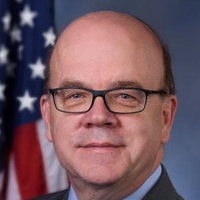
James McGovern
Representative
MA
James McGovern
Representative
MA
This resolution establishes the immediate consideration process for House Bill 6039, which aims to advance commonsense priorities. It waives standard procedural objections to expedite debate and a final vote on the bill. The process also includes specific rules for considering minority amendments and limits debate time before the final passage vote.
This resolution expresses support for designating November as Prematurity Awareness Month to highlight the urgent maternal and infant health crisis and the need to prevent preterm births.
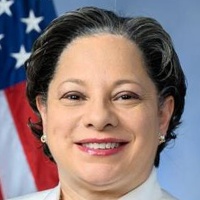
Jennifer McClellan
Representative
VA
Jennifer McClellan
Representative
VA
This resolution expresses support for designating November as Prematurity Awareness Month to highlight the ongoing maternal and infant health crisis in the U.S. It draws attention to alarming rates of preterm birth and unacceptable racial disparities in maternal and infant mortality. The bill advocates for increased investment in research and public health programs to prevent preterm births and reduce associated risk factors.
This bill grants permanent resident status to Maria Merida de Macario, waiving certain inadmissibility grounds upon timely application.
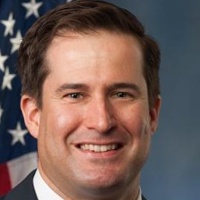
Seth Moulton
Representative
MA
Seth Moulton
Representative
MA
This bill grants permanent resident status to Maria Merida de Macario. It allows her to apply for an immigrant visa or adjust her status, overriding certain existing immigration restrictions. The provisions are contingent upon her filing the required application within two years of the bill's enactment.
This resolution mandates the immediate House consideration of a bill to lower the interest rate on Federal student loans to 2 percent.
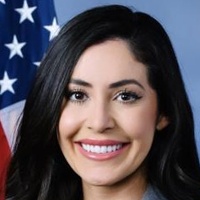
Anna Luna
Representative
FL
Anna Luna
Representative
FL
This resolution mandates the immediate consideration of H.R. 2003, a bill designed to amend the Higher Education Act of 1965. The core purpose of the bill is to significantly lower the interest rate on all Federal student loans to a fixed rate of 2 percent. The resolution streamlines the legislative process by waiving procedural objections and setting strict limits on debate and amendment votes.
This resolution condemns recent violent attacks and threats against U.S. Immigration and Customs Enforcement and U.S. Customs and Border Protection personnel and facilities while expressing appreciation for their service.
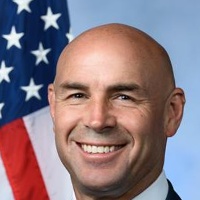
Jake Ellzey
Representative
TX
Jake Ellzey
Representative
TX
This resolution strongly condemns the recent violent attacks and threats targeting personnel and facilities of U.S. Immigration and Customs Enforcement (ICE) and U.S. Customs and Border Protection (CBP). It highlights a significant increase in assaults and death threats against federal officers. Furthermore, the measure expresses deep appreciation for the courage and essential service provided by ICE and CBP personnel.
This resolution expresses Congress's strong support for the enduring strategic partnership between the United States and India, emphasizing shared democratic values, defense cooperation, and mutual interests in the Indo-Pacific.
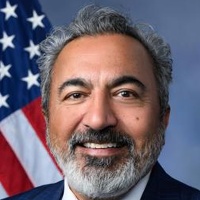
Ami Bera
Representative
CA
Ami Bera
Representative
CA
This resolution expresses the sense of Congress recognizing the strategic value of the long-standing partnership between the United States and India, founded on shared democratic values and mutual interests. It highlights the deep cooperation across defense, technology, counterterrorism, and economic ties. The bill encourages the expansion of this relationship to ensure a free and open Indo-Pacific.
This Act establishes grant programs to coordinate investments and provide technical assistance for rural development, while also restructuring the Rural Partners Network to improve federal support efficiency for rural communities.
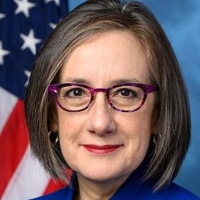
Andrea Salinas
Representative
OR
Andrea Salinas
Representative
OR
The Rural Partnership and Prosperity Act establishes new grant programs to coordinate federal, nonprofit, and private investments in rural areas. It creates the Rural Partnership Program to fund comprehensive development projects and a separate Technical Assistance Grant program to help rural organizations manage grants and plan development. Furthermore, the Act reforms the existing Rural Partners Network to streamline federal assistance and reduce administrative burdens for rural communities.
This bill prohibits financial institutions from charging insufficient funds and credit card late fees to federal employees and military personnel during government shutdowns.
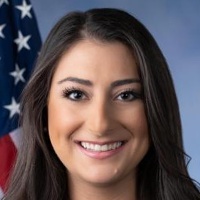
Sara Jacobs
Representative
CA
Sara Jacobs
Representative
CA
The Protect Military and Federal Employees from Unfair Bank Fees Act prohibits financial institutions from charging insufficient funds fees and credit card late fees to federal employees and military personnel during periods of government shutdowns. This protection applies to "covered persons" who work without pay due to a lapse in appropriations. The goal is to shield these individuals from unnecessary financial penalties during federal funding gaps.
This act affirms existing VA collective bargaining agreements and nullifies specific Executive Orders related to labor-management relations within the Department of Veterans Affairs.
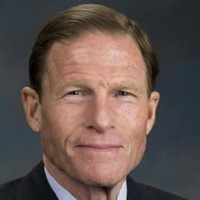
Richard Blumenthal
Senator
CT
Richard Blumenthal
Senator
CT
The VA CBA Act of 2025 affirms the validity of existing collective bargaining agreements within the Department of Veterans Affairs (VA). This legislation specifically nullifies Executive Orders 14251 and 14343 as they apply to the VA. The Act ensures that current labor agreements remain in effect for their full term.
This Act establishes a pilot program to provide grants and forgivable loans for whole-home repairs to eligible homeowners and landlords of affordable rental units.
Nikema Williams
Representative
GA
Nikema Williams
Representative
GA
The Whole-Home Repairs Act of 2025 establishes a pilot program administered by the Department of Housing and Urban Development to provide grants and forgivable loans for essential home repairs. These funds will go to local implementing organizations to assist eligible homeowners and landlords of affordable rental units with accessibility, habitability, and efficiency upgrades. The program aims to preserve affordable housing and ensure safe living conditions while maximizing coordination with existing federal, state, and local repair resources. This pilot program is authorized to operate until October 1, 2031.