This bill mandates the exclusion of individuals and entities who commit fraud from participation in any Federal health care program.
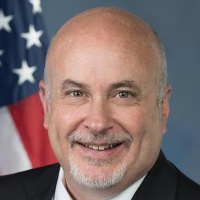
Mark Pocan
Representative
WI-2
This bill amends the Social Security Act to mandate the exclusion of individuals and entities who commit fraud from participating in any Federal health care program. Specifically, it requires the Secretary to exclude those convicted of certain fraud-related offenses or determined to have engaged in prohibited fraudulent activities. This ensures that those who misuse federal health programs due to financial misconduct are barred from future participation.
New Bill Mandates Immediate Exclusion of Fraudulent Providers from Medicare and Medicaid
This bill tightens the screws on healthcare fraud by making it mandatory for the Secretary of Health and Human Services (HHS) to kick individuals and entities out of federal health care programs—think Medicare and Medicaid—if they are caught scamming the system. Specifically, the bill amends Section 1128 of the Social Security Act to require exclusion if a person or company is convicted of fraud-related offenses or found to have committed specific prohibited activities. This mandatory exclusion applies to convictions occurring one year after the bill is enacted and covers everything from a misdemeanor involving financial misconduct related to a health care service to a broader criminal offense concerning fraud in any government-funded program (federal, state, or local).
No More Second Chances for Healthcare Cheaters
Right now, the Secretary has some discretion in deciding whether to exclude certain fraudulent actors. This bill removes that wiggle room for specific offenses, making the exclusion automatic. If you’re a provider—say, a clinic owner or a medical equipment supplier—and you’re convicted of a misdemeanor for stealing money or committing fraud related to the services you bill to Medicare, you’re out. This isn't just about big-time felonies; it specifically includes misdemeanor offenses related to financial misconduct in health care. For example, if a small-town physical therapist is caught routinely upcoding bills (charging for a more expensive service than provided) and gets a misdemeanor conviction for financial misconduct, they are now automatically banned from billing federal programs.
Expanding the Net: Fraud in Any Government Program
Crucially, the mandatory exclusion isn't limited to just health care fraud. The bill states that if an individual or entity is convicted of a criminal offense related to fraud, theft, or financial misconduct concerning any program financed wholly or partly by any federal, state, or local government agency, they must also be excluded from federal health care programs. This means if a construction company owner defrauds a federal housing grant program, they could also lose the ability to participate in Medicare, even if the housing fraud wasn't directly related to patient care. The idea is simple: if you cheat one government program, you can’t be trusted to participate in another.
The Administrative Hammer
Beyond convictions, the bill also mandates exclusion if the Secretary determines that an individual or entity committed certain prohibited acts described in existing anti-kickback and fraud statutes (Sections 1128A, 1128B, or 1129 of the Social Security Act). This means that even without a criminal conviction, if the administrative determination is made that a provider engaged in illegal kickbacks or false claims, they face mandatory exclusion. This gives the HHS Department a powerful, non-judicial tool to immediately remove bad actors from the system, which is a major win for program integrity and the protection of taxpayer dollars. The new rules take effect one year after the bill becomes law, giving the system time to adjust to these tougher, mandatory requirements.