This joint resolution directs the President to remove U.S. Armed Forces from hostilities against certain designated groups and states unless Congress authorizes the use of force, while preserving the right to self-defense.
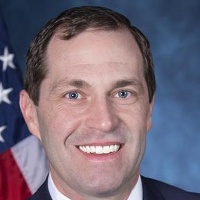
Jason Crow
Representative
CO-6
This joint resolution directs the President to remove U.S. Armed Forces from hostilities initiated after February 20, 2025, against designated terrorist groups or drug trafficking organizations without prior Congressional authorization. It asserts Congress's constitutional power to declare war and finds recent military strikes against vessels lacked proper justification. The bill allows for continued use of forces for self-defense or authorized counternarcotics support, but explicitly states drug trafficking alone does not constitute an armed attack.
War Powers Showdown: Resolution Demands End to Unauthorized Military Strikes Against Drug Traffickers
This joint resolution is a direct challenge from Congress to the Executive Branch, demanding the immediate halt of U.S. Armed Forces involvement in hostilities that haven't been specifically authorized by Congress. Think of it as Congress putting its foot down and saying, "If you want to send troops into conflict, you need our permission first."
Specifically, the resolution targets any hostilities initiated against foreign terrorist organizations, states where they operate, or non-state organizations involved in illegal drug trafficking—if those entities were designated after February 20, 2025. It’s a retroactive check on recent military actions, particularly recent strikes against vessels in September 2025, which Congress says lacked clear justification or authorization (Sec. 1).
The War Powers Check Engine Light
For most people, the immediate impact of this resolution is about accountability and oversight, which translates into less risk of the U.S. getting dragged into undefined conflicts. Congress is reasserting its constitutional power to declare war, which is a major structural check on executive power. The resolution makes it crystal clear: designating an organization as a terrorist group or a drug cartel does not automatically give the President the authority to use military force against them (Sec. 1).
This matters because unauthorized military engagements drain resources, distract from domestic priorities, and increase geopolitical risk. When Congress claims it hasn't received adequate information about why lethal force was used—such as the cargo, threat, or legal basis for striking vessels—it highlights a breakdown in the system. This resolution forces the administration to present its case before engaging in hostilities, rather than afterward.
Drug Trafficking vs. Armed Attack: A Crucial Distinction
The resolution doesn't mean the U.S. stops fighting drug trafficking. In fact, Congress explicitly states its intent to provide resources for intelligence, law enforcement, and technology to stop illicit drugs at ports of entry (Sec. 1). What it does is draw a very important line: drug trafficking, by itself, is not considered an armed attack or a threat of an imminent armed attack against the United States (Sec. 2).
This distinction prevents the Executive Branch from using the military, rather than law enforcement and intelligence agencies, as the default tool for counternarcotics operations abroad. However, the resolution does allow the use of U.S. Armed Forces to support civil authorities in authorized counternarcotics operations. This is a potential gray area: what exactly constitutes "support" in an "authorized" operation? If that definition is too broad, the military could still end up playing a major role in drug interdiction that looks a lot like hostilities, potentially skirting the resolution’s intent.
What Stays the Same?
Crucially, this resolution doesn't tie the President's hands when the nation is actually under threat. It maintains the inherent right of the U.S. to defend itself against an armed attack or the threat of an imminent armed attack (Sec. 2). If a foreign state or organization actually launches an attack, the military can and will respond immediately. This resolution is aimed squarely at preemptive, unauthorized hostilities, ensuring that if we go to war, it’s because Congress—the body closest to the people—decided we should.