Legislation
This act appropriates funds to replace the outdated air traffic control tower at El Paso International Airport.
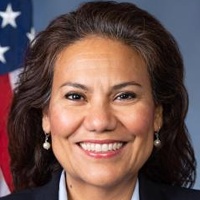
Veronica Escobar
Representative
TX
Veronica Escobar
Representative
TX
This act authorizes and appropriates necessary federal funding to replace the outdated air traffic control tower at El Paso International Airport. The legislation ensures the modernization of critical air traffic infrastructure in El Paso, Texas.
This act mandates protective barriers for new fixed-route bus operator workstations purchased with federal funds, unless waived by the relevant labor union.
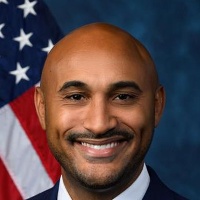
Shomari Figures
Representative
AL
Shomari Figures
Representative
AL
The Bus Operator Safety and Security Act mandates that new fixed-route buses purchased with federal funds, meeting specific size and lifespan criteria, must be equipped with a protective barrier around the operator's workstation. This barrier must fully enclose the area without obstructing the driver's line of sight. This requirement can be waived if the relevant labor union agrees to the waiver for the specific bus purchase.
This act establishes a new presumption for detention hearings and detention for non-citizens awaiting trial who are not lawful permanent residents.
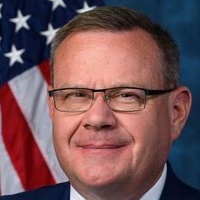
Tim Moore
Representative
NC
Tim Moore
Representative
NC
The Flight Risk Reduction Act amends federal law to establish a new presumption against pretrial release for non-citizens who are not lawful permanent residents. This legislation mandates a detention hearing for such individuals and shifts the burden to them to prove, with clear and convincing evidence, that release conditions will ensure their court appearance and community safety. Notably, the bill prohibits using a non-citizen defendant's U.S. family or employment ties as evidence to overcome this detention presumption.
This Act establishes a federal right for individuals significantly exposed to PFAS to sue responsible parties and receive medical monitoring to detect related diseases.
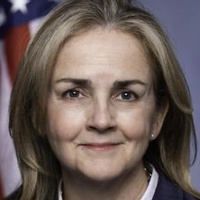
Madeleine Dean
Representative
PA
Madeleine Dean
Representative
PA
The PFAS Accountability Act of 2025 establishes a federal legal right for individuals significantly exposed to PFAS to sue responsible parties. This Act creates a cause of action for harm caused by exposure and shifts the cost of necessary medical monitoring to the manufacturers. Furthermore, it encourages industry-funded research into the safety of these persistent chemicals.
This bill revises the formula for distributing Community Development Block Grant funds to prioritize areas based on poverty rates, housing quality, and household composition, while also authorizing specific funding levels through Fiscal Year 2029.
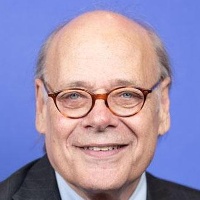
Steve Cohen
Representative
TN
Steve Cohen
Representative
TN
The Community Development Block Grant Equity Act of 2025 significantly revises the formula used to distribute CDBG funds to cities, counties, and states. This new formula prioritizes areas based on weighted factors, including poverty rates and the extent of older, poverty-occupied housing. The bill also authorizes specific funding levels for the CDBG program through Fiscal Year 2029, adjusted annually for inflation.
This Act establishes a \$10 billion EPA grant program to fund projects in environmental justice communities that reduce emissions, improve resilience, and support workforce development.
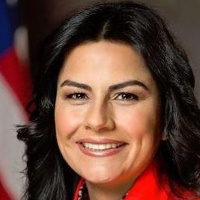
Nanette Barragán
Representative
CA
Nanette Barragán
Representative
CA
The Climate Justice Grants Act establishes a multi-billion dollar grant program within the EPA to fund projects that reduce pollution and build resilience in environmental justice communities. Eligible recipients, including governments and nonprofits, can use funds for initiatives like deploying zero-emission technology, improving energy efficiency, and developing community solar. The Act prioritizes funding for low-income communities, rural areas, and U.S. Territories, ensuring projects are community-driven.
This bill establishes a new federal standard requiring the use of "best-available transmission conductors" for covered electric grid projects to maximize capacity and efficiency.
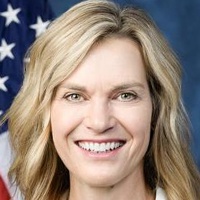
Julie Fedorchak
Representative
ND
Julie Fedorchak
Representative
ND
The High-Capacity Grid Act mandates that the Federal Energy Regulatory Commission (FERC) establish a "best-available transmission conductor" standard based on capacity, efficiency, and sag mitigation. This legislation requires FERC to presume that using these advanced conductors in covered transmission projects is prudent and cost-justified. Conversely, using anything less than the best-available conductor will be presumed imprudent in rate cases.
This Act mandates studies, establishes a cybersecurity clearinghouse, and directs the Department of Commerce to develop recommendations and a strategy to enhance the security of commercial satellite systems.
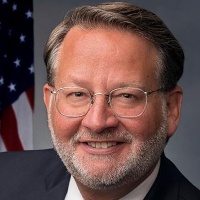
Gary Peters
Senator
MI
Gary Peters
Senator
MI
The Satellite Cybersecurity Act of 2025 mandates a comprehensive federal review of cybersecurity support for commercial satellite systems, led by the Comptroller General. It requires the Department of Commerce to establish a public online clearinghouse for cybersecurity resources and consolidate voluntary industry recommendations. Furthermore, the Act compels the Department of Commerce to develop and submit a national cybersecurity strategy for these systems to Congress.
This bill mandates that the Secretaries of the military departments develop comprehensive master plans by September 30, 2027, to address infrastructure needs, replacements, and risks at each Service Academy.
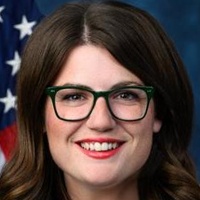
Sarah Elfreth
Representative
MD
Sarah Elfreth
Representative
MD
This Act mandates that the Secretaries of the military departments develop comprehensive master plans for each Service Academy to address critical infrastructure needs. These plans must detail failing infrastructure, propose replacement or renovation within five years, and assess risks from various threats. The Secretaries are required to submit these plans to Congress by December 1, 2027.
This bill establishes the Strengthening Community Colleges Workforce Development Grants program to fund community colleges in creating or expanding high-quality workforce programs that lead to recognized credentials in high-skill industries.

Roger Marshall
Senator
KS
Roger Marshall
Senator
KS
The Pathways to Prosperity Act establishes a new grant program to strengthen workforce development at community colleges. This program aims to help institutions create or expand high-quality training for high-skill, high-wage, or in-demand industries. Grants will prioritize partnerships with employers to ensure participants earn recognized, portable credentials leading to career advancement. The Secretary of Labor will oversee the competitive awards, performance measurement, and evaluation of the funded programs.
This act mandates the SEC to study and report to Congress on the transparency and cooperation of financial firms controlled by or organized under the laws of the People's Republic of China.
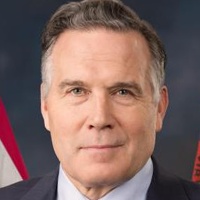
Dave McCormick
Senator
PA
Dave McCormick
Senator
PA
The PRC Financial Intermediary Review Act mandates that the Securities and Exchange Commission (SEC) conduct a comprehensive study on the transparency and cooperation of financial firms operating in the U.S. that are controlled by or organized under the laws of the People's Republic of China. The SEC is required to report the findings of this review to Congress within one year of the bill's enactment.
This bill establishes a mental health support initiative and requires annual progress reports to Congress to improve the occupational resiliency of U.S. Cyber Command personnel.
Sarah Elfreth
Representative
MD
Sarah Elfreth
Representative
MD
This act establishes a dedicated mental health support initiative for personnel within the U.S. Cyber Command's Cyber Mission Force. It mandates the assignment of appropriately cleared behavioral health professionals directly to these duty locations to address work-related stress and occupational challenges. Furthermore, the Department of Defense must provide annual progress reports to Congress on the initiative's implementation and effectiveness for three years.
This Act prohibits the development of a golf course at the Greenbury Point Conservation Area in Annapolis, Maryland, while allowing exceptions for national security, safety, or environmental restoration.
Sarah Elfreth
Representative
MD
Sarah Elfreth
Representative
MD
This Act officially prohibits the construction of a golf course at the Greenbury Point Conservation Area at Naval Support Activity Annapolis, Maryland. It amends existing law to explicitly forbid the Secretary of the Navy from using funds for such development or restricting public access. Exceptions are made only for activities essential to national security, safety, or environmental restoration.
This bill modifies the service commitment requirements for enlisted members participating in the Judge Advocate Program while attending law school.
Sarah Elfreth
Representative
MD
Sarah Elfreth
Representative
MD
This Act modifies the eligibility requirements for enlisted service members participating in the Judge Advocate General's Corps program. Specifically, it increases the maximum obligated service time from eight to ten years for service members whose law school expenses are funded by a military department. The bill also makes technical corrections to cross-references within the relevant statute.
This Act adjusts federal cost-sharing for disaster mitigation projects, mandates certain hazard mitigation funding, establishes minimum funding for public infrastructure mitigation, and includes Indian Tribes in mitigation assistance programs.
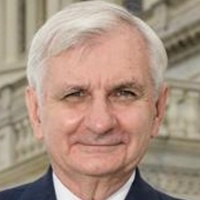
John Reed
Senator
RI
John Reed
Senator
RI
The Building Resilience and Stronger Communities Act aims to enhance disaster preparedness by adjusting federal cost-sharing for small and critical facility mitigation projects, increasing it to at least 90%. The bill mandates FEMA funding for certain hazard mitigation measures following major disasters and establishes required minimum and maximum funding levels for predisaster mitigation assistance for public infrastructure. Furthermore, it grants Indian Tribes direct access to hazard mitigation assistance programs.
This bill establishes comprehensive federal rights and protections for domestic workers, including overtime pay, guaranteed sick leave, written agreements, and creates a standards board to recommend future workplace improvements.

Kirsten Gillibrand
Senator
NY
Kirsten Gillibrand
Senator
NY
The Domestic Workers Bill of Rights Act seeks to establish comprehensive federal labor protections for domestic workers, including nannies, caregivers, and housekeepers. It mandates key standards such as overtime pay, earned sick leave, written work agreements, and fair scheduling practices. The bill also creates a standards board to recommend future workplace improvements and includes funding mechanisms to help states cover the costs of extending these protections to Medicaid-funded in-home care providers. Ultimately, this legislation aims to increase job security, predictability, and legal recourse for this historically excluded workforce.
This bill expands VA resources to better serve minority and historically underserved veterans and mandates the reinstatement of the Office of Equity Assurance to address benefit disparities.
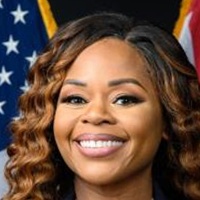
Sheila Cherfilus-McCormick
Representative
FL
Sheila Cherfilus-McCormick
Representative
FL
This Act expands and renames key Department of Veterans Affairs (VA) offices to focus on **Historically Underserved Veterans**, broadening their scope beyond just minority veterans. It mandates the renaming of the Center and Advisory Committee to explicitly include "Historically Underserved," updates committee membership, and adds new duties focused on improving outreach and services. Furthermore, the bill requires a biennial review to identify benefit disparities and permanently reinstates the VA's Office of Equity Assurance to monitor and report on equity issues.
The SAFE LiDAR Act prohibits the use of covered foreign adversary LiDAR technology in the United States to safeguard national security against espionage and supply chain compromise.
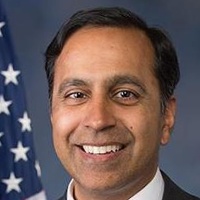
Raja Krishnamoorthi
Representative
IL
Raja Krishnamoorthi
Representative
IL
The SAFE LiDAR Act prohibits the use of covered foreign adversary LiDAR technology by U.S. critical infrastructure operators and the Federal Government, with phased implementation timelines. It also bans certain business partnerships with foreign adversary LiDAR companies to prevent espionage and supply chain compromise. The Secretary of Commerce is granted authority to issue waivers and manage a transition assistance program for impacted users. This legislation aims to secure critical technologies against national security threats posed by specified foreign adversaries.
This resolution declares the renaming of the Kennedy Center to include Donald J. Trump a violation of federal law and mandates the restoration of its original name.
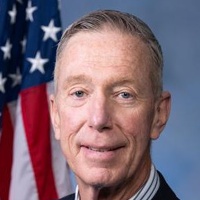
Stephen Lynch
Representative
MA
Stephen Lynch
Representative
MA
This resolution expresses the sense of the House that renaming the John F. Kennedy Center for the Performing Arts to include the name "Donald J. Trump" violates federal law. It declares the unauthorized redesignation null and void and requires the Board of Trustees to immediately restore the original name. Furthermore, the bill calls for the resignation of any trustees appointed by President Trump.
The SERVE Act mandates the Departments of Defense and Veterans Affairs to create and implement action plans to improve the sharing of medical resources and enhance veterans' access to care at military and VA facilities.

Jerry Moran
Senator
KS
Jerry Moran
Senator
KS
The SERVE Act mandates that the Department of Defense (DOD) and the Department of Veterans Affairs (VA) create and implement joint action plans to improve the sharing of medical resources and enhance veterans' access to care at military and VA facilities. These plans must focus on strengthening resource sharing, improving communication, and increasing cross-credentialing of providers. The law requires regular reporting to Congress on the implementation status and effectiveness of these integrated care efforts until September 30, 2028.