Legislation
This bill modifies the Affordable Care Act to change premium subsidies and create new savings accounts while simultaneously strengthening price transparency requirements for hospitals and health plans.

Roger Marshall
Senator
KS
Roger Marshall
Senator
KS
The Lowering Health Care Costs for Americans Act modifies the Affordable Care Act by extending premium tax credits and introducing new Healthcare Affordability Accounts for enrollees. It also establishes strict new requirements for hospitals, labs, and insurers to publicly disclose negotiated prices and detailed billing information. Furthermore, the bill places new restrictions on using subsidies for coverage related to abortion and gender transition procedures. Overall, the legislation aims to increase price transparency while restructuring financial assistance for Marketplace plans.
This bill authorizes \$74 million for fiscal years 2026 and 2027 to support the core functions and programs of the United Nations Population Fund (UNFPA), excluding its programs in China.
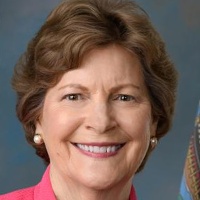
Jeanne Shaheen
Senator
NH
Jeanne Shaheen
Senator
NH
This bill authorizes $74 million in U.S. funding for the United Nations Population Fund (UNFPA) for fiscal years 2026 and 2027. Congress finds that UNFPA is essential for global sexual and reproductive health, preventing maternal deaths, and combating gender-based violence worldwide. The legislation affirms that supporting UNFPA is a strategic U.S. foreign policy priority that advances global health and stability.
This bill establishes tax-advantaged savings accounts for college athletes' Name, Image, and Likeness (NIL) earnings and reforms agent regulations to better protect student athletes.

Marsha Blackburn
Senator
TN
Marsha Blackburn
Senator
TN
The Helping Undergraduate Students Thrive with Long-Term Earnings (HUSTLE) Act establishes tax-advantaged savings accounts, called NIL Investment Accounts, for college athletes to save their Name, Image, and Likeness (NIL) income for future use. The bill also reforms agent representation by setting new registration, certification, and fee limits for agents dealing with student NIL endorsement contracts. Furthermore, it grants student athletes a private right of action to sue agents for violations of these new federal standards.
This bill mandates the Air Force to coordinate depot-level maintenance planning with allied nations during multinational exercises in the Indo-Pacific and report on potential partnerships with Australia and South Korea.
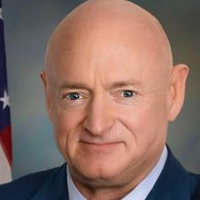
Mark Kelly
Senator
AZ
Mark Kelly
Senator
AZ
This bill mandates the U.S. Air Force to integrate depot-level maintenance coordination into its multinational exercises within the Indo-Pacific region. It requires annual planning sessions with allied nations to enhance maintenance cooperation, streamline logistics, and achieve mutual certification recognition. Furthermore, the Secretary of the Air Force must report to Congress on potential maintenance partnerships with Australia and South Korea.
This act redefines a tipped employee based on the combined total of their tips and cash wages meeting the federal minimum wage over an employer-defined work period.
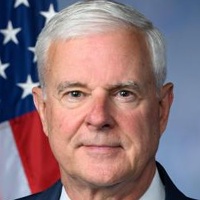
Steve Womack
Representative
AR
Steve Womack
Representative
AR
The Tipped Employee Protection Act updates the definition of a "tipped employee" under federal law. It requires that the combined total of an employee's tips and cash wages must meet the federal minimum wage over an employer-defined work period. This change removes the previous $30 monthly tip threshold and applies regardless of the employee's specific duties.
This act amends existing law to strengthen the requirements for maintaining facilities and programs, and to revise the composition and term limits for the governing board overseeing Native Hawaiian art and culture grants.
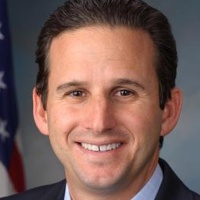
Brian Schatz
Senator
HI
Brian Schatz
Senator
HI
The Native Arts and Culture Promotion Act amends existing legislation to strengthen support for Native arts and culture nationwide. This bill modifies the requirements for the Institute's Board of Trustees and mandates the ongoing maintenance of its facilities and programs. Furthermore, it updates grant requirements for Native Hawaiian art and culture to ensure representation from recognized Native Hawaiian artists and cultural experts on governing boards.
The ECCHO Act establishes a new federal crime for coercing minors under 18, through threats or manipulation, to commit serious harm to themselves, others, animals, or engage in specific criminal acts like swatting or arson.
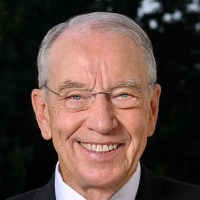
Charles Grassley
Senator
IA
Charles Grassley
Senator
IA
The ECCHO Act establishes a new federal crime for intentionally coercing a minor under 18 to commit harmful acts, including self-harm, violence against others or animals, arson, or specific online offenses like swatting. This legislation defines coercion broadly to include manipulation, threats, and intimidation used to force a child into these prohibited actions. Penalties vary based on the severity of the coerced act, with life imprisonment possible for coercing suicide or homicide. The Act also updates existing federal laws to incorporate this new offense and ensure comprehensive enforcement.
This bill directs the U.S. Sentencing Commission to review and update federal sentencing guidelines for child sexual abuse material offenses to better account for victim harm, modern technology, and offender culpability.
Charles Grassley
Senator
IA
Charles Grassley
Senator
IA
The SAFE Act directs the U.S. Sentencing Commission to review and update federal sentencing guidelines for offenses involving child sexual abuse material. This update must account for the actual harm to victims, modern technology, and the spectrum of offender culpability. The Commission is required to develop new guidelines that specifically address factors like the use of multiple online channels, involvement in prohibited sexual conduct against a child, and the impact on the victim. Importantly, the Act prohibits lowering the existing base offense level for these crimes.
This bill mandates an annual fraud risk assessment of Obamacare premium tax credit subsidies, submitted to relevant oversight bodies.
Charles Grassley
Senator
IA
Charles Grassley
Senator
IA
This bill mandates the Secretary of Health and Human Services, in coordination with the Treasury Secretary, to conduct and submit an annual fraud risk assessment of Obamacare premium tax credit determinations starting in 2025. The assessment must detail current fraud prevention controls and adhere to established government risk management standards. This report will be submitted to relevant Congressional committees and the HHS Inspector General.
This bill, the UPGRADE Act of 2025, extends and expands technical assistance and funding authorizations for small and disadvantaged public water systems through fiscal year 2031.
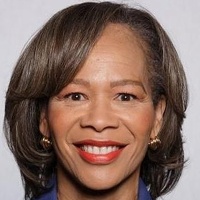
Lisa Blunt Rochester
Senator
DE
Lisa Blunt Rochester
Senator
DE
The UPGRADE Act of 2025 extends crucial federal support for safe drinking water infrastructure. This legislation extends technical assistance authorizations for small public water systems through 2031. It also expands eligibility for financial assistance to include unincorporated and underserved communities, ensuring broader access to necessary water system improvements.
This bill mandates a Title VI awareness campaign, requires colleges to post civil rights information, and establishes monthly congressional briefings and annual audits regarding discrimination complaints on campus.
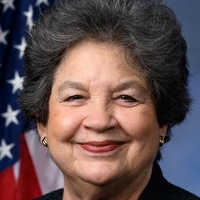
Lois Frankel
Representative
FL
Lois Frankel
Representative
FL
The Protecting Students on Campus Act of 2025 aims to increase awareness of civil rights protections for students under Title VI of the Civil Rights Act. The bill mandates a public awareness campaign and requires colleges receiving federal aid to prominently display links and materials related to filing discrimination complaints. Furthermore, it establishes regular congressional briefings and requires annual reporting and targeted audits on how institutions handle complaints of discrimination based on race, color, or national origin.
This Act establishes a federal right for individuals significantly exposed to PFAS to sue manufacturers for medical monitoring costs.

Kirsten Gillibrand
Senator
NY
Kirsten Gillibrand
Senator
NY
The PFAS Accountability Act of 2025 establishes a federal right for individuals significantly exposed to PFAS to file lawsuits against responsible manufacturers. This law allows exposed persons to seek court-ordered medical monitoring, shifting the cost of necessary health screenings to the liable parties. Furthermore, the Act aims to incentivize industry-funded research into the safety of these widely used chemicals.
This Act establishes a TSA pilot project to test and evaluate advanced security technologies aimed at reducing cargo theft at transportation hubs and rail yards.
Marsha Blackburn
Senator
TN
Marsha Blackburn
Senator
TN
The Cargo Security Innovation Act establishes a pilot project managed by the TSA to test advanced security technologies aimed at preventing cargo theft at high-risk transportation hubs and rail yards. This project will award grants to eligible consortia—partnerships between law enforcement and private carriers—to deploy and evaluate these new security measures. The law mandates reporting to Congress on the effectiveness and cost-benefit of the deployed technologies before the project concludes.
This bill reauthorizes and expands the Virginia Graeme Baker Pool and Spa Safety Act by establishing a new grant program for states, tribes, and nonprofits, and funding public safety education efforts through the CPSC through fiscal year 2030.

Amy Klobuchar
Senator
MN
Amy Klobuchar
Senator
MN
This bill reauthorizes and amends the Virginia Graeme Baker Pool and Spa Safety Act to strengthen drowning prevention efforts. It establishes a new grant program managed by the CPSC, making states, Indian Tribes, and eligible nonprofits eligible to receive funding for safety enforcement and public education. The legislation also reauthorizes the CPSC's national education and awareness campaigns and mandates annual reporting to Congress on the grant program's effectiveness.
This bill delays the implementation of a rule concerning the importation of sheep, goats, and related products while mandating a comprehensive study on its potential economic and industry impacts.
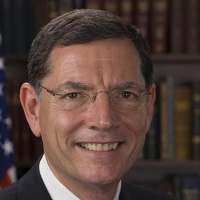
John Barrasso
Senator
WY
John Barrasso
Senator
WY
This bill delays the implementation of a proposed rule concerning the importation of sheep, goats, and related products. It mandates the Secretary of Agriculture to conduct a comprehensive study on the potential economic and industry impacts of the rule. The prohibition on enforcing the rule remains in effect until one year after the required study report is submitted to Congress.
The SAFE Chips Act of 2025 establishes strict export controls, requiring licenses and imposing denial policies for advanced integrated circuits destined for foreign adversary countries.
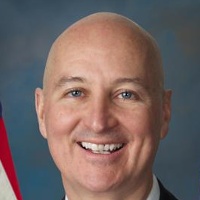
Pete Ricketts
Senator
NE
Pete Ricketts
Senator
NE
The SAFE Chips Act of 2025 establishes strict new export controls on advanced integrated circuits to foreign adversary countries. This law mandates a license for the export or transfer of these specified high-performance chips, with a policy to deny all such applications. The bill specifically defines "advanced integrated circuit" based on technical performance thresholds or existing export control classifications, excluding those not designed for data center use.
This act grants states flexibility to use federal funds for early reemployment services and eligibility assessments for unemployment claimants upon filing their initial claim.
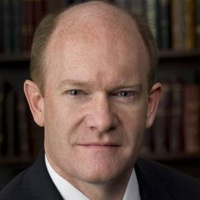
Christopher Coons
Senator
DE
Christopher Coons
Senator
DE
The EARLY Benefits for Workers Act grants states greater flexibility in using federal funds to offer immediate reemployment services and eligibility assessments to unemployment claimants upon filing their initial claim. This allows for earlier intervention to help workers return to the workforce quickly. Importantly, a claimant's initial benefit eligibility cannot be denied solely for not participating in these early services before receiving their first payment.
This bill criminalizes threatening to distribute child sexual abuse material, even if it doesn't exist, and increases penalties for using such material to intimidate or coerce.
Charles Grassley
Senator
IA
Charles Grassley
Senator
IA
The Stop Sextortion Act criminalizes threatening to distribute child sexual abuse material, even if the material does not exist, to intimidate or coerce victims. This legislation establishes severe penalties for making such threats, mirroring those for actual distribution. Furthermore, the Act increases maximum prison sentences by ten years for crimes involving the use of child sexual abuse material to threaten or harm an individual.
This Act authorizes the President to negotiate and enter into comprehensive digital trade agreements with international partners, subject to strict Congressional oversight and enforcement mechanisms.

Todd Young
Senator
IN
Todd Young
Senator
IN
The Digital Trade Promotion Act of 2025 grants the President authority to negotiate and enter into comprehensive digital trade agreements with foreign partners. These agreements must establish strong international rules promoting the free flow of data, banning discriminatory digital taxes, and protecting intellectual property. The bill mandates rigorous Congressional oversight, consultation, and a review period before any agreement can take effect, ensuring alignment with U.S. economic interests and values. It also establishes mechanisms for monitoring and enforcing continued compliance by partner countries.
This act prohibits businesses from charging different prices for the same product or service based on customer surveillance data, while establishing enforcement mechanisms and specific exceptions.
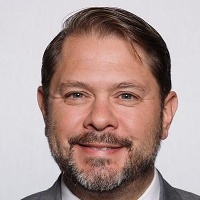
Ruben Gallego
Senator
AZ
Ruben Gallego
Senator
AZ
The One Fair Price Act of 2025 prohibits businesses from charging different prices to different customers for the same product or service if that price difference is based on surveillance data. This aims to ensure fair pricing by banning personalized pricing informed by customer tracking, with specific exceptions for cost-based differences or bona fide group discounts. Violations are enforceable by the FTC, State Attorneys General, and individuals through civil lawsuits seeking damages. The Act also explicitly applies this prohibition to air carriers and ticket agents.