Legislation
This bill mandates a comprehensive Department of Defense review to assess U.S. military capabilities and vulnerabilities regarding uncrewed systems across all domains.

Elissa Slotkin
Senator
MI
Elissa Slotkin
Senator
MI
This bill mandates that the Secretary of Defense conduct a comprehensive review of U.S. military capabilities regarding uncrewed aerial, ground, surface, and undersea vehicles. The assessment aims to identify critical capability gaps and vulnerabilities to foreign uncrewed systems. A formal report detailing these findings must be submitted to congressional defense committees by March 1, 2027.
The Cooperative Institute Act of 2026 establishes a formal framework for NOAA to create, fund, and manage collaborative research partnerships with academic and nonprofit institutions to advance its scientific mission.

Maria Cantwell
Senator
WA
Maria Cantwell
Senator
WA
The Cooperative Institute Act of 2026 establishes a formal program within NOAA to manage partnerships with academic and nonprofit research institutions. This legislation sets clear standards for the creation, funding, and periodic review of these institutes to ensure they effectively support NOAA’s mission through collaborative research, education, and outreach.
The Stop Secret Spending Act of 2025 mandates greater transparency in federal spending by requiring the public disclosure of "other transaction agreements" and improving the accuracy and reporting standards of federal award data on USAspending.gov.
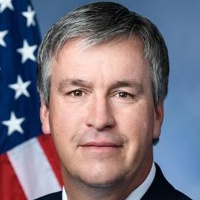
Barry Moore
Representative
AL
Barry Moore
Representative
AL
The Stop Secret Spending Act of 2025 increases federal financial transparency by requiring that "other transaction agreements" be publicly disclosed on USAspending.gov. The bill mandates improved data quality standards, establishes recurring reporting requirements for agencies, and ensures greater oversight of federal spending that currently remains hidden from public view.
The INSULIN Act of 2026 aims to lower healthcare costs by capping out-of-pocket insulin prices, increasing pharmacy benefit manager transparency, accelerating generic and biosimilar competition, and expanding access programs for the uninsured.
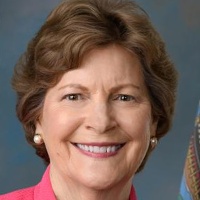
Jeanne Shaheen
Senator
NH
Jeanne Shaheen
Senator
NH
The Improving Needed Safeguards for Users of Lifesaving Insulin Now Act of 2026 aims to lower insulin costs by capping out-of-pocket expenses for insured patients and increasing transparency for pharmacy benefit managers. The bill also fosters competition by accelerating the approval of generic and biosimilar drugs and establishes new support programs to provide affordable insulin access for uninsured individuals.
This comprehensive legislation strengthens democratic institutions by enhancing federal oversight, protecting civil service independence, reforming immigration enforcement and judicial processes, and establishing strict ethics and election integrity standards.

Jeff Merkley
Senator
OR
Jeff Merkley
Senator
OR
The **For Our Republic Act** is a comprehensive legislative package designed to strengthen democratic institutions, protect civil service independence, and safeguard fundamental rights. The bill enhances government accountability by reforming inspector general appointments, establishing stricter ethics and financial disclosure rules for senior officials, and reasserting congressional oversight over federal spending and military deployments. Additionally, it provides robust protections for noncitizen children in custody, bans racial profiling and deceptive AI-generated election content, and ensures that federal law enforcement and military personnel cannot interfere with the democratic process.
This bill expands the advanced manufacturing production tax credit to include additional critical minerals, allows ore extraction costs to qualify for the credit, and repeals the credit reduction for metallurgical coal.
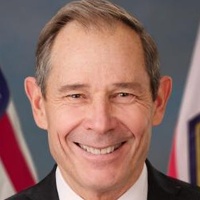
John Curtis
Senator
UT
John Curtis
Senator
UT
The Critical Mineral and Extraction Tax Parity Act expands the Section 45X advanced manufacturing production tax credit to include additional critical minerals and allow ore extraction costs to qualify for tax incentives. The bill also repeals the credit reduction for metallurgical coal to further support domestic production. These updates aim to strengthen the supply chain for essential minerals and industrial materials.
This resolution commemorates the 80th anniversary of the CDC, honors its extensive contributions to global public health, and condemns the 2025 attack on its Atlanta headquarters.
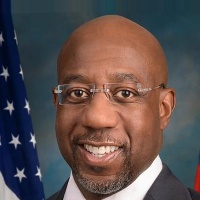
Raphael Warnock
Senator
GA
Raphael Warnock
Senator
GA
This resolution commemorates the 80th anniversary of the Centers for Disease Control and Prevention (CDC), honoring its decades of vital contributions to global public health and scientific research. It also condemns the tragic 2025 attack on the agency’s Atlanta headquarters, pays tribute to fallen officer David Rose, and reaffirms Congress's commitment to supporting the CDC’s ongoing mission to protect the health and safety of the nation.
This resolution honors the lives and ultimate sacrifice of five wildland firefighters who died during the 2026 season and expresses gratitude to all personnel who risk their lives to protect communities from wildfires.

Michael Bennet
Senator
CO
Michael Bennet
Senator
CO
This resolution honors the lives and ultimate sacrifice of Emily Barker, Nicholas Hutcherson, Sydney Watson, Nathan Matthews, and Nicholas Dale, who died while serving as wildland firefighters during the 2026 season. It expresses the nation's deepest gratitude and sympathy to the families of the fallen and recognizes the courage of all emergency personnel who risk their lives to protect our communities and natural resources.
This resolution designates September 2026 as "National Child Awareness Month" to honor and support the vital work of organizations dedicated to the well-being and future success of children and youth across the United States.
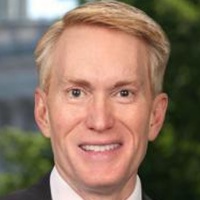
James Lankford
Senator
OK
James Lankford
Senator
OK
This resolution designates September 2026 as "National Child Awareness Month" to highlight the vital role of youth-serving organizations and charities across the United States. It recognizes the essential contributions these groups make toward the health, education, and well-being of children, particularly those facing significant challenges. By promoting this month-long focus, the bill encourages nationwide support for initiatives that foster a brighter future for America’s youth.
This resolution expresses support for designating September 11 through September 17, 2026, as "Patriot Week" to honor the history, founding principles, and symbols of the United States.
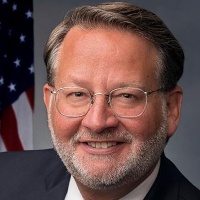
Gary Peters
Senator
MI
Gary Peters
Senator
MI
This resolution expresses support for designating September 11 through September 17, 2026, as "Patriot Week." The initiative encourages citizens, schools, and government institutions to honor the nation’s founding principles, historical figures, and symbols. By promoting the study of American history, the week aims to renew the spirit of the United States and foster a deeper appreciation for the country's foundational values.
This resolution honors the Pennsylvania State University Nittany Lions men's wrestling team for winning the 2026 NCAA Division I National Championship.
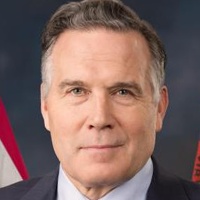
Dave McCormick
Senator
PA
Dave McCormick
Senator
PA
This resolution formally commends the Pennsylvania State University Nittany Lions men’s wrestling team for securing the 2026 NCAA Division I National Championship. It celebrates the team's historic fifth consecutive title and recognizes the dedication of the student-athletes, coaches, and staff. The measure highlights the program's ongoing tradition of excellence and the positive values fostered through their championship season.
This bill authorizes the Commandant of the Coast Guard to enter into intergovernmental support agreements to improve operational efficiency and community collaboration.

Christopher Murphy
Senator
CT
Christopher Murphy
Senator
CT
The Strengthening Coast Guard Communities Act of 2026 authorizes the Commandant of the Coast Guard to enter into intergovernmental support agreements to improve operational efficiency. This legislation streamlines administrative processes while ensuring congressional oversight by requiring notification to relevant committees whenever this authority is exercised.
This joint resolution proposes a constitutional amendment to mandate that only U.S. citizens are eligible to vote in federal elections.
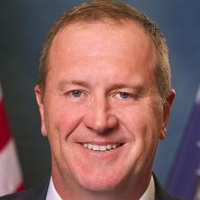
Eric Schmitt
Senator
MO
Eric Schmitt
Senator
MO
This joint resolution proposes a constitutional amendment to explicitly mandate that only United States citizens are eligible to vote in federal elections. If ratified, the amendment would grant both Congress and state legislatures the authority to enact and enforce laws ensuring this citizenship requirement is upheld across all states and the District of Columbia.
This concurrent resolution establishes the federal budget blueprint for fiscal years 2027 through 2036, setting spending and revenue targets while providing procedural frameworks for budget reconciliation and enforcement.

Ron Johnson
Senator
WI
Ron Johnson
Senator
WI
This concurrent resolution establishes a 10-year federal budget blueprint for fiscal years 2027 through 2036, outlining projected spending, revenue, and debt levels. It directs congressional committees to develop reconciliation legislation to meet specific budgetary targets and sets forth procedural rules for enforcing these spending limits. Overall, the measure provides the framework for federal fiscal policy and committee-level spending authority over the next decade.
This resolution designates August 7, 2026, as "National Lighthouse Day" to honor the maritime heritage of the United States and promote the ongoing preservation of historic lighthouse landmarks.
Gary Peters
Senator
MI
Gary Peters
Senator
MI
This resolution designates August 7, 2026, as "National Lighthouse Day" to honor the 237th anniversary of the first federal lighthouse law. It celebrates the historical significance of lighthouses and their keepers while encouraging public support for the ongoing preservation of these vital maritime landmarks.
This resolution commends the Chicago Cubs on their 150th anniversary, honoring the franchise's historic achievements, cultural legacy, and charitable impact on the Chicago community.

Richard Durbin
Senator
IL
Richard Durbin
Senator
IL
This resolution commemorates the Chicago Cubs on their 150th anniversary on August 29, 2026. It honors the franchise's storied history, iconic home at Wrigley Field, legendary broadcasting legacy, and significant charitable contributions to the Chicago community.
This resolution designates the first week of August 2026 as "National Community Health Center Week" to honor the vital role these centers play in providing accessible, comprehensive primary care to millions of Americans.

John Cornyn
Senator
TX
John Cornyn
Senator
TX
This resolution designates the first week of August 2026 as "National Community Health Center Week" to honor the vital role these centers play in providing accessible, comprehensive primary care to millions of Americans. It celebrates the 60-year legacy of community health centers and encourages the public to visit their local facilities to recognize the dedicated staff and patients who strengthen our nation's health system.
This concurrent resolution establishes the congressional budget framework for fiscal years 2027 through 2036, setting federal spending and revenue targets while providing reconciliation instructions and procedural guidelines for budget enforcement.

Rand Paul
Senator
KY
Rand Paul
Senator
KY
This concurrent resolution establishes the congressional budget framework for fiscal years 2027 through 2036, setting long-term targets for federal revenue, spending, and national debt. It also provides instructions for budget reconciliation, requiring various committees to propose legislative changes to meet specific deficit-reduction goals. Additionally, the bill creates reserve funds and procedural rules to streamline the legislative process and enforce these budgetary limits.
This bill establishes a federal program to provide downpayment and closing cost assistance loans of up to $20,000 for eligible public service employees purchasing a primary residence.
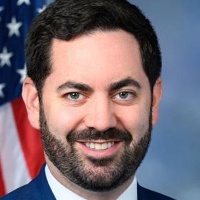
Michael Lawler
Representative
NY
Michael Lawler
Representative
NY
The Public Service Homeownership Assistance Act authorizes the Department of Housing and Urban Development to provide downpayment and closing cost loans of $10,000 to $20,000 to eligible government employees. These loans are designed to support homeownership for public servants, requiring borrowers to occupy the property as their primary residence. The program allows for flexible integration with other federal and state assistance, with repayment triggered by the sale, refinancing, or non-occupancy of the home.
The PERM Backlog Reduction Act of 2026 establishes an optional, fee-based premium processing program to ensure permanent labor certification applications are adjudicated within 30 days.
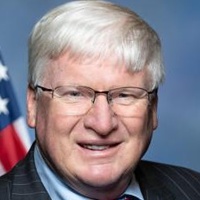
Glenn Grothman
Representative
WI
Glenn Grothman
Representative
WI
The PERM Backlog Reduction Act of 2026 establishes an optional, fee-based premium processing program to accelerate the permanent labor certification process. Under this legislation, the Department of Labor is required to adjudicate expedited Form ETA-9089 applications within 30 days. The bill ensures that these expedited services are funded by user fees while mandating that standard processing times for non-expedited applications remain unaffected.