Legislation
The Delivering Americans Affordable Homes Act establishes a Housing Liaison Office within the U.S. Postal Service to facilitate the development of affordable housing on underutilized postal properties through public-private partnerships.

Chris Van Hollen
Senator
MD
Chris Van Hollen
Senator
MD
The Delivering Americans Affordable Homes Act aims to address the national housing shortage by authorizing the United States Postal Service to lease underutilized land for residential development. By establishing a dedicated Housing Liaison Office, the Act creates a framework for partnerships between the Postal Service and public-private entities to build affordable housing on postal properties. This initiative seeks to generate new revenue for the Postal Service while increasing the availability of affordable homes in communities across the country.
The Protecting Pentagon Press Access Act mandates the restoration of historical, unescorted access for credentialed journalists within the Pentagon and prevents the Secretary of Defense from unilaterally restricting press movement or workspace.
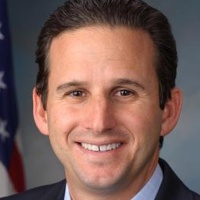
Brian Schatz
Senator
HI
Brian Schatz
Senator
HI
The Protecting Pentagon Press Access Act aims to restore independent reporting at the Department of Defense by reversing recent restrictions on credentialed journalists. The bill mandates the return of unescorted access to traditional press workspaces within the Pentagon and establishes a secure, non-political process for issuing press credentials. Additionally, it requires the Secretary of Defense to consult with Congress before implementing any future changes to press access policies.
The Supporting Disabled Entrepreneurs Act establishes a dedicated Coordinator within the Small Business Administration to improve access to capital, counseling, and contracting opportunities for disabled-owned small businesses.

Jeanne Shaheen
Senator
NH
Jeanne Shaheen
Senator
NH
The Supporting Disabled Entrepreneurs Act establishes a dedicated Coordinator for Disabled Small Business Concerns within the Small Business Administration to better support the growth and success of entrepreneurs with disabilities. This role will oversee outreach, technical training, and interagency partnerships to improve access to capital, counseling, and contracting opportunities. Additionally, the bill mandates improved data collection and reporting to better track and serve the needs of disabled-owned small businesses.
The Fairness for Farm Workers Act amends the Fair Labor Standards Act to phase in overtime pay requirements and remove long-standing labor exemptions for agricultural workers.
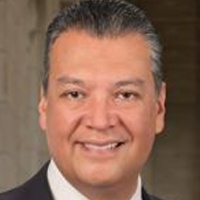
Alejandro Padilla
Senator
CA
Alejandro Padilla
Senator
CA
The Fairness for Farm Workers Act amends the Fair Labor Standards Act to ensure agricultural workers receive overtime pay and removes long-standing exemptions that have historically excluded them from these protections. The bill establishes a phased-in schedule for overtime eligibility based on employer size, ultimately standardizing labor rights for farm workers by 2033.
The Affordable Electricity Rates Act of 2026 requires the Federal Energy Regulatory Commission to prioritize consumer affordability by prohibiting rate increases that would make retail electricity prices unaffordable.
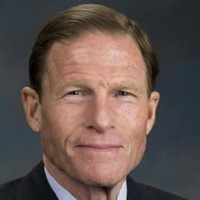
Richard Blumenthal
Senator
CT
Richard Blumenthal
Senator
CT
The Affordable Electricity Rates Act of 2026 amends the Federal Power Act to require the Federal Energy Regulatory Commission (FERC) to prioritize consumer affordability when evaluating electricity rates. Under this legislation, any rate increase projected to raise retail prices by 5% or more is presumed unaffordable and would be disqualified from being deemed "just and reasonable."
The Keeping China Off the Rails Act of 2026 establishes phased-in security requirements for railroad freight cars used to transport Department of Defense cargo to mitigate risks from foreign-manufactured equipment.

Joni Ernst
Senator
IA
Joni Ernst
Senator
IA
The Keeping China Off the Rails Act of 2026 establishes new security requirements for railroad freight cars used to transport Department of Defense cargo. The bill implements a phased-in compliance schedule to ensure these railcars meet specific manufacturing standards, while providing necessary exceptions for sensitive or clandestine military shipments.
The VITAL Act increases federal low-income housing tax credits to expand the supply of accessible, affordable housing for people with disabilities and older adults.

Amy Klobuchar
Senator
MN
Amy Klobuchar
Senator
MN
The VITAL Act aims to address the critical shortage of affordable, accessible housing for people with disabilities and older adults. By significantly increasing low-income housing tax credits and establishing new allocation requirements for states, the bill incentivizes the construction of inclusive, transit-accessible homes. These measures are designed to help individuals remain independent and integrated within their communities.
This bill requires the Secretary of the Army to report on efforts to accelerate the production, testing, and sustainment of autonomous maneuver systems and low-cost interceptors.

Elissa Slotkin
Senator
MI
Elissa Slotkin
Senator
MI
This bill requires the Secretary of the Army to submit a report by April 15, 2027, detailing efforts to accelerate the production, testing, and sustainment of autonomous maneuver systems and low-cost interceptors. The report must outline strategies for strengthening domestic supply chains, scaling manufacturing capabilities, and coordinating development across the Department of Defense.
The EGG SAVE Act of 2026 establishes a tax credit for commercial hatcheries that invest in high-accuracy, in-ovo sex identification technology to improve operational efficiency.

Todd Young
Senator
IN
Todd Young
Senator
IN
The EGG SAVE Act of 2026 establishes a temporary tax credit for commercial egg hatcheries that invest in high-accuracy, in-ovo sex identification technology. By incentivizing the adoption of this equipment, the bill aims to improve operational efficiency and modernize standards within the U.S. egg production industry. The credit is available for qualified equipment placed in service between 2027 and 2029.
The Native Language Educators in Classrooms Act establishes tailored teacher credentialing requirements for Indian Head Start and Early Head Start programs to better support Native language educators.
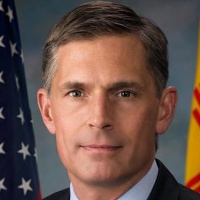
Martin Heinrich
Senator
NM
Martin Heinrich
Senator
NM
The Native Language Educators in Classrooms Act updates the Head Start Act to establish tailored teacher qualification requirements for Indian Head Start and Early Head Start programs. By creating these specific standards, the bill ensures that educators in tribal programs can meet credentialing goals while maintaining their focus on culturally responsive instruction. This legislation aims to support tribal communities in staffing their early childhood programs with qualified, locally-supported educators.
The Desalination Reauthorization Act extends federal authority for desalination programs, clarifies project eligibility criteria, and establishes a competitive grant program for advanced pilot desalination technologies.
Alejandro Padilla
Senator
CA
Alejandro Padilla
Senator
CA
The Desalination Reauthorization Act extends and updates federal authority for desalination projects, providing a clear framework for federal cost-sharing in eligible water infrastructure initiatives. The bill also establishes a new competitive grant program to advance pilot technologies for treating saline, brackish, and wastewater while managing brine discharge. These measures aim to improve water security by supporting the development and implementation of cost-effective, innovative desalination solutions.
The Green New Deal for Public Housing Act aims to modernize the nation’s public housing stock into energy-efficient, zero-carbon homes while expanding resident participation, creating high-quality jobs, and repealing limits on the construction of new public housing units.
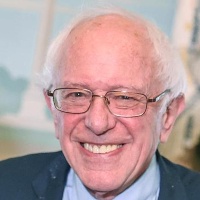
Bernard Sanders
Senator
VT
Bernard Sanders
Senator
VT
The Green New Deal for Public Housing Act aims to modernize the nation’s public housing stock by transitioning all units into highly energy-efficient, zero-carbon homes. The bill establishes comprehensive grant programs to fund deep energy retrofits, infrastructure upgrades, and resident-led workforce development projects. By repealing the Faircloth Amendment and strengthening resident councils, the legislation seeks to expand public housing capacity while ensuring safe, sustainable, and high-quality living standards for all residents.
The NIH Mentorship Modernization Act directs the Secretary of Health and Human Services to establish and support standardized, evidence-based mentorship requirements for NIH research training and career development awards.
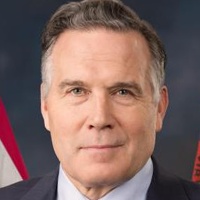
Dave McCormick
Senator
PA
Dave McCormick
Senator
PA
The NIH Mentorship Modernization Act directs the Secretary of Health and Human Services to establish standardized mentorship requirements for National Institutes of Health (NIH) research training and career development awards. This legislation aims to improve mentor-mentee engagement and professional development by implementing evidence-based practices and providing institutions with support for mentor training. The bill ensures these standards are integrated into existing reporting processes to minimize administrative burdens while fostering a more effective research training environment.
The COWS Act of 2026 incentivizes and supports farmers in adopting sustainable manure management and on-farm composting practices to reduce greenhouse gas emissions, improve soil health, and enhance environmental quality.
Alejandro Padilla
Senator
CA
Alejandro Padilla
Senator
CA
The Converting Our Waste Sustainably (COWS) Act of 2026 incentivizes farmers to adopt sustainable manure management and composting practices to reduce greenhouse gas emissions and improve soil health. The bill directs the Secretary of Agriculture to provide financial and technical assistance, with a focus on supporting small and medium-sized livestock operations. By prioritizing carbon sequestration and environmental benefits, the legislation aims to modernize on-farm waste handling and promote long-term agricultural sustainability.
This bill restricts executive bonuses at certain electric utilities to ensure they are tied to customer rate increases that do not exceed the Consumer Price Index.
Richard Blumenthal
Senator
CT
Richard Blumenthal
Senator
CT
The "No Bonuses for Utility Executives Act" restricts executive bonuses at state-regulated electric utilities starting in 2027. Bonuses are permitted only if customer rate increases do not exceed the Consumer Price Index and are capped at 25 percent of the median non-executive employee salary. Utilities that violate these limits face civil penalties, with collected funds redistributed directly to customers as refunds.
The INSPIRES Act establishes a federal grant and loan program to modernize, renovate, and repair STEM and career and technical education facilities in underserved and rural communities, with a dedicated focus on improving access for Native American students.
Brian Schatz
Senator
HI
Brian Schatz
Senator
HI
The INSPIRES Act aims to strengthen the U.S. STEM workforce by providing federal grants to modernize and renovate educational facilities, particularly in rural and Native American communities. The legislation supports the creation of high-quality STEM classrooms, laboratories, and career and technical education spaces to ensure students have access to the hands-on learning environments necessary for success in the modern economy. By prioritizing public-private partnerships and facility upgrades, the Act seeks to improve student achievement and bridge the gap in STEM educational opportunities.
The PREPARE Act establishes a pilot program to preposition aerial wildfire suppression resources in five states to improve early-season response to wildland fires.
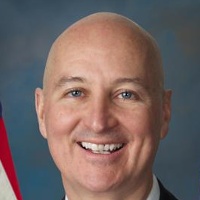
Pete Ricketts
Senator
NE
Pete Ricketts
Senator
NE
The PREPARE Act establishes a pilot program to strategically preposition aerial wildfire suppression resources across Nebraska, Colorado, Kansas, South Dakota, and Wyoming. By coordinating federal and state efforts, this initiative aims to improve response times for early-season wildfires in fine fuels. The program will be implemented using existing wildland fire management funding without requiring additional appropriations.
The Right to Worship Act prohibits the disruption of or interference with religious services at houses of worship and provides legal recourse for those affected by such conduct.

Ted Cruz
Senator
TX
Ted Cruz
Senator
TX
The Right to Worship Act prohibits the intentional disruption of or interference with religious services at houses of worship. The bill establishes civil fines and provides legal recourse for individuals, the U.S. Attorney General, and State Attorneys General to take action against those who knowingly impede access to or disturb scheduled religious gatherings.
This bill establishes that compliance with federal motor vehicle safety standards exempts manufacturers from common-law liability for failing to exceed those standards.
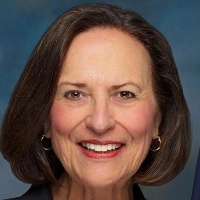
Deb Fischer
Senator
NE
Deb Fischer
Senator
NE
The Uniform Vehicle Safety Standards Act of 2026 establishes that compliance with federal motor vehicle safety standards provides a legal exemption from common-law liability claims. By ensuring these federal standards are applied uniformly, the bill aims to prevent individual lawsuits from overriding established national safety regulations. This legislation is designed to reduce the burden on interstate commerce caused by inconsistent legal standards across different jurisdictions.
The Honoring the Sacrifice of Troops in War Act of 2026 prevents the Department of Defense from reclassifying military operations to obscure casualty statistics or deny service members and their families earned benefits and recognition.

Tammy Duckworth
Senator
IL
Tammy Duckworth
Senator
IL
The **Honoring the Sacrifice of Troops in War Act of 2026** ensures transparency and accountability by preventing the Department of Defense from using administrative reclassifications to obscure the human cost of war or deny service members their earned benefits. The bill mandates that casualty records remain accurate and permanent, regardless of changes to an operation's name or status. Additionally, it requires the restoration of records and benefits for personnel affected by recent reclassifications related to Operation Epic Fury.