Legislation
The CANADA FIRE Act mandates economic and diplomatic sanctions against the Canadian government and responsible foreign officials if they fail to adequately prevent or mitigate transboundary wildfire smoke affecting the United States.
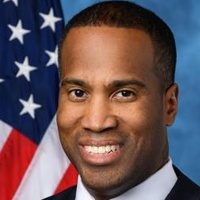
John James
Representative
MI
John James
Representative
MI
The **CANADA FIRE Act** establishes a framework for the United States to impose targeted economic and diplomatic sanctions on the Government of Canada and responsible foreign officials in response to recurring, significant wildfire smoke incursions. The bill mandates that the President determine whether Canada has failed to take reasonable measures to mitigate transboundary smoke events, with potential consequences including asset blocking, procurement bans, and visa restrictions. These sanctions are designed to encourage improved forest management and cooperation, with provisions for termination once verifiable, long-term corrective actions are implemented.
The ASSET Act eliminates restrictive asset limits for TANF, SNAP, and LIHEAP programs and increases resource limits for Supplemental Security Income (SSI) to help low-income families build financial security.
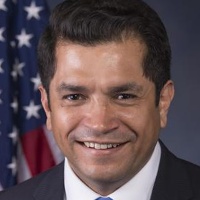
Jimmy Gomez
Representative
CA
Jimmy Gomez
Representative
CA
The Allowing Steady Savings by Eliminating Tests (ASSET) Act aims to improve financial security for low-income families by removing restrictive asset limits in key federal assistance programs, including TANF, SNAP, and LIHEAP. Additionally, the bill significantly increases and indexes resource limits for Supplemental Security Income (SSI) to account for inflation. These changes are designed to help families build savings and reduce reliance on public assistance without the fear of losing essential benefits.
The Nurse Overtime and Patient Safety Act of 2026 establishes federal limits on mandatory overtime for nurses to reduce fatigue-related medical errors and improve patient safety.
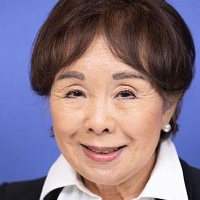
Doris Matsui
Representative
CA
Doris Matsui
Representative
CA
The Nurse Overtime and Patient Safety Act of 2026 aims to improve patient care and nurse well-being by establishing federal limits on mandatory overtime for nurses. The bill prohibits healthcare providers from requiring nurses to work beyond specified shift and weekly hour limits, except during declared emergencies. Additionally, it includes robust whistleblower and nondiscrimination protections for nurses who refuse mandatory overtime or report violations.
This bill authorizes the President to posthumously award the Medal of Honor to Earl L. Nolte for his acts of valor while serving in the Army during World War II.
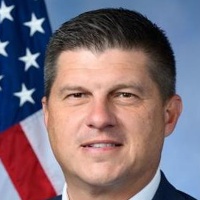
Brad Finstad
Representative
MN
Brad Finstad
Representative
MN
This bill authorizes the President to posthumously award the Medal of Honor to Earl L. Nolte for his acts of valor while serving in the U.S. Army during World War II. The legislation waives standard time limitations to allow for this recognition of his service and bravery.
This bill designates the United States Chancery building in Pristina, Kosovo, as the "Eliot L. Engel Building."
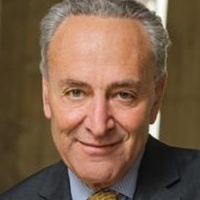
Charles Schumer
Senator
NY
Charles Schumer
Senator
NY
This bill officially designates the United States Chancery building in Pristina, Kosovo, as the "Eliot L. Engel Building." It further mandates that all official government documents, maps, and records reflect this new name.
This legislation increases funding, expands investigative authority, and mandates performance oversight to strengthen the federal government's efforts to detect and prosecute health care fraud.
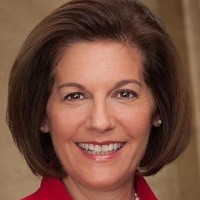
Catherine Cortez Masto
Senator
NV
Catherine Cortez Masto
Senator
NV
The Health Care Fraud Prevention and Enforcement Act strengthens efforts to combat fraud by significantly increasing funding for federal oversight agencies and expanding investigative authorities. The bill also enhances data-sharing capabilities across Medicare, Medicaid, and CHIP programs while improving reporting transparency. Additionally, it mandates a comprehensive GAO study to evaluate the effectiveness and performance of these anti-fraud initiatives.
The Chama Basin Watershed Protection Act prohibits new federal mining claims within the Rio Chama Watershed while protecting existing tribal, land grant-merced, and traditional community access rights.
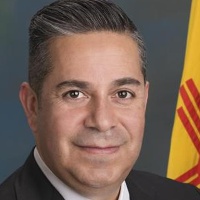
Ben Luján
Senator
NM
Ben Luján
Senator
NM
The Chama Basin Watershed Protection Act protects the Rio Chama Watershed by withdrawing specified federal lands from future mining claims and development. This legislation preserves traditional and customary land uses for local communities, including Indian Tribes and qualified land grant-mercedes, while ensuring their existing mineral rights remain unaffected.
This Act increases the federal tax credit scholarship limit to $1,700 and establishes a mechanism for annual inflation adjustments starting in 2027.
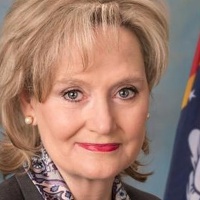
Cindy Hyde-Smith
Senator
MS
Cindy Hyde-Smith
Senator
MS
The Federal Tax Credit Scholarship Improvement Act increases the annual tax credit limit for taxpayers to $1,700, effective for taxable years beginning after December 31, 2025. Additionally, the bill establishes a mechanism for future inflation adjustments to this limit to ensure the credit maintains its value over time.
This resolution honors the Golf Course Superintendents Association of America (GCSAA) for 100 years of excellence in professional golf course management, environmental stewardship, and workforce development.
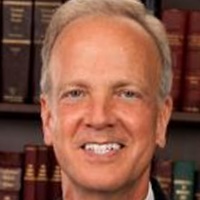
Jerry Moran
Senator
KS
Jerry Moran
Senator
KS
This resolution honors the Golf Course Superintendents Association of America (GCSAA) on its 100th anniversary. It recognizes the organization’s century of leadership in golf course management, environmental stewardship, professional education, and workforce development.
The Space Superiority Readiness Act of 2026 directs the Department of Defense to enhance Space Force training, wargaming, and intelligence reporting to ensure U.S. dominance in the space domain.
Catherine Cortez Masto
Senator
NV
Catherine Cortez Masto
Senator
NV
The Space Superiority Readiness Act of 2026 directs the Department of Defense to enhance the Space Force’s operational readiness for potential conflicts in space. The bill mandates expanded wargaming and specialized training for space operators while requiring a formal report on the military implications of Chinese commercial space capabilities.
The Protect American Values Act of 2026 prohibits the use of federal funds to implement or enforce the Department of Homeland Security’s "Public Charge Ground of Inadmissibility" rule.
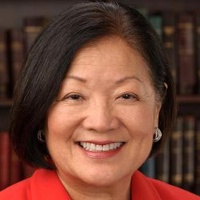
Mazie Hirono
Senator
HI
Mazie Hirono
Senator
HI
The Protect American Values Act of 2026 expresses Congressional opposition to the Department of Homeland Security’s "Public Charge Ground of Inadmissibility" rule, citing concerns over its negative impact on public health, economic stability, and immigrant families. The bill seeks to protect access to essential services by prohibiting the use of federal funds to implement, administer, or enforce the rule.
This legislation directs the U.S. government to develop a strategic plan to promote global Wi-Fi and unlicensed spectrum standards while countering efforts by foreign adversaries to undermine American technological leadership.
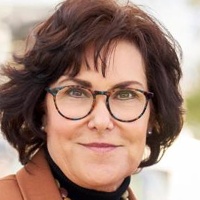
Jacky Rosen
Senator
NV
Jacky Rosen
Senator
NV
The Advancing American Wi-Fi Against Foreign Adversaries Act establishes a national strategy to maintain U.S. leadership in Wi-Fi and unlicensed spectrum technologies. It directs federal agencies to develop a comprehensive plan to promote global adoption of these technologies and counter efforts by foreign adversaries to undermine them, particularly ahead of the 2027 World Radiocommunication Conference.
This bill directs the Department of Veterans Affairs to share veteran contact information with state agencies for outreach purposes, while establishing strict privacy protections and providing veterans with an easy opt-out process.
Catherine Cortez Masto
Senator
NV
Catherine Cortez Masto
Senator
NV
The Empowering States to Serve Veterans Act directs the Department of Veterans Affairs to share veteran contact information with state agencies to improve outreach and support services. The bill includes strict privacy protections, prohibiting the sharing of sensitive personal or medical data and requiring states to maintain rigorous cybersecurity standards. Veterans are provided with clear notice and the right to opt out of this information sharing at any time.
This resolution celebrates the 2026 NATO Summit in Ankara, reaffirms the U.S. commitment to collective defense, and commends the Alliance's increased support for Ukraine and defense spending goals.
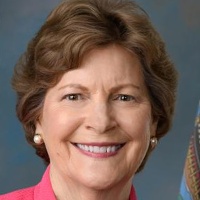
Jeanne Shaheen
Senator
NH
Jeanne Shaheen
Senator
NH
This resolution celebrates the July 2026 NATO Summit in Ankara and reaffirms the United States' steadfast commitment to the North Atlantic Treaty and collective defense. It commends NATO Allies for their increased defense spending targets and their significant military support for Ukraine. Furthermore, the resolution highlights the Alliance's unified stance against Russian aggression and ongoing efforts to ensure regional security.
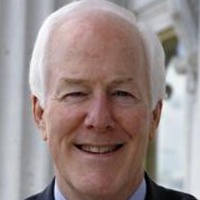
This bill designates the Department of Veterans Affairs community-based outpatient clinic in Lubbock, Texas, as the "Lieutenant General Bernie Mittemeyer VA Clinic."
John Cornyn
Senator
TX
John Cornyn
Senator
TX
This bill officially designates the Department of Veterans Affairs community-based outpatient clinic in Lubbock, Texas, as the "Lieutenant General Bernie Mittemeyer VA Clinic." All future federal references and official documentation for this facility will reflect this new name in honor of Lieutenant General Bernie Mittemeyer.
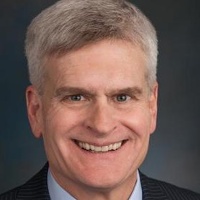
This resolution establishes a bipartisan Senate process to develop, debate, and pass legislation aimed at ensuring the long-term fiscal solvency of Social Security trust funds.
Bill Cassidy
Senator
LA
Bill Cassidy
Senator
LA
This resolution establishes a formal, bipartisan Senate process to develop and pass legislation aimed at ensuring the long-term solvency of Social Security. It mandates the creation of a bipartisan working group to draft reform proposals, provides a structured timeline for committee review, and sets expedited floor procedures for final consideration. The goal is to guarantee that the Social Security Trust Funds remain capable of paying 100 percent of scheduled benefits for at least 50 years.
This resolution celebrates the 35th anniversary of Ukraine’s independence while reaffirming the United States' commitment to Ukraine's sovereignty, democratic development, and security against Russian aggression.
Jeanne Shaheen
Senator
NH
Jeanne Shaheen
Senator
NH
This resolution commemorates the 35th anniversary of Ukraine’s independence, honoring the nation's democratic journey and its resilience against Russian aggression. It reaffirms the United States' commitment to Ukraine’s sovereignty and territorial integrity while advocating for continued diplomatic support and security cooperation. Additionally, the resolution encourages ongoing democratic reforms in Ukraine and the integration of lessons learned from the conflict to strengthen trans-Atlantic security.
This bill directs the CDC to conduct a comprehensive study on suicide risk factors among construction workers and provide Congress with policy recommendations to improve prevention efforts.
Catherine Cortez Masto
Senator
NV
Catherine Cortez Masto
Senator
NV
The Constructing the Path to Suicide Prevention Act directs the CDC to conduct a comprehensive study on the suicide risk factors specifically faced by construction workers. This legislation aims to identify key employment, organizational, and individual contributors to these tragedies. Ultimately, the findings will be used to provide Congress with evidence-based policy recommendations to improve mental health support and suicide prevention within the construction industry.
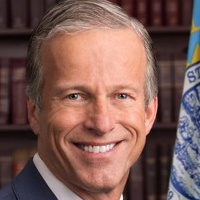
This resolution authorizes the Senate Legal Counsel to represent Senators Marsha Blackburn and Ben Ray Luján in response to subpoenas issued in the case of *Federal Trade Commission v. Key Investment Group, LLC, et al.*
John Thune
Senator
SD
John Thune
Senator
SD
This resolution authorizes the Senate Legal Counsel to represent Senators Marsha Blackburn and Ben Ray Luján in response to subpoenas issued in the case *Federal Trade Commission v. Key Investment Group, LLC, et al.* The measure ensures that the Senators receive appropriate legal representation regarding requests for documents related to their official responsibilities, consistent with Senate rules and the Ethics in Government Act.
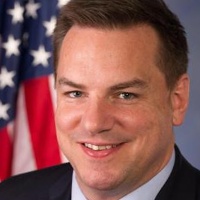
This bill extends the legislative authorization for the establishment of the National Emergency Medical Services Memorial by an additional seven years.
Richard Hudson
Representative
NC
Richard Hudson
Representative
NC
The National Emergency Medical Services Memorial Extension Act extends the federal authorization for the establishment of a National Emergency Medical Services Memorial. This legislation resets the seven-year deadline for the project, ensuring that proponents have the necessary time to complete the memorial's development.