Legislative Activity
Track David's sponsored bills, co-sponsored legislation, and voting record
The Save Our Sequoias Act establishes a comprehensive federal framework to protect, restore, and manage giant sequoia groves through collaborative partnerships, emergency response programs, and long-term reforestation strategies.
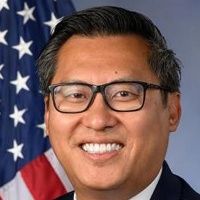
Vince Fong
Representative
CA
Vince Fong
Representative
CA
The Save Our Sequoias Act establishes a comprehensive, multi-agency framework to protect and restore giant sequoia groves from the escalating threats of wildfire, insects, and drought. The legislation creates a collaborative coalition to assess grove health, streamlines emergency protection projects, and authorizes dedicated funding and strike teams to accelerate reforestation and forest management efforts. By fostering partnerships between federal, state, and Tribal entities, the Act aims to ensure the long-term resilience and survival of these iconic trees.
The Enhanced Iran Sanctions Act of 2025 mandates broad economic and immigration sanctions on foreign individuals, entities, and financial institutions that support Iran’s nuclear, missile, drone, or terrorist activities, while specifically targeting the country's petroleum and petrochemical sectors.
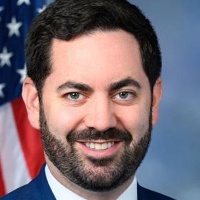
Michael Lawler
Representative
NY
Michael Lawler
Representative
NY
The Enhanced Iran Sanctions Act of 2025 strengthens U.S. policy by imposing mandatory sanctions on foreign persons and financial institutions that support Iran’s nuclear, ballistic missile, drone, and terrorist activities. The bill specifically targets Iran’s petroleum and petrochemical sectors to cut off funding for these malign programs. Additionally, it expands the State Department’s "Rewards for Justice" program to incentivize the reporting of individuals who evade these sanctions.
The SUPER BUGS Act of 2026 mandates the development of a coordinated international strategy to accelerate the creation and deployment of medical countermeasures against pandemic threats and antimicrobial-resistant pathogens.
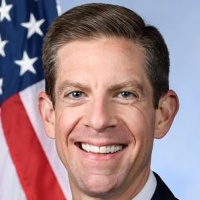
Mike Levin
Representative
CA
Mike Levin
Representative
CA
The SUPER BUGS Act of 2026 aims to strengthen U.S. national security by fostering international collaboration to combat emerging infectious diseases and antimicrobial-resistant pathogens. The bill directs the Secretary of State and the Secretary of Health and Human Services to develop and implement a global strategy for the coordinated development, commercialization, and deployment of pandemic and epidemic products. By enhancing partner countries' public health capabilities, this legislation seeks to detect and contain health threats before they reach the United States.
This resolution urges Japan to enact a nationwide ban on the slaughter and trade of dogs and cats for human consumption.
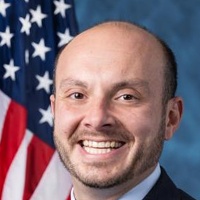
Andrew Garbarino
Representative
NY
Andrew Garbarino
Representative
NY
This resolution expresses the House of Representatives' disapproval of the slaughter of dogs and cats for human consumption. It urges Japan to enact a nationwide ban on the practice, citing the shared values and commitment to animal welfare between the United States and Japan.
The Quantum in Practice Act integrates quantum molecular modeling and simulation into the National Quantum Initiative to accelerate breakthroughs in medicine, materials science, and industrial manufacturing.
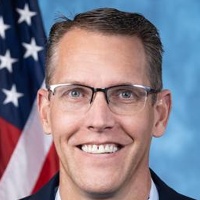
Randy Feenstra
Representative
IA
Randy Feenstra
Representative
IA
The Quantum in Practice Act formally integrates quantum molecular modeling and simulation into the National Quantum Initiative. By prioritizing this research, the bill aims to accelerate breakthroughs in fields such as medicine, energy storage, material science, and sustainable agriculture.
The Tribal Tax and Investment Reform Act of 2026 aims to promote tribal economic development and sovereignty by aligning federal tax and benefit policies for Indian Tribal Governments with those of state and local governments.
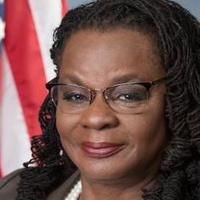
Gwen Moore
Representative
WI
Gwen Moore
Representative
WI
The Tribal Tax and Investment Reform Act of 2026 aims to achieve tax parity for Tribal governments by aligning federal tax treatment with that of state and local governments. The bill facilitates economic development by expanding access to tax-exempt bond financing, creating new tax credits for tribal area investments, and extending the Indian employment tax credit. Additionally, it clarifies the tax status of tribal pension plans, charitable foundations, and specific health-related scholarship and loan repayment programs to support tribal self-governance and community well-being.
The Specialty CROP Act of 2026 mandates an annual report to Congress identifying and analyzing foreign trade barriers that hinder the competitiveness of United States specialty crop exports.
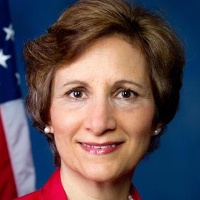
Suzanne Bonamici
Representative
OR
Suzanne Bonamici
Representative
OR
The Specialty CROP Act of 2026 mandates an annual report from the Secretary of Agriculture to Congress regarding the competitiveness of U.S. specialty crop exports. This legislation requires the identification and analysis of foreign trade barriers, their economic impact, and the executive branch's ongoing efforts to resolve these issues. By incorporating public and industry input, the Act aims to increase transparency and support the global market presence of American specialty crops.
This bill expresses support for the National FFA Organization by designating February 21-28, 2026, as National FFA Week and celebrating the 50th anniversary of the Alaska State FFA Association.
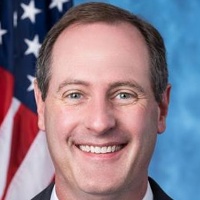
Tracey Mann
Representative
KS
Tracey Mann
Representative
KS
This resolution expresses support for the National FFA Organization and designates February 21–28, 2026, as National FFA Week. It recognizes the FFA's vital role in developing future leaders through agricultural education. The bill also celebrates the 50th anniversary of the chartering of the Alaska State FFA Association.
The Iran Human Rights, Internet Freedom, and Accountability Act of 2026 aims to support the Iranian people by expanding internet access, strengthening sanctions against regime officials, and establishing a Treasury initiative to combat Iranian government corruption and kleptocracy.
Michael Lawler
Representative
NY
Michael Lawler
Representative
NY
The Iran Human Rights, Internet Freedom, and Accountability Act of 2026 aims to support the Iranian people by expanding access to uncensored internet and communication technologies. The bill strengthens U.S. policy against regime repression by mandating investigations into human rights abuses and establishing a new Treasury initiative to combat corruption and money laundering by Iranian officials. Additionally, it enhances congressional oversight of sanctions and promotes independent media to counter state-sponsored censorship.
This Act establishes the Office of Men's Health within the Department of Health and Human Services and mandates a GAO study to address the growing national health crisis facing men.
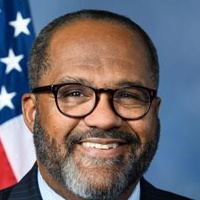
Troy Carter
Representative
LA
Troy Carter
Representative
LA
The State of Men's Health Act addresses the growing national health crisis among men, marked by shorter lifespans and higher mortality rates from leading causes of death. This legislation mandates a comprehensive study by the GAO to identify health disparities and recommend improvements. Furthermore, it establishes a dedicated Office of Men's Health within the Department of Health and Human Services to coordinate and promote programs focused on men's health education, screening, and research.
This act modernizes rural development by standardizing the population threshold for USDA and DOE programs to 25,000 inhabitants, excluding incarcerated and military populations, while also expanding eligibility to U.S. territories.
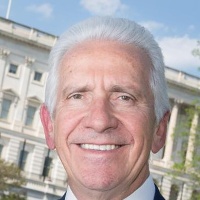
Jim Costa
Representative
CA
Jim Costa
Representative
CA
The Rural Development Modernization Act standardizes the definition of a "rural community" across key USDA programs, setting a uniform population threshold of 25,000 inhabitants. This legislation also mandates the exclusion of incarcerated and military base populations when calculating eligibility for these programs. Furthermore, it expands eligibility for federal rural development and water supply programs to include U.S. territories and clarifies definitions for various housing and energy initiatives. The bill also establishes an annual process for reassessing and potentially adjusting the rural population threshold.
The BASICS Act reforms federal highway funding by prioritizing local decision-making, establishing a new bridge repair program, and empowering metropolitan and regional planning organizations with direct funding and expanded administrative authority.
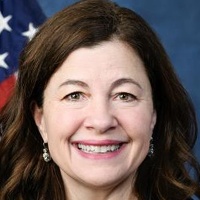
Kristen McDonald Rivet
Representative
MI
Kristen McDonald Rivet
Representative
MI
The BASICS Act (Bridges And Safety Infrastructure for Community Success Act) reforms federal transportation funding to prioritize local decision-making and infrastructure maintenance. The bill establishes a new $5.5 billion annual program for bridge repairs and replacements, while increasing support for regional and metropolitan transportation planning. Additionally, it mandates greater local consultation for project selection and streamlines the process for regional organizations to receive and manage federal transportation funds directly.
This Act allows businesses in federally or state-declared disaster areas to transfer certain unused general business credits from prior years to cover eligible operating expenses incurred after the disaster.
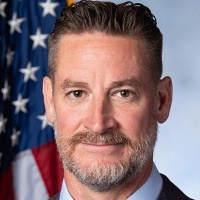
W. Steube
Representative
FL
W. Steube
Representative
FL
The Disaster Zone Energy Affordability and Investment Act allows businesses in federally or state-declared disaster areas to transfer certain unused general business tax credits from prior years. This provision is designed to help affected taxpayers by converting these credits into usable funds based on their eligible operating expenditures within the disaster zone. The credits apply to investments made following disasters declared after December 31, 2023.
This Act modifies the calculation of interest for antidumping and countervailing duty distributions and mandates a special one-time distribution of previously earned interest to eligible parties.
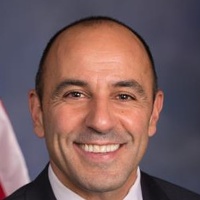
Jimmy Panetta
Representative
CA
Jimmy Panetta
Representative
CA
The Trade Cheating Restitution Act of 2026 modifies how interest is calculated for distributions of antidumping and countervailing duties, setting the relevant date back to October 1, 2000. The bill establishes a special, one-time distribution of previously earned interest to eligible parties who have received prior duty offset payments. This aims to provide restitution by distributing accumulated interest in two phases following enactment.
The PASTEUR Act of 2026 establishes a subscription-style contract program to incentivize the development and ensure the availability of novel antimicrobials against urgent threats while promoting their appropriate use.
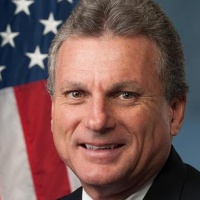
Earl Carter
Representative
GA
Earl Carter
Representative
GA
The PASTEUR Act of 2026 aims to combat antimicrobial resistance by creating a subscription-style contract program to incentivize the research and development of new, life-saving antibiotics. This program will provide substantial annual payments to drug sponsors for ensuring the availability and appropriate use of eligible antimicrobials targeting urgent threats. The bill also establishes grants to promote stewardship programs in healthcare facilities and enhance national surveillance of resistance data.
This act establishes the Domestic Cotton Consumption Credit to incentivize businesses to use U.S.-grown cotton through a verified supply chain with varying credit percentages based on processing location.
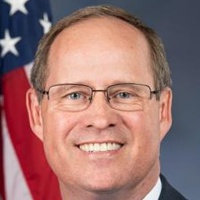
Gregory Murphy
Representative
NC
Gregory Murphy
Representative
NC
The Buying American Cotton Act of 2026 establishes the Domestic Cotton Consumption Credit to incentivize the use of U.S.-grown cotton in products sold domestically. This new business tax credit is calculated based on the volume of U.S. cotton used, the market price, and where the product was processed. The bill mandates digital tracing to verify the supply chain and offers significantly increased credit multipliers for products containing U.S.-made cotton yarn or fabric.
This bill enhances U.S.-Israel cooperation, funding, and reporting requirements to counter the growing threat of Iranian unmanned aerial systems.
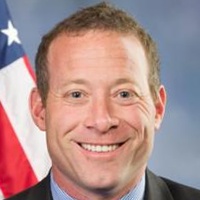
Josh Gottheimer
Representative
NJ
Josh Gottheimer
Representative
NJ
The U.S.-Israel Anti-Killer Drone Act of 2026 establishes a framework to significantly enhance joint U.S.-Israel cooperation specifically aimed at countering threats posed by Iranian unmanned aerial systems (drones). This legislation increases authorized funding for cooperative missile defense programs and mandates detailed annual reporting on joint counter-drone research, development, and deployment efforts. The goal is to accelerate the exchange of technology and expertise to defend against evolving drone attacks.
This bill establishes a Veterans Scam and Fraud Evasion Officer within the VA to coordinate fraud prevention, reporting, and veteran resource guidance, while also extending certain pension payment limits.
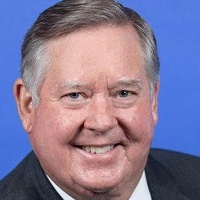
Ken Calvert
Representative
CA
Ken Calvert
Representative
CA
The Veterans Scam And Fraud Evasion Act of 2025, or VSAFE Act, establishes a dedicated Veterans Scam and Fraud Evasion Officer within the Department of Veterans Affairs. This officer will centralize the VA's efforts to prevent, report, and respond to fraud and scams targeting veterans. The role includes developing guidance, promoting reporting resources, and coordinating with other federal agencies to better protect veterans and their families.
This bill establishes a statutory definition for "essential health system" based on financial criteria related to serving Medicaid and low-income patients, and requires MACPAC to create an index and report on these hospitals.
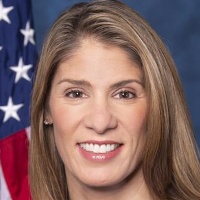
Lori Trahan
Representative
MA
Lori Trahan
Representative
MA
This bill establishes a statutory definition for an "essential health system" based on the volume of care provided to low-income and Medicaid patients. It requires the Secretary of Health and Human Services to designate qualifying hospitals for a five-year period. Furthermore, the bill mandates MACPAC to create an annual index ranking all relevant hospitals based on these financial criteria and to review payment policies supporting these essential systems.
This bill establishes a Department of Justice Task Force to combat anti-Sikh hate and discrimination through definition, education, and reporting.
Josh Gottheimer
Representative
NJ
Josh Gottheimer
Representative
NJ
The Sikh American Anti-Discrimination Act of 2026 establishes a Department of Justice Task Force dedicated to combating anti-Sikh hate and discrimination. This Task Force is charged with formally defining anti-Sikh hate, developing educational programs for law enforcement and schools, and collaborating with the Sikh community. The bill mandates annual reporting to Congress on hate crimes, legal actions, and ongoing threats against Sikhs.