Legislative Activity
Track David's sponsored bills, co-sponsored legislation, and voting record
This bill increases the railroad track maintenance tax credit, introduces annual inflation adjustments, and extends the eligibility period for qualifying expenditures.
Mike Kelly
Representative
PA
Mike Kelly
Representative
PA
This bill amends the Internal Revenue Code to expand the railroad track maintenance credit by increasing the per-mile tax credit to $6,100 and implementing annual inflation adjustments starting in 2026. It also extends the eligibility window for qualifying maintenance expenditures to include costs incurred through 2023. These updates aim to provide greater financial support for ongoing railroad infrastructure improvements.
The Security First Act strengthens border security by increasing funding for state and local law enforcement, mandating a review of foreign terrorist organization designations for major cartels, and requiring comprehensive technology and workforce assessments.
Ernest Gonzales
Representative
TX
Ernest Gonzales
Representative
TX
The Security First Act aims to strengthen U.S. border security by increasing funding for state and local law enforcement through the Operation Stonegarden grant program and a new dedicated trust fund. The bill also mandates a formal review to determine if major Mexican drug cartels and criminal gangs should be designated as foreign terrorist organizations. Additionally, it requires the Department of Homeland Security to conduct comprehensive technology needs assessments and report on its recent hiring practices to improve operational capacity.
The Agricultural Environmental Stewardship Act of 2025 extends the federal energy tax credit for qualified biogas property by one year, through December 31, 2025.
Hillary Scholten
Representative
MI
Hillary Scholten
Representative
MI
The Agricultural Environmental Stewardship Act of 2025 extends the federal energy tax credit for qualified biogas property by one year. This legislation ensures that projects beginning construction through December 31, 2025, remain eligible for critical financial incentives to support sustainable energy production.
This bill reclassifies silencers under federal tax law, removes federal registration requirements for legally transferred silencers, preempts state taxation and registration of silencers in commerce, and mandates the destruction of existing federal silencer registration records.

Ben Cline
Representative
VA
Ben Cline
Representative
VA
The Hearing Protection Act aims to remove silencers from the purview of the National Firearms Act (NFA) by treating them similarly to standard firearms under federal tax law. This legislation preempts certain state and local taxes and registration requirements related to silencers involved in interstate commerce. Furthermore, the bill mandates the destruction of existing federal silencer registration records and updates federal marking requirements for manufacturers.
This Act directs the Secretary of the Treasury to mint commemorative coins in 2028 to honor the diverse women who served on the Home Front during World War II, with proceeds supporting the Rosie the Riveter WWII Home Front National Historical Park.

John Garamendi
Representative
CA
John Garamendi
Representative
CA
The Rosie the Riveter Commemorative Coin Act directs the Secretary of the Treasury to mint and issue a series of commemorative coins in 2028 to honor the diverse women who served on the Home Front during World War II. Proceeds from the sale of these coins will support the Rosie the Riveter Trust in its efforts to maintain the Rosie the Riveter/WWII Home Front National Historical Park and fund educational programs. This initiative ensures the legacy of these essential workers is preserved and recognized through a national numismatic program.
Formally apologizes to Vietnam War veterans and their families for the mistreatment they faced, urging increased education on their sacrifices and lack of support upon returning home.

Dan Crenshaw
Representative
TX
Dan Crenshaw
Representative
TX
This bill formally acknowledges the sacrifices and courage of Vietnam War veterans, recognizing their service and the challenges they faced, including exposure to Agent Orange and the loss of over 58,000 American lives. It urges the President to address the mistreatment of these veterans and issues a formal apology on behalf of the American people for the lack of support they received both during and after the war. The bill also supports enhanced education in schools to accurately reflect the experiences of Vietnam War veterans.
The Thin Blue Line Act amends federal law to include the killing or attempted killing of law enforcement officers, firefighters, and other first responders as an aggravating factor in capital sentencing cases.

Vern Buchanan
Representative
FL
Vern Buchanan
Representative
FL
The Thin Blue Line Act amends federal law to designate the killing or attempted killing of a law enforcement officer, firefighter, or first responder as an aggravating factor in capital sentencing. This legislation ensures that when a jury considers the death penalty, they must take into account whether the victim was targeted due to their status as a public servant or while performing their official duties.
The Every Drop Counts Act expands eligibility for federal water storage and groundwater recharge grants while extending the program's authorization period to ten years.
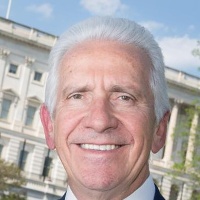
Jim Costa
Representative
CA
Jim Costa
Representative
CA
The Every Drop Counts Act expands federal grant eligibility for water storage projects, specifically including smaller surface water initiatives and groundwater recharge efforts. By doubling the program's authorization period to ten years, the bill aims to increase long-term water security. These updates are designed to support local water management while ensuring full respect for existing state and federal water rights.
This resolution establishes a new House committee focused on identifying and recommending the elimination or modification of nonessential federal programs, streamlining the process for related legislation.
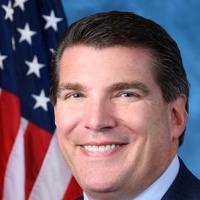
Jay Obernolte
Representative
CA
Jay Obernolte
Representative
CA
The "Finding Federal Savings Committee Resolution" establishes a new House committee focused on identifying and recommending the modification or elimination of underperforming or nonessential federal programs. This committee will be composed of members from key House committees and will operate under expedited legislative procedures to ensure efficient consideration of its recommendations. The goal is to streamline government spending by targeting inefficient programs, with the committee set to dissolve at the end of the 120th Congress.
This bill authorizes $3 million annually through 2031 to provide technical and financial support for groundwater recharge, aquifer storage, and water source substitution projects.
Jim Costa
Representative
CA
Jim Costa
Representative
CA
This bill authorizes the Secretary to allocate up to $3 million annually from 2026 through 2031 to support groundwater recharge, aquifer storage, and water source substitution projects. By providing targeted technical and financial assistance, this initiative aims to enhance long-term water security and sustainability.
The SAVE Act prohibits the sale of petroleum from the Strategic Petroleum Reserve to entities headquartered in Russia or other restricted nations.
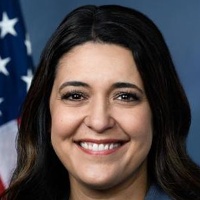
Stephanie Bice
Representative
OK
Stephanie Bice
Representative
OK
The SAVE Act (Save Americas Valuable Energy Act) prohibits the sale of petroleum from the Strategic Petroleum Reserve to entities headquartered in Russia or other restricted nations. This legislation amends the Energy Policy and Conservation Act to ensure that U.S. energy reserves are not sold to foreign adversaries.
This bill mandates that dairy processors report production costs and product yields to the Secretary of Agriculture to increase transparency in the dairy industry.
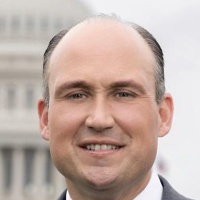
Nicholas Langworthy
Representative
NY
Nicholas Langworthy
Representative
NY
The Fair Milk Pricing for Farmers Act increases transparency in the dairy industry by requiring manufacturers to report detailed production costs and product yield data to the Secretary of Agriculture. This legislation mandates that these metrics be disclosed for all products processed within a facility, ensuring a more comprehensive view of dairy operations. The Secretary will publish these findings biennially to provide greater market insight for farmers and stakeholders.
The Valor Earned Not Stolen Act of 2025 increases prison sentences for those who fraudulently claim to have received military medals and mandates a federal study on benefits obtained through such deception.

Beth Van Duyne
Representative
TX
Beth Van Duyne
Representative
TX
The Valor Earned Not Stolen Act of 2025 increases the maximum prison sentence from one to three years for individuals who fraudulently claim to have received military medals, decorations, or combat badges. Additionally, the bill mandates a federal study to identify and address instances where such fraudulent claims have been used to illegally obtain government or veteran benefits.
The FIND Act prohibits federal agencies from contracting with entities that discriminate against the firearm and ammunition industry, ensuring fair access to government contracts for these businesses. Contractors must certify they do not discriminate against firearm entities, with violations leading to contract termination.
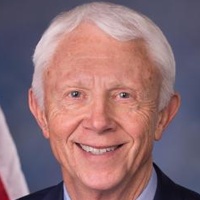
Jack Bergman
Representative
MI
Jack Bergman
Representative
MI
The FIND Act prohibits federal agencies from contracting with entities that discriminate against the firearm and ammunition industry. It requires federal contractors to certify they do not discriminate against firearm entities and prohibits them from awarding subcontracts to entities that do not provide a similar certification. Violations of these clauses will result in contract termination. The act defines "discriminate" as making judgments or refusing/limiting services based on biased criteria, rather than case-by-case evaluations, empirical data, financial risk, or legal non-compliance.
The Regulations from the Executive in Need of Scrutiny (REINS) Act of 2025 increases congressional accountability by requiring federal agencies to obtain legislative approval for all "major" rules before they can take effect.

Katherine Cammack
Representative
FL
Katherine Cammack
Representative
FL
The Regulations from the Executive in Need of Scrutiny (REINS) Act of 2025 aims to increase federal regulatory accountability by requiring Congress to approve any "major" rule before it can take effect. Under this legislation, rules with a significant economic impact require a joint resolution of approval from both chambers of Congress to become law. By shifting this authority back to the legislative branch, the Act seeks to ensure greater transparency and oversight of the federal rulemaking process.