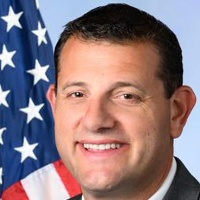
Legislative Activity
Track David's sponsored bills, co-sponsored legislation, and voting record
The National Flood Impact Reduction and Resilience Act of 2026 establishes a coordinated federal program to improve flood risk understanding, develop resilience standards, and reduce the loss of life and property through interagency collaboration and research.
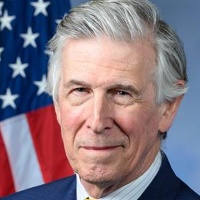
Donald Beyer
Representative
VA
Donald Beyer
Representative
VA
The National Flood Impact Reduction and Resilience Act of 2026 establishes a coordinated federal program to significantly reduce the loss of life and property caused by flooding. By fostering interagency collaboration and engaging with academia and the private sector, the program aims to improve flood risk data, develop resilient infrastructure standards, and provide technical assistance to communities nationwide.
The Earn to Learn Act establishes a competitive grant program that provides low-income students with matched savings accounts, financial literacy training, and success coaching to help them achieve their educational goals while minimizing student loan debt.
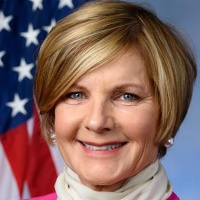
Susie Lee
Representative
NV
Susie Lee
Representative
NV
The Earn to Learn Act establishes a competitive grant program to create matched savings accounts for low-income students, helping them afford higher education while minimizing student loan debt. By providing an 8-to-1 match on student savings, the program encourages financial responsibility through mandatory financial literacy training and success coaching. This initiative aims to improve college completion rates and long-term financial stability for participants without impacting their eligibility for existing federal financial aid.
This legislation imposes sweeping economic sanctions on Russia to isolate its economy and defense sector while extending existing sanctions on Iran for an additional five years.
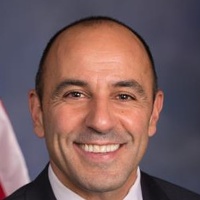
Jimmy Panetta
Representative
CA
Jimmy Panetta
Representative
CA
The Lindsey O. Graham Sanctioning Russia and Iran Act of 2026 imposes sweeping economic and financial sanctions on Russia to isolate its economy and disrupt its defense and energy sectors. The bill further mandates the extension of existing sanctions against Iran through 2031 to maintain ongoing diplomatic and economic pressure. Together, these measures aim to penalize foreign aggression and restrict access to U.S. capital and markets.
This bill increases criminal penalties for fentanyl and synthetic opioid trafficking by lowering quantity thresholds, clarifying legal definitions, and providing funding to enhance detection capabilities within the U.S. Postal Service.
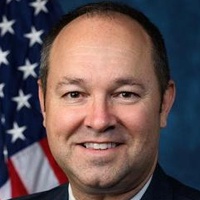
Marlin Stutzman
Representative
IN
Marlin Stutzman
Representative
IN
The "No Leniency for Fentanyl Dealers Act" strengthens federal drug enforcement by significantly lowering the quantity thresholds required to trigger mandatory minimum penalties for fentanyl and other synthetic opioid analogues. The bill also mandates updates to federal sentencing guidelines and authorizes $9 million to enhance the U.S. Postal Service’s capacity to detect and intercept illicit narcotics shipments.
This bill designates the United States Postal Service facility at 4640 Cass Street in San Diego, California, as the "Mary Wilding Memorial Post Office Building."
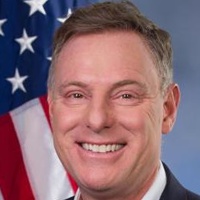
Scott Peters
Representative
CA
Scott Peters
Representative
CA
This bill designates the United States Postal Service facility located at 4640 Cass Street in San Diego, California, as the "Mary Wilding Memorial Post Office Building." All official federal references to this facility will be updated to reflect this new name.
This bill reauthorizes the Accelerating Access to Critical Therapies for ALS Act through 2031 while enhancing grant oversight, safety reporting requirements, and FDA strategic planning for rare neurodegenerative diseases.
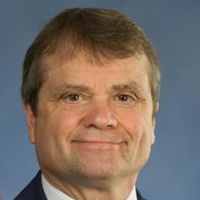
Mike Quigley
Representative
IL
Mike Quigley
Representative
IL
The Accelerating Access to Critical Therapies for ALS Reauthorization Act of 2026 extends vital funding for ALS research and clinical trial programs through 2031. This legislation strengthens oversight by enhancing grant review processes, improving safety reporting requirements, and mandating a comprehensive five-year FDA action plan to accelerate the development of treatments for rare neurodegenerative diseases.
This bill authorizes a seven-year grant program for the National Law Enforcement Officers Memorial Fund to support the National Law Enforcement Museum’s educational, community outreach, and officer wellness initiatives.
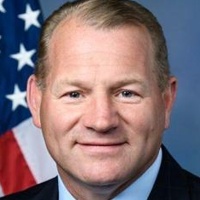
Troy Nehls
Representative
TX
Troy Nehls
Representative
TX
The National Law Enforcement Officers Remembrance, Support, and Community Outreach Act authorizes $6 million in annual grants over seven years to the National Law Enforcement Officers Memorial Fund. These funds will support the National Law Enforcement Museum’s public education, community outreach, and officer safety and wellness programs. As a condition of the grant, the museum must provide free admission to law enforcement officers and their families, as well as dedicated free hours for the general public.
The National Security Interstate Pipeline Act establishes an expedited federal approval process for interstate oil and natural gas pipelines designated as critical to national security, streamlining permitting and preempting state and local regulations.
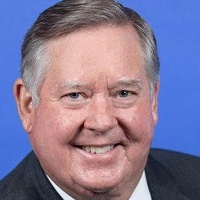
Ken Calvert
Representative
CA
Ken Calvert
Representative
CA
The National Security Interstate Pipeline Act establishes an expedited federal approval process for oil and natural gas pipelines designated by the President as essential to national security. The bill streamlines permitting by granting the Federal Energy Regulatory Commission exclusive authority, imposing strict deadlines for agency reviews, and preempting state and local regulations. Additionally, it authorizes the use of eminent domain for project development and allows the President to waive certain environmental laws to prevent project delays.
Tyler's Law mandates a study and subsequent guidance on the routine testing for fentanyl in hospital emergency departments during overdose treatment.
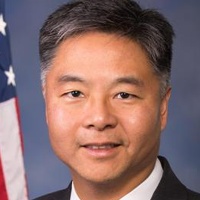
Ted Lieu
Representative
CA
Ted Lieu
Representative
CA
Tyler's Law mandates a comprehensive study by the Secretary of Health and Human Services on the frequency, cost, and impact of fentanyl testing in hospital emergency departments during overdose cases. Following the study, the Secretary must issue guidance on whether routine fentanyl testing should become standard practice for overdose patients. This guidance will also address staff training regarding existing drug test panels and the long-term health implications of such testing.
This bill clarifies that a franchisor is only considered a joint employer of a franchisee's workers if it exercises substantial, direct, and immediate control over essential terms of employment.
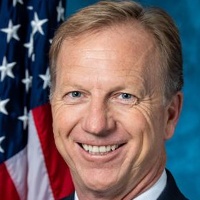
Kevin Hern
Representative
OK
Kevin Hern
Representative
OK
The American Franchise Act aims to protect the traditional franchise business model by clarifying the definition of a "joint employer." This legislation establishes that a franchisor is only considered a joint employer if it exercises "substantial direct and immediate control" over the essential terms of employment for a franchisee's workers. This change specifically targets liability risks associated with maintaining brand standards, ensuring franchisors are not automatically held responsible for local labor practices. The new standard applies prospectively to future legal proceedings.
The FDA Modernization Act 3.0 mandates updates to federal regulations to replace references to animal testing with broader "nonclinical" terminology and corrects technical errors in the Federal Food, Drug, and Cosmetic Act.
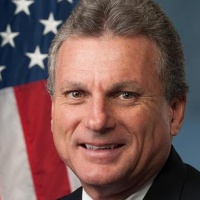
Earl Carter
Representative
GA
Earl Carter
Representative
GA
The FDA Modernization Act 3.0 directs the FDA to update federal regulations by replacing references to "animal testing" with the broader term "nonclinical tests." This update ensures regulatory consistency with modern testing standards and includes a technical correction to the Federal Food, Drug, and Cosmetic Act.
This bill designates the Department of Veterans Affairs community-based outpatient clinic in San Jose, California, as the "Corporal Patrick D. Tillman VA Clinic."
Jimmy Panetta
Representative
CA
Jimmy Panetta
Representative
CA
This bill designates the Department of Veterans Affairs community-based outpatient clinic in San Jose, California, as the "Corporal Patrick D. Tillman VA Clinic." This renaming honors the legacy of Pat Tillman, a San Jose native and former NFL player who left his professional career to serve as an Army Ranger and made the ultimate sacrifice for his country.
This bill mandates electronic prior authorization, increases transparency through required data reporting, and establishes faster decision timelines for Medicare Advantage plans to improve timely access to care for seniors.
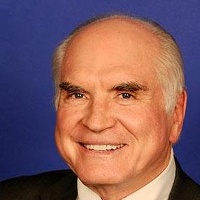
Mike Kelly
Representative
PA
Mike Kelly
Representative
PA
The Improving Seniors’ Timely Access to Care Act of 2025 aims to streamline and modernize the prior authorization process within Medicare Advantage plans. This bill mandates the adoption of electronic prior authorization systems and significantly increases transparency regarding approval rates and decision times starting in 2027. Furthermore, it establishes new enrollee protections and grants the Secretary authority to enforce faster decision timeframes for medical services.
This Act prohibits payment card networks and processors from assigning specific merchant category codes to identify firearms retailers, protecting the privacy of firearm and ammunition purchases.
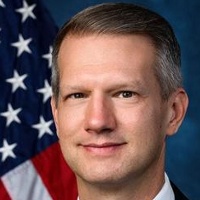
Riley Moore
Representative
WV
Riley Moore
Representative
WV
The Protecting Privacy in Purchases Act prohibits payment card networks and processors from assigning specific merchant category codes to firearms retailers. This legislation aims to protect consumer privacy by preventing the tracking of firearm and ammunition purchases through specialized financial classification. The Attorney General is tasked with enforcing these provisions and reporting annually on compliance.
This resolution designates July 10th as Journeyman Lineworkers Recognition Day to honor the essential service and sacrifices of the professionals who maintain our nation’s power grid.
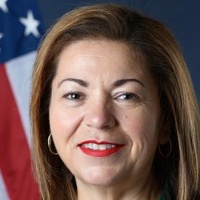
Linda Sánchez
Representative
CA
Linda Sánchez
Representative
CA
This resolution designates July 10th as Journeyman Lineworkers Recognition Day to honor the essential, high-risk work performed by these skilled professionals. It pays tribute to the lineworkers who provide critical service during emergencies and recognizes those who have made the ultimate sacrifice in the line of duty.
The Securing Agriculture's Workforce Act of 2026 modernizes the H-2A visa program by streamlining the application process through a centralized online platform, updating labor and housing requirements, and expanding the definition of eligible agricultural work.
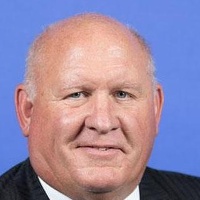
Glenn Thompson
Representative
PA
Glenn Thompson
Representative
PA
The Securing Agriculture's Workforce Act of 2026 modernizes the H-2A visa program to better support the agricultural industry by streamlining application processes and establishing a centralized online portal for employers. The bill updates labor certification, housing, and wage requirements while expanding the definition of eligible agricultural work to include a broader range of activities. Additionally, it enhances worker protections—including new heat illness prevention standards—and provides greater administrative efficiency for federal agencies managing the program.
The Residential Recovery for Seniors Act expands Medicare Part A coverage to include three levels of residential substance use disorder treatment services.
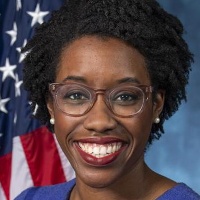
Lauren Underwood
Representative
IL
Lauren Underwood
Representative
IL
The Residential Recovery for Seniors Act expands Medicare Part A coverage to include three levels of residential substance use disorder treatment. By establishing clear clinical standards and a new prospective payment system, this legislation ensures seniors have access to essential, evidence-based addiction recovery services.
This bill designates the United States Postal Service facility located at 340 East 1st Street in Tustin, California, as the "Ursula Ellen Kennedy Post Office Building."
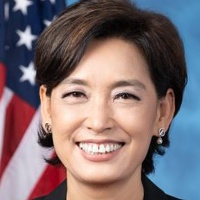
Young Kim
Representative
CA
Young Kim
Representative
CA
This bill officially designates the United States Postal Service facility located at 340 East 1st Street in Tustin, California, as the "Ursula Ellen Kennedy Post Office Building." All official references to this facility will be updated to reflect this new name.
This bill designates the United States Postal Service facility located at 6444 San Fernando Road in Glendale, California, as the "Paul Ignatius Post Office."
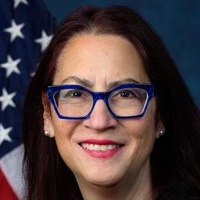
Laura Friedman
Representative
CA
Laura Friedman
Representative
CA
This bill designates the United States Postal Service facility located at 6444 San Fernando Road in Glendale, California, as the "Paul Ignatius Post Office." All official references to this location will henceforth bear this name.
The SHARE Act of 2025 establishes federal requirements for the FBI to share criminal history record information with states participating in interstate professional licensing compacts, while strictly limiting how those states can use and further disseminate that data.
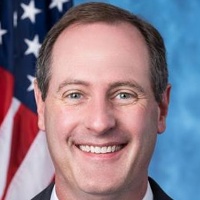
Tracey Mann
Representative
KS
Tracey Mann
Representative
KS
The SHARE Act of 2025 establishes new federal requirements for the FBI to share criminal history record information with states participating in professional licensing interstate compacts. This information sharing is strictly for the purpose of conducting background checks on applicants seeking to practice a profession in another compact state. States receiving this data are severely restricted on how they can use or further disseminate the detailed criminal history, generally only being permitted to report a binary "satisfactory" or "unsatisfactory" determination back to the compact's Commission.