The Iran Human Rights, Internet Freedom, and Accountability Act of 2026 aims to support the Iranian people by expanding internet access, strengthening sanctions against regime officials, and establishing a Treasury initiative to combat Iranian government corruption and kleptocracy.
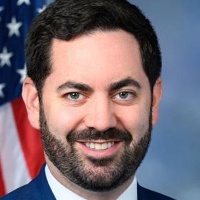
Michael Lawler
Representative
NY-17
The Iran Human Rights, Internet Freedom, and Accountability Act of 2026 aims to support the Iranian people by expanding access to uncensored internet and communication technologies. The bill strengthens U.S. policy against regime repression by mandating investigations into human rights abuses and establishing a new Treasury initiative to combat corruption and money laundering by Iranian officials. Additionally, it enhances congressional oversight of sanctions and promotes independent media to counter state-sponsored censorship.
Iran Accountability Act of 2026: $32 Million Boost for Internet Freedom and New Crackdown on Regime Wealth
This bill is a major move to help people in Iran stay connected to the world while turning up the heat on the regime’s bank accounts. It sets aside $30 million a year through 2030 specifically for grants to bypass internet blackouts and another $2 million for the Defense Innovation Unit to build tech like satellite gear and mesh networks. Beyond the tech, it creates a new 'Iran Kleptocracy Initiative' at the Treasury Department to hunt down and seize assets hidden by corrupt officials and their families, even those tucked away in U.S. real estate or bank accounts.
Digital Lifelines for the Front Lines
When the Iranian government flips the kill switch on the internet to hide crackdowns, this bill aims to keep the signal alive. By funding the development of direct-to-cell wireless and low-Earth orbit satellites, the goal is to give a student in Tehran or a journalist in Mashhad a way to post video or message the outside world without needing a local provider. The bill specifically tasks the Defense Innovation Unit with finding 'commercially available' tech that can be deployed fast, meaning we might see more rugged, portable communication kits designed to survive signal jamming and state-sponsored hacking (Sec. 3).
Following the Money Trail
The legislation doesn't just look at what's happening on the ground; it looks at who is profiting. The new Kleptocracy Initiative within FinCEN is designed to be a financial task force that catalogs the wealth of senior political figures and 'parastatal' entities—companies where the regime owns at least 25% and pulls in over $2 billion (Sec. 4). For a regular person working in U.S. banking or real estate, this could mean stricter 'beneficial ownership' rules, as the government looks to see if that luxury condo or investment fund is actually a shell for an Iranian oligarch’s family member.
Congressional Remote Control
One of the more technical but powerful parts of this bill gives Congress a direct line to trigger investigations. If a leader of a key committee—like Foreign Affairs or Intelligence—requests an investigation into a specific person for helping the regime censor or repress people, the President has 120 days to decide on sanctions and explain why (Sec. 5). This moves the needle from the executive branch having total control over who gets sanctioned to a system where lawmakers can force a public answer on specific bad actors, though it does raise questions about how 'material support' for repression will be defined in the messy world of international trade.