The SUPER BUGS Act of 2026 mandates the development of a coordinated international strategy to accelerate the creation and deployment of medical countermeasures against pandemic threats and antimicrobial-resistant pathogens.
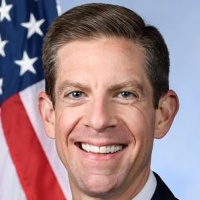
Mike Levin
Representative
CA-49
The SUPER BUGS Act of 2026 aims to strengthen U.S. national security by fostering international collaboration to combat emerging infectious diseases and antimicrobial-resistant pathogens. The bill directs the Secretary of State and the Secretary of Health and Human Services to develop and implement a global strategy for the coordinated development, commercialization, and deployment of pandemic and epidemic products. By enhancing partner countries' public health capabilities, this legislation seeks to detect and contain health threats before they reach the United States.
SUPER BUGS Act Plans Global Shield Against Next Pandemic: New Strategy Set for 2026 Launch
The SUPER BUGS Act of 2026 is essentially a high-stakes insurance policy for our borders. It recognizes that in a world where you can fly across the globe in less than a day, a virus in a distant city is just one layover away from your local grocery store. The bill directs the Secretary of State and the Secretary of Health and Human Services (HHS) to build a global 'united front' to develop medicines and vaccines specifically targeting 'priority pathogens'—those nasty, drug-resistant bacteria and viruses that current medicine struggles to kill. By 2028, the government must have a formal plan to coordinate with other countries so that the U.S. isn't footing the entire bill or doing all the homework alone.
Sharing the Tab and the Tech
One of the biggest shifts in this bill is the move toward 'equitable contributions.' Think of it like a group dinner where everyone actually pays for what they ordered, rather than the U.S. always picking up the check. Section 4 requires the government to set up arrangements where partner countries contribute based on their own budgets and expertise. For a software engineer in Seattle or a contractor in Dallas, this means tax dollars are leveraged alongside international funds to create 'qualified pandemic products.' The bill also looks at alternative payment models and streamlined regulatory approvals, which could mean that when the next big threat hits, the 'antidote' gets to the pharmacy shelf faster and without the typical bureaucratic drag.
Stopping Threats at the Source
The real-world logic here is simple: it’s cheaper and safer to put out a fire in the neighbor's yard than to wait until your own roof is on fire. The strategy focuses on strengthening the public health systems of partner countries so they can catch and contain outbreaks early. For everyday workers, this is about preventing the kind of massive economic shutdowns that disrupt supply chains and spike the cost of living. By identifying priority actions and securing contracts with U.S. companies (Sec. 4), the bill aims to ensure that when a crisis hits, we aren't scrambling for basic supplies like we were in 2020.
The Fine Print on Implementation
While the goal is clear, the 'how' is still a bit fuzzy. The bill uses broad terms like 'arrangements' with foreign entities, which leaves a lot of room for interpretation by the State Department. Within 18 months of the bill becoming law, we’ll see the actual roadmap. The challenge will be making sure these international partnerships don't get bogged down in red tape or favor big industry players over actual public health results. However, by syncing this with the National Biodefense Strategy, the bill attempts to keep everyone on the same page, ensuring that the next time a 'super bug' shows up, we’ve already done the heavy lifting to stop it.