This Act modifies the calculation of interest for antidumping and countervailing duty distributions and mandates a special one-time distribution of previously earned interest to eligible parties.
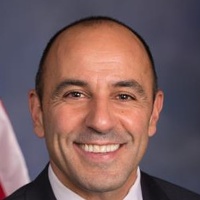
Jimmy Panetta
Representative
CA-19
The Trade Cheating Restitution Act of 2026 modifies how interest is calculated for distributions of antidumping and countervailing duties, setting the relevant date back to October 1, 2000. The bill establishes a special, one-time distribution of previously earned interest to eligible parties who have received prior duty offset payments. This aims to provide restitution by distributing accumulated interest in two phases following enactment.
Trade Cheating Restitution Act to Pay Out Decades of Unclaimed Interest to U.S. Businesses by 2027
The Trade Cheating Restitution Act of 2026 is essentially a massive accounting correction that aims to put money back into the pockets of American companies that were harmed by unfair foreign trade. When foreign competitors 'dump' products into the U.S. at artificially low prices or receive illegal government subsidies, the U.S. collects duties to level the playing field. This bill changes the rules on how interest is calculated on those duties, specifically reaching back to October 1, 2000, to ensure that the interest earned on that money actually makes its way to the domestic businesses that were originally impacted.
The Retroactive Payday
The most significant part of this bill is the creation of a special one-time distribution for past interest. If a business received a payout under the Continued Dumping and Subsidy Offset Act of 2000 in the past, they may be eligible for a slice of the interest accumulated over the last 26 years. The bill breaks this down into two waves: interest earned since 2010 must be paid out within 210 days of the bill becoming law, and older interest (from 2000 to 2010) must be distributed within another 210 days after that first wave. For a family-owned manufacturer or a local timber mill that’s been fighting off subsidized imports for decades, this could represent a significant, unexpected cash infusion based on Section 2’s updated timeline.
Cutting Through the Red Tape
To get this money, businesses can't just wait for a check in the mail; they have to be proactive. The bill requires the Commissioner of U.S. Customs and Border Protection (CBP) to publish a notice in the Federal Register. Once that notice is live, eligible companies must file a 'timely certification' to prove they still meet the original criteria from the 2000 law. While the bill is clear about the deadlines for the government to pay up, the 'timely' window for businesses to apply will be determined by the Commissioner, meaning stakeholders will need to keep a sharp eye on government announcements to avoid missing out on their share of the 'Refund of Moneys Erroneously Received and Covered' account.
Real-World Stakes for Industry
Think of this like a long-lost class action settlement for the trade world. If you’re running a steel plant or a commercial fishing operation that successfully petitioned for trade protections years ago, this bill ensures you aren't just getting the base 'damages' but also the interest that money generated while sitting in government accounts. By moving the goalposts for interest calculation back to the year 2000 (Section 2(a)), the legislation acknowledges that the 'time value' of money belongs to the victims of trade cheating, not the federal treasury. The primary challenge will be the administrative lift for CBP to track down eligible entities from two decades ago and process those certifications within the strict 210-day windows.