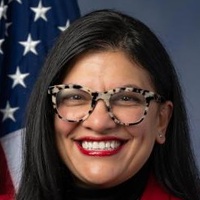
Legislative Activity
Track Rashida's sponsored bills, co-sponsored legislation, and voting record
This bill reauthorizes and increases mandatory funding for the Healthy Food Financing Initiative through fiscal year 2030 and beyond to support healthy food projects.
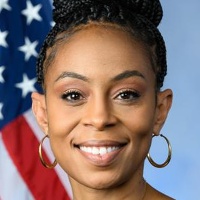
Shontel Brown
Representative
OH
Shontel Brown
Representative
OH
The Healthy Food Financing Initiative Reauthorization Act of 2025 ensures continued federal support for projects that improve access to healthy food options. This bill reauthorizes the initiative by significantly increasing mandatory funding levels, starting at \$25 million in FY 2026 and rising to \$50 million annually by FY 2030. These funds are drawn from the Commodity Credit Corporation to support healthy food infrastructure development.
This Act establishes mandatory ethics codes, recusal standards, and enhanced financial disclosure requirements for Supreme Court Justices and federal judges.

Henry Johnson
Representative
GA
Henry Johnson
Representative
GA
The Supreme Court Ethics, Recusal, and Transparency Act of 2025 establishes a mandatory, public code of conduct and a formal complaint process for Supreme Court Justices, modeled after procedures for lower federal judges. The bill also institutes stricter disclosure requirements for gifts and financial ties, and mandates judicial disqualification in cases involving recent lobbying contact or significant financial relationships with involved parties. Furthermore, it creates new review panels for disqualification motions and requires parties and *amici* to disclose financial supporters connected to the case.
This Act boosts federal funding for state diaper assistance programs through the Social Services Block Grant and expands tax-advantaged medical savings accounts to cover medically necessary diapers and supplies.
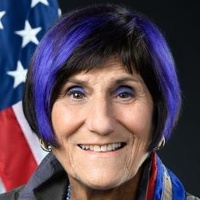
Rosa DeLauro
Representative
CT
Rosa DeLauro
Representative
CT
The End Diaper Need Act of 2025 aims to combat diaper insecurity by significantly increasing federal funding through the Social Services Block Grant program to help states distribute diapers and adult incontinence supplies to low-income families and individuals. Additionally, the bill expands tax-advantaged savings accounts, such as HSAs and FSAs, to explicitly cover the cost of medically necessary diapers and related supplies. This dual approach seeks to ensure access to essential hygiene products for vulnerable populations.
This bill posthumously awards a Congressional Gold Medal to Henrietta Lacks to recognize the monumental contributions of her immortal HeLa cells to science and medicine.
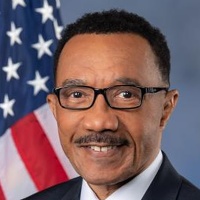
Kweisi Mfume
Representative
MD
Kweisi Mfume
Representative
MD
This bill, the Henrietta Lacks Congressional Gold Medal Act, posthumously awards a Congressional Gold Medal to Henrietta Lacks to recognize her foundational contributions to science and medicine through her immortal HeLa cells. The legislation directs the Secretary of the Treasury to strike the medal, which will ultimately be housed at the Smithsonian Institution. Furthermore, the Act authorizes the creation and sale of bronze duplicates to cover production costs.
This bill amends Medicare to require standardized cognitive impairment detection during the annual wellness visit and the initial preventive physical examination starting in 2026.
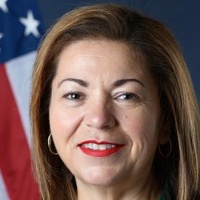
Linda Sánchez
Representative
CA
Linda Sánchez
Representative
CA
This bill amends Medicare to require cognitive impairment screening during the Annual Wellness Visit and the Initial Preventive Physical Examination. It mandates the use of specific, approved screening tools to detect potential issues like Alzheimer's disease early. The goal is to ensure timely diagnosis, allowing patients and caregivers to access necessary planning and support services sooner.
This joint resolution expresses congressional disapproval to prohibit the proposed foreign military sale of specific defense articles and services to the United Arab Emirates.
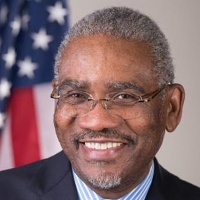
Gregory Meeks
Representative
NY
Gregory Meeks
Representative
NY
This joint resolution seeks to formally disapprove and prohibit a specific proposed foreign military sale to the United Arab Emirates. The bill directly blocks the transfer of defense articles, including Chinook helicopters, specialized navigation systems, and communications equipment. Essentially, Congress is using its authority to stop this particular arms deal from moving forward.
The Housing Stability for Dreamers Act ensures that current DACA recipients are eligible for key federal housing programs, including FHA, Rural Housing Service, Fannie Mae/Freddie Mac mortgages, and VA loan guarantees.
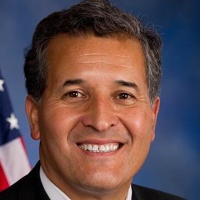
Juan Vargas
Representative
CA
Juan Vargas
Representative
CA
The Housing Stability for Dreamers Act ensures that individuals with current DACA status are eligible for key federal housing programs, including FHA mortgages and certain housing assistance. This legislation specifically prohibits federal agencies and mortgage purchasers like Fannie Mae and Freddie Mac from denying benefits based solely on DACA status. Furthermore, it clarifies that DACA recipient veterans will not be disqualified from receiving earned VA housing loan guarantees.
This joint resolution disapproves and blocks the proposed military sale of F-16 components and related services to the United Arab Emirates.
Gregory Meeks
Representative
NY
Gregory Meeks
Representative
NY
This joint resolution seeks to disapprove and halt a specific proposed foreign military sale of F-16 aircraft components, spare parts, and related support services to the Government of the United Arab Emirates. Congress is exercising its authority under the Arms Export Control Act to block this transaction. If passed, the defense articles and services outlined in Transmittal No. 2525 will not be sold to the UAE.
This Act amends budget control laws to reinforce Congress's exclusive power of the purse, clarify when funds can be withheld, and establish legal remedies, including private lawsuits, for improper impoundments.
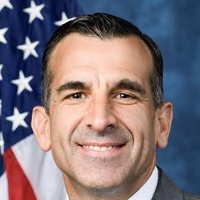
Sam Liccardo
Representative
CA
Sam Liccardo
Representative
CA
The Protecting Our Constitution and Communities Act aims to reassert Congress's exclusive constitutional authority over federal spending by clarifying that the President cannot unilaterally withhold appropriated funds. It strengthens the Comptroller General's oversight role and establishes new legal avenues for private citizens and governments to sue for damages if funds are improperly impounded. Furthermore, the bill tightens the definition of budgetary "contingencies" and ensures that judicial review of these spending disputes remains robust.
This Act establishes a new federal grant program to provide operating support for high-quality public transit that prioritizes service improvements in underserved communities, while also increasing the federal share for rural transit operating costs.
Henry Johnson
Representative
GA
Henry Johnson
Representative
GA
The Stronger Communities through Better Transit Act establishes a new federal grant program to provide operating support for high-quality public transit services. This funding is specifically targeted to improve mobility and environmental outcomes, with a requirement that the majority of funds benefit underserved communities or areas of persistent poverty. The Act also increases the federal share for rural transit operating assistance up to 80%.
This resolution asserts the Federal Government's moral and legal obligation to provide comprehensive reparations, including financial compensation, to descendants of enslaved Black people for centuries of systemic harm.
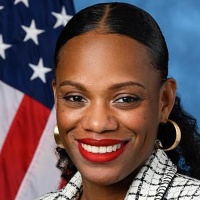
Summer Lee
Representative
PA
Summer Lee
Representative
PA
This resolution formally asserts the United States' moral and legal obligation to provide comprehensive reparations to descendants of enslaved Africans for the enduring harm caused by chattel slavery and subsequent systemic discrimination. It details centuries of state-sanctioned injustice, including economic exclusion, violence, and wealth theft. Ultimately, the bill calls for the Federal Government to take concrete actions, including financial compensation, systemic legal reform, and a formal apology, to achieve holistic repair and reconciliation.
This bill establishes mandatory minimum registered nurse-to-patient staffing ratios in hospitals to enhance patient safety, enforces these standards across federal healthcare programs, and funds initiatives to support the nursing workforce.

Janice Schakowsky
Representative
IL
Janice Schakowsky
Representative
IL
The Nurse Staffing Standards for Hospital Patient Safety and Quality Care Act of 2025 establishes mandatory minimum registered nurse-to-patient ratios across various hospital units to enhance patient safety and care quality. This legislation requires hospitals to implement detailed staffing plans, ensures enforcement through federal programs like Medicare and Medicaid, and supports the nursing workforce through expanded financial aid and retention initiatives. Furthermore, the bill protects nurses who refuse unsafe assignments and establishes clear mechanisms for reporting violations.
This Act mandates the delivery of documents and a report regarding the proposed transfer of an aircraft from Qatar to a Trump-controlled entity, while prohibiting federal funding for such transfers.
Gregory Meeks
Representative
NY
Gregory Meeks
Representative
NY
This bill mandates the Secretary of State to immediately provide Congress with all documents and a detailed report concerning the proposed transfer of an aircraft from Qatar to an entity controlled by former President Trump. Furthermore, it prohibits the use of any federal funding for aircraft transfers involving foreign governments to the U.S. Government, the President, or the Trump Presidential Library. The Act aims to ensure transparency and halt federal financial support for these specific property transfers.
This resolution expresses the House's view that President Trump must immediately submit plans to Congress for accepting a jumbo jet gift from Qatar to comply with the Foreign Emoluments Clause.
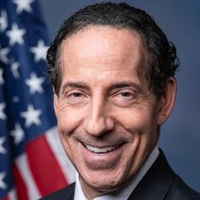
Jamie Raskin
Representative
MD
Jamie Raskin
Representative
MD
This resolution expresses the sense of the House that President Trump must comply with the Foreign Emoluments Clause regarding a reported gift of a jumbo jet from Qatar. It calls on the President to immediately submit all plans for accepting this significant gift to Congress. The bill emphasizes that the Constitution requires Congressional consent before the President can accept valuable items from foreign governments.
The Water Affordability, Transparency, Equity, and Reliability Act of 2025 establishes a dedicated trust fund financed by a corporate tax increase to improve water infrastructure, mandate affordability and equity reporting, and expand job training and assistance for underserved communities.
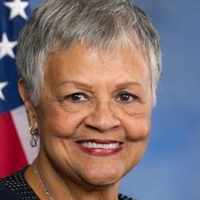
Bonnie Watson Coleman
Representative
NJ
Bonnie Watson Coleman
Representative
NJ
The Water Affordability, Transparency, Equity, and Reliability Act of 2025 establishes a dedicated federal Trust Fund, financed by an increase in the corporate tax rate, to support water infrastructure and affordability programs nationwide. The bill mandates a comprehensive EPA report analyzing water affordability, civil rights compliance, and public participation in water planning. It also significantly increases funding for household water well systems and revises state revolving loan fund rules to expand eligible projects, including lead line replacement and PFAS contamination cleanup. Finally, the Act creates new job training grants for the water sector and enhances drinking water assistance for colonias.
This bill prohibits the use of federal funds to implement Executive Order 14160, which sought to limit birthright citizenship guaranteed by the Fourteenth Amendment.
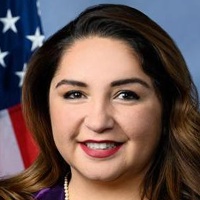
Delia Ramirez
Representative
IL
Delia Ramirez
Representative
IL
The Born in the USA Act of 2025 declares that Executive Order 14160, which attempted to restrict birthright citizenship, is unconstitutional and contrary to the 14th Amendment. This Act prohibits the use of any federal funds to implement or enforce that Executive Order. It affirms the established constitutional right to birthright citizenship for nearly everyone born on U.S. soil.
This bill prohibits individuals under 18 from having direct contact with tobacco plants or dried tobacco leaves on farms to strengthen child labor protections in tobacco agriculture.
Rosa DeLauro
Representative
CT
Rosa DeLauro
Representative
CT
The Children Don't Belong on Tobacco Farms Act amends child labor laws to prohibit individuals under 18 from having direct contact with tobacco plants or dried tobacco leaves. This change ensures that agricultural work involving direct handling of tobacco falls under federal child labor protections. The bill specifically updates exemptions to reflect this new restriction on youth employment in tobacco agriculture.
This Act mandates that health plans cover medically necessary treatment for congenital anomalies or birth defects affecting the eyes, ears, teeth, mouth, or jaw to restore normal function and appearance.
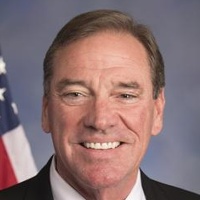
Neal Dunn
Representative
FL
Neal Dunn
Representative
FL
The Ensuring Lasting Smiles Act mandates that group health plans and insurance policies provide comprehensive coverage for medically necessary treatment related to congenital anomalies or birth defects affecting the eyes, ears, teeth, mouth, or jaw. This coverage must include services needed to restore normal function and appearance, including necessary dental and orthodontic support. Plans must apply cost-sharing rules no more restrictive than those for other medical benefits, excluding purely cosmetic procedures.
The ETHIC Act limits patent infringement lawsuits against drug and biological product manufacturers to one patent per "Patent Group" to curb the practice of creating excessive patent thickets.
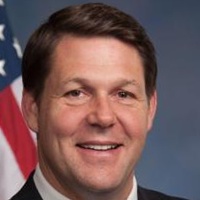
Jodey Arrington
Representative
TX
Jodey Arrington
Representative
TX
The Eliminating Thickets to Increase Competition Act (ETHIC Act) aims to curb anti-competitive practices by limiting the number of patents a company can assert in a single patent infringement lawsuit against drug or biological product competitors. This prevents brand-name manufacturers from overwhelming generic challengers with numerous, related patents, often referred to as "patent thickets." Specifically, it restricts plaintiffs to asserting only one patent per defined "Patent Group" in these actions.
This Act mandates that certain retail establishments must allow customers with certified medical conditions to use non-public restrooms if no public facility is available.

Eleanor Norton
Representative
DC
Eleanor Norton
Representative
DC
The Restroom Access Act of 2025 mandates that certain retail establishments must allow customers with certified medical conditions to use non-public restrooms under specific circumstances. To qualify, the customer must present an official ID card confirming their eligible medical need, and no public restroom must be available. This law aims to provide necessary accommodations for individuals with conditions like Crohn's disease or those requiring ostomy devices.