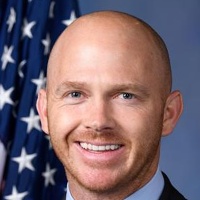
Legislative Activity
Track William's sponsored bills, co-sponsored legislation, and voting record
The Fighter Force Preservation and Recapitalization Act of 2025 aims to increase and modernize the Air Force's fighter aircraft fleet, ensuring a strong national defense through the year 2030.
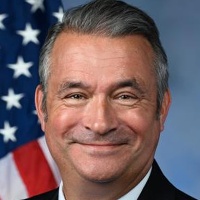
Don Bacon
Representative
NE
Don Bacon
Representative
NE
The Fighter Force Preservation and Recapitalization Act of 2025 aims to modernize and maintain the Air Force's fighter aircraft fleet by increasing the minimum number of fighter aircraft, requiring detailed reports on the fleet's status, prioritizing the assignment of new aircraft to existing squadrons, and preserving the Air National Guard's fighter capabilities. The act mandates the Air Force to assign at least three out of every four new advanced fighter aircraft to existing Air Force fighter squadrons and maintain at least 25 Air National Guard fighter aircraft squadrons. Additionally, it requires the Secretary of the Air Force to develop and submit an annual modernization plan for the Air National Guard's fighter fleet to Congress. The Act defines specific categories of fighter aircraft to clarify modernization efforts.
The "Federal Firearms Licensee Protection Act of 2025" increases penalties for stealing firearms from licensed dealers, manufacturers, or importers, especially during burglaries or robberies, and clarifies related definitions.
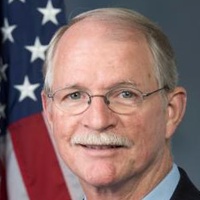
John Rutherford
Representative
FL
John Rutherford
Representative
FL
The "Federal Firearms Licensee Protection Act of 2025" increases penalties for stealing firearms from licensed dealers. It sets stricter punishments, including up to 20 years in prison, for violating laws related to firearm theft. The act also mandates minimum prison sentences of 3 years for burglaries and 5 years for robberies targeting licensed firearm businesses.
The "No More D.C. Waste Act" ensures that federal funds allocated to the District of Columbia for resident tuition support are used within the fiscal year they are appropriated and requires an annual report on the use of these funds.
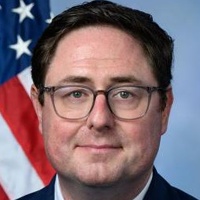
Mike Flood
Representative
NE
Mike Flood
Representative
NE
The "No More D.C. Waste Act" ensures that federal funds allocated to the District of Columbia for resident tuition support are used within the fiscal year they are appropriated. It mandates that unspent funds do not remain available indefinitely. Additionally, it requires the District of Columbia's Chief Financial Officer to submit an annual report to Congress detailing the use of these federal payments, including the number of students assisted, the average aid amount, and any unspent funds.
The "Civil Investigative Demand Reform Act of 2025" amends the Consumer Financial Protection Act to reform the process and scope of civil investigative demands issued by the CFPB, including clarifying timelines, requiring specific factual support, allowing for inquiry and judicial review, and setting standards for demands to be set aside.
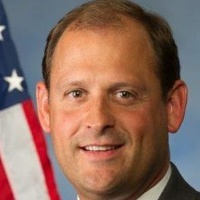
Garland Barr
Representative
KY
Garland Barr
Representative
KY
The "Civil Investigative Demand Reform Act of 2025" amends the Consumer Financial Protection Act of 2010, modifying the process for issuing and challenging civil investigative demands (CIDs) by the CFPB. These modifications include specifying timelines for issuing demands, requiring more detailed information in the demands, and creating a process for attorneys to ask questions about the scope of a demand. The bill also expands the grounds for setting aside a demand and allows for judicial review of the CFPB's denial of a petition to modify or set aside a demand.
To award a Congressional Gold Medal to the 761st Tank Battalion, the first Black soldiers to serve in an American armored unit, for their valor and crucial contributions to the Allied victory in Europe.
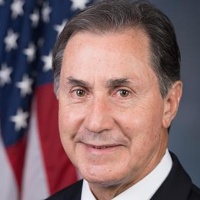
Gary Palmer
Representative
AL
Gary Palmer
Representative
AL
This bill authorizes the Speaker of the House and the President pro tempore of the Senate to award a Congressional Gold Medal to the 761st Tank Battalion, also known as the "Black Panthers," in recognition of their courageous service and crucial contributions during World War II. The medal will be given to the National Museum of African American History and Culture for display, honoring the 761st as the first Black soldiers to serve in an American armored unit and their significant role in the Allied victory in Europe. The bill also allows for the creation and sale of bronze duplicates of the medal to support the United States Mint Public Enterprise Fund.
This resolution condemns the Iranian regime’s terrorism and human rights abuses while affirming support for the Iranian people’s right to establish a democratic, secular, and non-nuclear republic.
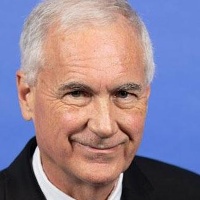
Tom McClintock
Representative
CA
Tom McClintock
Representative
CA
This resolution condemns the Iranian regime for its ongoing human rights abuses, state-sponsored terrorism, and regional instability. It expresses strong support for the Iranian people's struggle for a democratic, secular, and non-nuclear republic. Furthermore, the bill advocates for international accountability for the regime's crimes and calls for the protection of Iranian political refugees.
The America Works Act of 2025 amends the Food and Nutrition Act of 2008 to modify exemptions from work requirements for SNAP benefits and allows waivers in high-unemployment areas.
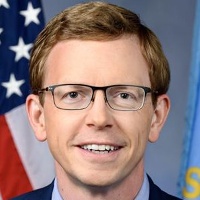
Dusty Johnson
Representative
SD
Dusty Johnson
Representative
SD
The America Works Act of 2025 amends the Food and Nutrition Act of 2008 to provide exemptions from work requirements for specific individuals, including those under 18 or over 65, medically unfit individuals, and parents of young children. It also allows the Secretary to waive certain requirements in counties with high unemployment rates, based on state agency requests. Additionally, the act removes a subsection from the Fiscal Responsibility Act of 2023.
This bill authorizes the creation of a Congressional Gold Medal to honor the volunteers and communities involved with the North Platte Canteen during World War II.

Adrian Smith
Representative
NE
Adrian Smith
Representative
NE
The North Platte Canteen Congressional Gold Medal Act recognizes and honors the volunteers and donors of the North Platte Canteen in Nebraska during World War II with a Congressional Gold Medal. This medal will be presented by the Speaker of the House and the President pro tempore of the Senate, and then displayed at the Lincoln County Historical Museum. The Act also authorizes the creation and sale of bronze duplicates of the gold medal to cover production costs, with proceeds deposited into the Mint's Public Enterprise Fund.
Allows individuals to enroll in standalone dental plans through the Health Insurance Exchange, regardless of health plan enrollment status.
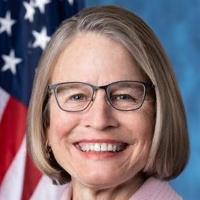
Mariannette Miller-Meeks
Representative
IA
Mariannette Miller-Meeks
Representative
IA
The "Increasing Access to Dental Insurance Act" aims to broaden access to dental coverage by enabling individuals to enroll in standalone dental plans via the Health Insurance Exchange, irrespective of their enrollment status in a qualified health plan. This expands options for individuals seeking dental insurance.
This bill prohibits the Secretary of Health and Human Services from enforcing the CMS minimum staffing standards for nursing homes published on May 10, 2024.
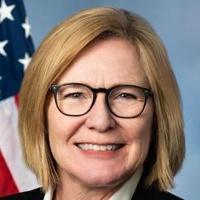
Michelle Fischbach
Representative
MN
Michelle Fischbach
Representative
MN
The Protecting America’s Seniors’ Access to Care Act prohibits the Secretary of Health and Human Services from implementing the minimum staffing level rules for nursing homes that were published by CMS on May 10, 2024. This legislation effectively blocks the enforcement of those specific staffing mandates.
This resolution expresses Congressional opposition to imposing new performance fees or royalties on local radio stations and businesses for broadcasting or playing music.
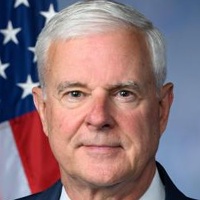
Steve Womack
Representative
AR
Steve Womack
Representative
AR
The Local Radio Freedom Act expresses Congressional opposition to imposing new performance fees, taxes, or royalties on local radio stations and businesses for playing music. It argues that the current system of free airplay provides essential promotional value to artists and that new fees would threaten the financial viability of local broadcasters and the vital community services they provide.
The "National Right-to-Work Act" prohibits mandatory union membership as a condition of employment, protecting employees' rights to choose whether or not to join or support a labor union.
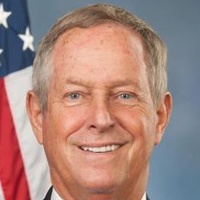
Joe Wilson
Representative
SC
Joe Wilson
Representative
SC
The "National Right-to-Work Act" amends both the National Labor Relations Act and the Railway Labor Act to protect an employee's right to choose whether or not to join or support a labor union. It eliminates the possibility of mandatory union membership or dues payments as a condition of employment, ensuring that employees cannot be forced to join or support a union against their will.
The United States-Israel Defense Partnership Act of 2025 bolsters defense cooperation between the U.S. and Israel through joint programs, funding increases, and extended authorities related to countering unmanned systems, anti-tunnel technology, emerging technologies, and war reserve stockpiles, while also exploring Israel's inclusion in the national technology and industrial base and assessing integrated air and missile defense in the CENTCOM region.
Joe Wilson
Representative
SC
Joe Wilson
Representative
SC
The United States-Israel Defense Partnership Act of 2025 seeks to bolster the defense relationship between the United States and Israel through joint initiatives and increased cooperation. It establishes programs to counter unmanned systems, extend anti-tunnel and counter-UAS cooperation, and promote collaboration in emerging technologies like AI and cybersecurity. The act also mandates the establishment of a Defense Innovation Unit office in Israel and assesses integrated air and missile defense in the U.S. Central Command region. Finally, it explores Israel's potential inclusion in the national technology and industrial base.
The Credit Union Board Modernization Act updates federal requirements to allow credit unions to determine board meeting frequency based on their age and financial performance ratings.
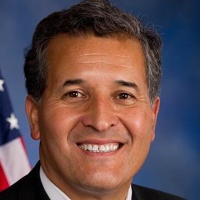
Juan Vargas
Representative
CA
Juan Vargas
Representative
CA
The Credit Union Board Modernization Act updates federal requirements for board of directors meetings, moving away from a mandatory monthly schedule. Under this bill, meeting frequency will be determined by a credit union’s age and its financial performance ratings, allowing high-performing institutions greater operational flexibility while maintaining oversight for newer or lower-rated credit unions.
The REAL Meat Act of 2025 prohibits federal funds from supporting cell-cultured meat production, research, or promotion, except for NASA's use of it for off-planet consumption.
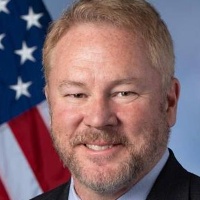
Warren Davidson
Representative
OH
Warren Davidson
Representative
OH
The "REAL Meat Act of 2025" prohibits federal funding for cell-cultured meat production, research, and promotion, defining it as lab-grown meat from animal cells. An exception is made, allowing NASA to use federal funds for cell-cultured meat intended for consumption off-planet.
This bill abolishes the United States Agency for International Development (USAID), redirecting its assets and responsibilities to the Secretary of State.
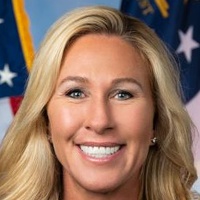
Marjorie Greene
Representative
GA
Marjorie Greene
Representative
GA
This bill proposes to eliminate the United States Agency for International Development (USAID). It would cut off all federal funding to USAID starting from the bill's enactment date. Any unspent funds previously allocated to USAID would be rescinded and transferred to the Secretary of State, along with all remaining assets and liabilities of the agency.
The Marc Fischer Memorial Act mandates the implementation of a comprehensive digital mail scanning strategy across all federal prisons to detect and interdict synthetic drugs like fentanyl.
Don Bacon
Representative
NE
Don Bacon
Representative
NE
The Marc Fischer Memorial Act mandates that the Bureau of Prisons implement a comprehensive strategy to achieve 100% digital scanning of all inmate mail to interdict fentanyl and other synthetic drugs. By transitioning to digital mail processing, the Act aims to protect staff and inmates from lethal exposure, improve institutional security, and alleviate the administrative burden on correctional personnel.
This bill mandates the formal abolishment of the United States Agency for International Development (USAID) and transfers its remaining assets and responsibilities to the Secretary of State.
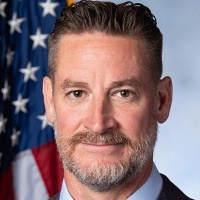
W. Steube
Representative
FL
W. Steube
Representative
FL
This bill mandates the immediate abolishment of the United States Agency for International Development (USAID) and prohibits the use of federal funds for its operations. It rescinds all unobligated agency funds and transfers all remaining assets and liabilities to the Secretary of State.
The Fair Access to Banking Act prohibits large financial institutions and payment networks from denying services to law-abiding businesses based on subjective, non-financial, or political criteria.
Garland Barr
Representative
KY
Garland Barr
Representative
KY
The Fair Access to Banking Act prohibits large financial institutions and payment networks from denying services to law-abiding businesses based on subjective, politically motivated, or reputational criteria. The bill mandates that financial institutions use impartial, quantitative, risk-based standards to evaluate customers rather than category-based exclusions. To ensure compliance, the legislation establishes enforcement mechanisms through federal regulators and provides a legal pathway for businesses to sue for damages if they are unfairly denied access to financial services.
The Dismantle DEI Act of 2025 immediately rescinds federal diversity, equity, and inclusion (DEI) mandates across executive offices, contracting, grants, and education, while banning related training and imposing penalties for non-compliance.
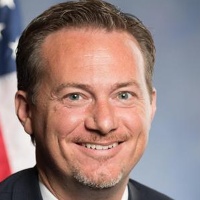
Michael Cloud
Representative
TX
Michael Cloud
Representative
TX
The Dismantle DEI Act of 2025 aims to immediately rescind diversity, equity, and inclusion (DEI) mandates across the federal government, including shutting down related offices and banning specific ideological training for federal personnel and contractors. The bill prohibits the use of federal funds for DEI activities by grant recipients and mandates that federal advisory committees cease all such practices or face termination. Furthermore, it establishes strong enforcement mechanisms, allowing individuals to sue violators and seek financial penalties for non-compliance.