Legislative Activity
Track William's sponsored bills, co-sponsored legislation, and voting record
This bill formally rejects the Internal Revenue Service's proposed rule requiring brokers to report gross proceeds from digital asset sales.

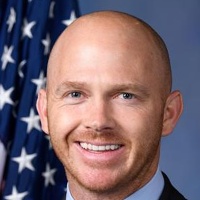
Mike Carey
Representative
OH
Mike Carey
Representative
OH
This bill seeks to formally reject a recent rule issued by the Internal Revenue Service (IRS) concerning gross proceeds reporting by brokers for digital asset sales. Through this joint resolution, Congress is exercising its authority to disapprove the specific IRS regulation. Consequently, the proposed reporting requirement will not take effect.
The Affordable Housing Credit Improvement Act of 2025 updates state allocation formulas, reforms tenant eligibility and credit determination rules, and enhances assistance for Native American and rural housing projects.
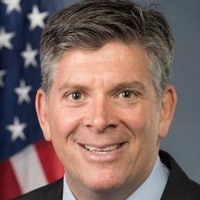
Darin LaHood
Representative
IL
Darin LaHood
Representative
IL
The Affordable Housing Credit Improvement Act of 2025 updates federal housing tax credit allocations to reflect current economic realities and boosts minimum state allotments. It reforms tenant eligibility rules to stabilize tenancy and enhance protections for vulnerable residents, including victims of abuse. The bill also provides disaster relief for property owners, increases incentives for housing the extremely low-income, and directs greater resources toward Native American and rural housing needs. Finally, it streamlines administrative processes and signals a future focus on data transparency and discouraging restrictive local zoning.
This Act promotes new bank formation by phasing in capital standards, adjusting business plan review timelines, offering temporary leverage ratio relief for rural institutions, expanding agricultural lending authority, and mandating a study on barriers to new bank creation.
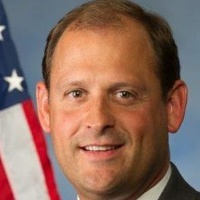
Garland Barr
Representative
KY
Garland Barr
Representative
KY
The Promoting New Bank Formation Act aims to encourage the creation of new banks by providing regulatory relief for newly insured institutions. This includes a three-year phase-in period for new capital standards and streamlined processes for adjusting initial business plans. The Act also establishes temporary, favorable capital requirements for new rural depository institutions and expands lending authority for Federal savings associations to include agricultural loans. Finally, it mandates a study on barriers to new bank formation, especially in underserved areas.
The POWER Act of 2025 establishes a temporary, income-limited tax credit of up to \$500 for qualified homeowners in disaster-prone areas who purchase an emergency generator.

Wesley Hunt
Representative
TX
Wesley Hunt
Representative
TX
The POWER Act of 2025 establishes a new, temporary tax credit of up to $500 for individuals who purchase an emergency generator for their primary residence. To qualify, homeowners must have experienced at least two major disasters in their area within the last five years and personally received federal assistance for one of those events. The credit amount is subject to phase-out based on the taxpayer's modified adjusted gross income.
The STABLE Act of 2025 establishes a comprehensive federal framework to regulate payment stablecoin issuers through strict reserve, transparency, and operational requirements while clarifying that these stablecoins are not securities.
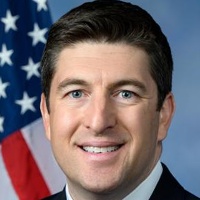
Bryan Steil
Representative
WI
Bryan Steil
Representative
WI
The STABLE Act of 2025 establishes a comprehensive federal framework for regulating payment stablecoins, requiring issuers to maintain 1:1 reserves in safe assets and adhere to strict transparency and anti-money laundering standards. The bill strictly limits issuance to approved entities, whether federally or state-qualified, and clarifies that these dollar-backed digital assets are not considered securities. Furthermore, it mandates robust consumer protection rules, ensuring customer assets are segregated and prioritized in bankruptcy proceedings.
The Secure Family Futures Act of 2025 modifies tax code provisions for applicable insurance companies by excluding certain debt from being treated as a capital asset and extending the capital loss carryover period to ten years for specific losses incurred after 2025.

Randy Feenstra
Representative
IA
Randy Feenstra
Representative
IA
The Secure Family Futures Act of 2025 modifies tax treatment for certain debt holdings of applicable insurance companies, excluding specific debt instruments from being treated as capital assets for tax purposes. Additionally, this Act extends the capital loss carryover period to 10 years for specified losses incurred by these insurance companies. These changes apply only to transactions occurring after December 31, 2025.
This Act prohibits state and local governments from imposing excise taxes on the sale of firearms, ammunition, or related parts in interstate or foreign commerce.
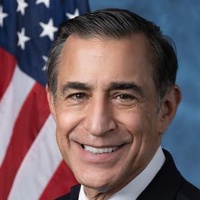
Darrell Issa
Representative
CA
Darrell Issa
Representative
CA
The Freedom from Unfair Gun Taxes Act of 2025 prohibits state and local governments from imposing excise taxes on the sale of firearms, ammunition, or firearm parts. This restriction specifically targets taxes levied on sales that involve interstate or foreign commerce. The Act explicitly preserves existing federal laws, such as the Pittman-Robertson Wildlife Restoration Act.
This act updates executive branch reorganization authority by expanding presidential objectives, redefining covered entities, removing certain restrictions, and extending the relevant deadlines to 2026.

James Comer
Representative
KY
James Comer
Representative
KY
The Reorganizing Government Act of 2025 updates the laws governing presidential executive reorganization plans. This bill expands the objectives for these plans to include reducing federal employees and eliminating burdensome regulations. It also extends the authority for the President to submit reorganization plans to Congress until the end of 2026.
This act establishes expedited judicial review and shifts the burden of proof to the government when individuals challenge NICS denials, while also mandating annual reporting on record challenges.
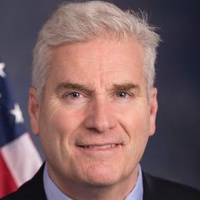
Tom Emmer
Representative
MN
Tom Emmer
Representative
MN
The Firearm Due Process Protection Act of 2025 aims to strengthen due process rights for individuals challenging denials in the National Instant Criminal Background Check System (NICS). It mandates expedited court hearings for record correction lawsuits and shifts the burden of proof onto the government to demonstrate why a person should be ineligible to own a firearm. Additionally, the bill requires the FBI to submit annual reports detailing the outcomes and timelines of all NICS record challenges.
This bill establishes national reciprocity for concealed carry permits, allowing individuals legally permitted to carry in their home state to carry a handgun in any other state that allows concealed carry.
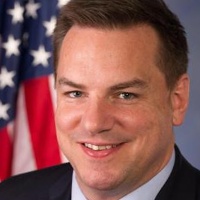
Richard Hudson
Representative
NC
Richard Hudson
Representative
NC
The Constitutional Concealed Carry Reciprocity Act of 2025 establishes a national standard for carrying concealed handguns across state lines. This act allows individuals legally permitted to carry in their home state to carry concealed in any other state that allows its residents to carry concealed firearms. The law does not override private property restrictions or prohibitions on government property, but it provides protections and legal recourse for those traveling in compliance with the new federal standard.
This Act prohibits performing an abortion solely because an unborn child has been diagnosed with Down syndrome and establishes penalties and civil actions for violations.
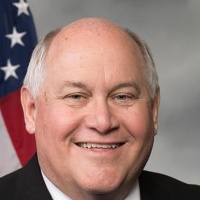
Ron Estes
Representative
KS
Ron Estes
Representative
KS
The Protecting Individuals with Down Syndrome Act prohibits performing an abortion solely because an unborn child has been diagnosed with Down syndrome. This law establishes criminal penalties for providers who violate the prohibition and allows civil lawsuits to be brought by qualified relatives. It also requires medical professionals to report suspected violations.
The Air America Act of 2025 authorizes one-time monetary awards to former Air America employees or their survivors for service supporting the CIA between 1950 and 1976.
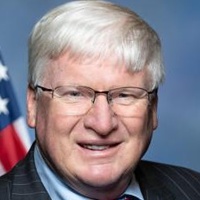
Glenn Grothman
Representative
WI
Glenn Grothman
Representative
WI
The Air America Act of 2025 recognizes the sacrifices of former Air America employees who served the U.S. Government between 1950 and 1976. This Act authorizes a one-time monetary award, up to $40,000 plus potential additional amounts, for qualifying service members or their survivors. The CIA Director is responsible for administering these payments, which are capped at a total of $60 million, and establishing the application procedures. Decisions made by the Director regarding these awards are final and not subject to judicial review.
The Fair and Open Competition Act of 2025 prohibits the federal government from requiring or penalizing bidders or contractors on federally funded construction projects based on their agreement or non-agreement with labor unions.
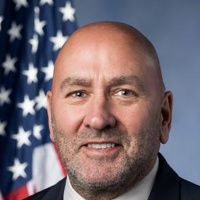
Clay Higgins
Representative
LA
Clay Higgins
Representative
LA
The Fair and Open Competition Act of 2025 ensures fair competition on federally funded construction projects by prohibiting the government from requiring or penalizing bidders based on union agreements. This legislation aims to keep federal agencies neutral in labor relations while promoting cost savings and opening opportunities for all businesses. Exceptions to this neutrality rule are strictly limited to specific public health, safety, or national security emergencies.
The Major Richard Star Act ensures that military retirees with combat-related disabilities can concurrently receive their full military retirement pay and VA disability compensation without reduction.

Gus Bilirakis
Representative
FL
Gus Bilirakis
Representative
FL
The Major Richard Star Act ensures that military retirees with combat-related disabilities can receive both their military retirement pay and VA disability compensation concurrently without reduction. This law removes previous restrictions that caused military retirement pay to be offset by VA disability payments for these specific cases. The changes take effect on the first day of the month following the Act's enactment.
This act expands the Work Opportunity Tax Credit to include employers who hire qualified military spouses.
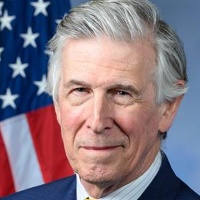
Donald Beyer
Representative
VA
Donald Beyer
Representative
VA
The Military Spouse Hiring Act amends the Internal Revenue Code to expand eligibility for the Work Opportunity Tax Credit (WOTC). This change allows employers to claim the tax credit for hiring qualified military spouses. A qualified military spouse is defined as someone certified as being married to a member of the U.S. Armed Forces.
This bill allows investors to defer taxes on capital gain dividends from mutual funds when those dividends are automatically reinvested until the shares are sold or the investor passes away.

Beth Van Duyne
Representative
TX
Beth Van Duyne
Representative
TX
This bill, the Generating Retirement Ownership through Long-Term Holding Act, allows individual investors to defer paying taxes on capital gain dividends from mutual funds if those dividends are automatically reinvested into more fund shares. Taxes on these deferred gains are only due when the investor sells the shares or upon death. This provision aims to encourage long-term investment in mutual funds by providing immediate tax relief on reinvested earnings.
This bill disapproves and nullifies the EPA's updates to regulations for new chemicals under the Toxic Substances Control Act.
Clay Higgins
Representative
LA
Clay Higgins
Representative
LA
This bill nullifies the Environmental Protection Agency's recent updates to regulations for new chemicals under the Toxic Substances Control Act (TSCA). By disapproving the rule, the bill prevents the EPA from implementing the changes outlined in the update.
This bill censures Representative Al Green for disrupting the President's address to Congress and requires him to receive a formal reprimand before the House.

Dan Newhouse
Representative
WA
Dan Newhouse
Representative
WA
This bill censures Representative Al Green of Texas for disrupting the President's address to Congress on March 4, 2025. It condemns his actions and orders him to appear before the House of Representatives to receive a formal reprimand. During this time the Speaker of the House will publicly read the resolution of censure.
Nullifies the Consumer Financial Protection Bureau's rule on overdraft lending practices of large financial institutions.

J. Hill
Representative
AR
J. Hill
Representative
AR
This bill disapproves and invalidates the Consumer Financial Protection Bureau's rule regarding overdraft lending practices of very large financial institutions. The rule, found in the Federal Register, is nullified by this disapproval.
Censures Representative Al Green for disrupting President Trump's address to Congress, violating decorum, and bringing disrepute to the House.
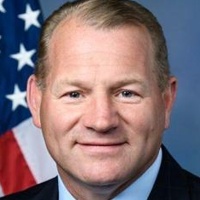
Troy Nehls
Representative
TX
Troy Nehls
Representative
TX
This resolution censures Representative Al Green for disrupting President Trump's address to Congress, violating decorum, and bringing disrepute to the House. It mandates that Representative Green present himself to the House for a public reading of the censure resolution by the Speaker.