Legislative Activity
Track William's sponsored bills, co-sponsored legislation, and voting record
This act establishes a dedicated unit within the Department of Justice to enhance the investigation and prosecution of international trade-related crimes, such as smuggling, money laundering, and duty evasion.
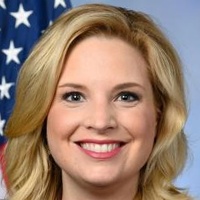
Ashley Hinson
Representative
IA
Ashley Hinson
Representative
IA
The Protecting American Industry and Labor from International Trade Crimes Act of 2026 establishes a dedicated unit within the Department of Justice to investigate and prosecute criminal trade activities, such as smuggling, duty evasion, and trade-based money laundering. This legislation aims to bolster enforcement capacity through increased staffing, interagency collaboration, and the development of multi-jurisdictional responses. Additionally, it mandates annual reporting to Congress to ensure transparency and accountability in the government's efforts to protect American industry and labor.
The Consumer Financial Protection Accountability and Reform Act of 2026 seeks to increase the CFPB’s transparency and accountability by restructuring its funding, refining its enforcement and rulemaking standards, and establishing clearer regulatory oversight for financial institutions and consumer products.
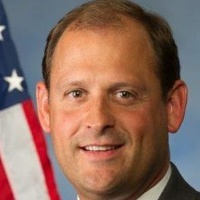
Garland Barr
Representative
KY
Garland Barr
Representative
KY
The Consumer Financial Protection Accountability and Reform Act of 2026 seeks to restructure the Consumer Financial Protection Bureau (CFPB) by bringing it under congressional appropriations and establishing more rigorous oversight and transparency requirements. The bill introduces stricter standards for enforcement actions, clarifies definitions of abusive practices, and provides new regulatory frameworks for emerging financial products like earned wage access. Additionally, it adjusts supervisory thresholds and limits the Bureau’s ability to use market-monitoring data for enforcement, aiming to increase procedural fairness for both financial institutions and consumers.
This bill restricts stock trading by Members of Congress and their families while establishing new federal requirements for voters to provide photo identification in federal elections.
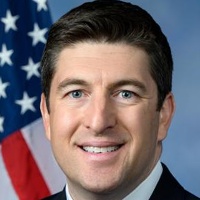
Bryan Steil
Representative
WI
Bryan Steil
Representative
WI
The Stop Insider Trading Act restricts Members of Congress, their spouses, and dependent children from purchasing or selling individual stocks to prevent conflicts of interest. Additionally, the bill mandates that voters provide valid photo identification when voting in person or by mail in federal elections.
The Main Street Act aims to foster economic growth by reducing regulatory burdens on community banks, streamlining the application and merger processes, and enhancing transparency in financial supervision.
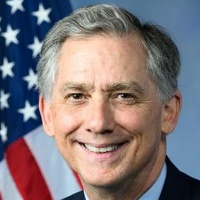
J. Hill
Representative
AR
J. Hill
Representative
AR
The Main Street Act is comprehensive legislation designed to foster a more competitive and accessible banking environment by reducing regulatory burdens on community banks and credit unions. The bill streamlines application processes, modernizes supervision standards, and enhances transparency across federal financial agencies to encourage local lending and economic growth. Additionally, it promotes innovation and financial stability by facilitating bank-fintech partnerships and improving the tools available for managing liquidity and bank resolutions.
The D.C. Taxing Authority Review Act requires explicit congressional approval for all District of Columbia laws related to taxes, fees, or Title 47 of the D.C. Code before they can take effect.

James Comer
Representative
KY
James Comer
Representative
KY
The D.C. Taxing Authority Review Act requires explicit congressional approval for any District of Columbia legislation that imposes or increases taxes or fees, or relates to Title 47 of the D.C. Code. Under this bill, such acts will no longer take effect automatically after the standard review period but must instead be passed by a joint resolution of Congress. Additionally, the legislation establishes expedited, one-hour debate limits in the Senate for these specific approval resolutions.
This bill prohibits the Department of Labor from finalizing, implementing, or enforcing the proposed rule regarding heat injury and illness prevention in outdoor and indoor work settings.
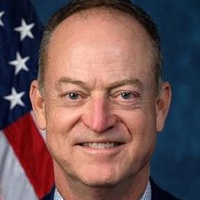
Mark Messmer
Representative
IN
Mark Messmer
Representative
IN
This act, the Heat Workforce Standards Act of 2025, prohibits the Secretary of Labor from finalizing, implementing, or enforcing the proposed rule regarding heat injury and illness prevention published in August 2024. This restriction extends to any future standard substantially similar to the one proposed.
This bill clarifies that a franchisor is only considered a joint employer of a franchisee's workers if it exercises substantial, direct, and immediate control over essential terms of employment.
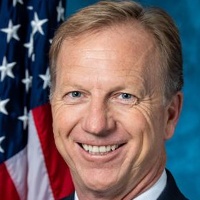
Kevin Hern
Representative
OK
Kevin Hern
Representative
OK
The American Franchise Act aims to protect the traditional franchise business model by clarifying the definition of a "joint employer." This legislation establishes that a franchisor is only considered a joint employer if it exercises "substantial direct and immediate control" over the essential terms of employment for a franchisee's workers. This change specifically targets liability risks associated with maintaining brand standards, ensuring franchisors are not automatically held responsible for local labor practices. The new standard applies prospectively to future legal proceedings.
The Chloe Cole Act of 2026 establishes a private right of action allowing individuals to sue healthcare providers for damages resulting from gender-transition medical interventions performed on them as minors.
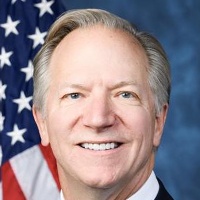
Robert Onder
Representative
MO
Robert Onder
Representative
MO
The Chloe Cole Act of 2026 establishes a federal private right of action allowing individuals to sue healthcare professionals and institutions for damages related to gender-transition medical interventions performed on them as minors. The bill permits lawsuits regardless of when the intervention occurred and sets a statute of limitations extending 25 years past the individual's 18th birthday. Additionally, it mandates strict liability for such interventions performed after the Act's enactment.
This bill mandates electronic prior authorization, increases transparency through required data reporting, and establishes faster decision timelines for Medicare Advantage plans to improve timely access to care for seniors.
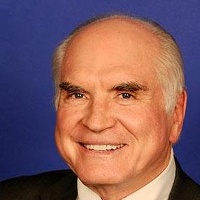
Mike Kelly
Representative
PA
Mike Kelly
Representative
PA
The Improving Seniors’ Timely Access to Care Act of 2025 aims to streamline and modernize the prior authorization process within Medicare Advantage plans. This bill mandates the adoption of electronic prior authorization systems and significantly increases transparency regarding approval rates and decision times starting in 2027. Furthermore, it establishes new enrollee protections and grants the Secretary authority to enforce faster decision timeframes for medical services.
This Act prohibits payment card networks and processors from assigning specific merchant category codes to identify firearms retailers, protecting the privacy of firearm and ammunition purchases.
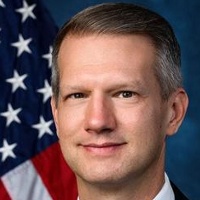
Riley Moore
Representative
WV
Riley Moore
Representative
WV
The Protecting Privacy in Purchases Act prohibits payment card networks and processors from assigning specific merchant category codes to firearms retailers. This legislation aims to protect consumer privacy by preventing the tracking of firearm and ammunition purchases through specialized financial classification. The Attorney General is tasked with enforcing these provisions and reporting annually on compliance.
The Clarity for Compensation Act amends the Securities Exchange Act of 1934 to allow registered representatives to receive compensation through personal services entities without those entities being classified as brokers.
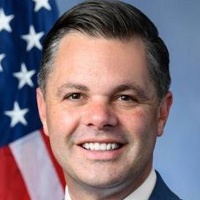
Zachary (Zach) Nunn
Representative
IA
Zachary (Zach) Nunn
Representative
IA
The Clarity for Compensation Act amends the Securities Exchange Act of 1934 to allow registered representatives to receive compensation through personal services entities without those entities being classified as brokers. This legislation establishes clear regulatory guardrails, including strict oversight, supervision, and liability requirements, to ensure these entities remain accountable for securities-related activities.
The Ounce of Prevention Act amends the Housing and Community Development Act of 1974 to authorize the use of Community Development Block Grant funds for natural disaster mitigation activities.
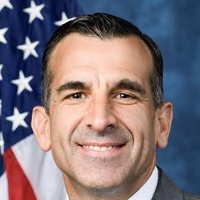
Sam Liccardo
Representative
CA
Sam Liccardo
Representative
CA
The Ounce of Prevention Act amends the Housing and Community Development Act of 1974 to allow Community Development Block Grant (CDBG) funds to be used for natural disaster mitigation activities. This legislation empowers communities in high-risk areas to invest in projects that increase resilience and reduce the long-term impact of weather-related disasters. Additionally, the bill mandates technical assistance from HUD and requires updated federal rulemaking to streamline the implementation of these mitigation efforts.
This bill supports the designation of "National Tire Safety Week" to educate Americans on the critical importance of proper tire care for crash prevention and safety.
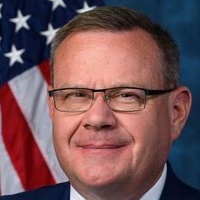
Tim Moore
Representative
NC
Tim Moore
Representative
NC
This resolution supports the designation of "National Tire Safety Week" from June 29 to July 4, 2026, to promote essential tire safety education across the United States. It emphasizes that regular tire maintenance, such as checking pressure and tread depth, is crucial for preventing crashes and saving lives. The bill encourages all Americans to participate in educational activities during this week to improve road safety.
The "Ban Abortion by Mail Act" mandates that providers of mifepristone and other abortion drugs conduct in-person patient visits and hold a valid medical license in the patient's state of residence.
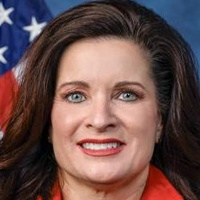
Sheri Biggs
Representative
SC
Sheri Biggs
Representative
SC
The "Ban Abortion by Mail Act" mandates that healthcare providers conduct in-person visits and hold a valid medical license in the patient's state of residence before prescribing or dispensing abortion drugs. Providers who violate these requirements face a minimum two-year loss of their FDA-mandated REMS certification. Additionally, the bill requires the Department of Health and Human Services to submit annual reports to Congress regarding providers who lose their certification due to these violations.
This bill renames and revises the Great American Outdoors Act's maintenance fund, increases dedicated funding through new, higher fees for foreign visitors, and sets spending priorities for deferred maintenance across public lands agencies.
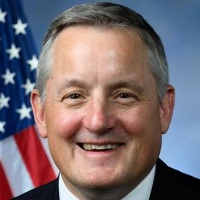
Bruce Westerman
Representative
AR
Bruce Westerman
Representative
AR
This bill, the Great American Outdoors Act 250, significantly reforms and renames the existing public lands restoration fund to the America’s Legacy Restoration Fund. It secures dedicated funding streams, primarily from energy revenues and new fees on foreign visitors, to address critical deferred maintenance across the National Park Service, Forest Service, and other public land agencies. The legislation establishes strict spending priorities for infrastructure repair while also creating pilot programs for enhancing outdoor recreation and sportsmen's access. Finally, it mandates increased transparency and accountability through standardized metrics and public reporting on all funded projects.
This Act expands the duties of agency Chief Financial Officers, establishes a 4-year governmentwide financial management plan, and strengthens internal controls to improve oversight of taxpayer funds.
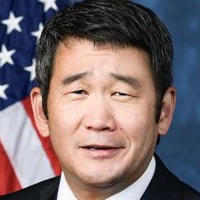
Dave Min
Representative
CA
Dave Min
Representative
CA
This Act strengthens financial accountability across federal agencies by expanding the duties of Chief Financial Officers (CFOs) to oversee critical areas like risk management and internal controls. It mandates the creation of agency-specific financial management plans tied to a new governmentwide four-year strategy. Furthermore, the bill requires more robust annual reporting from agencies and the OMB Director to ensure transparency regarding financial performance and progress.
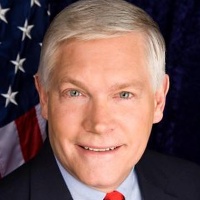
This Act establishes a new Inspector General for Fraud, Accountability, and Recovery within the Treasury Department and restructures the Fiscal Service to enhance governmentwide data analysis and coordination for preventing fraud and improper payments across federal programs.
Pete Sessions
Representative
TX
Pete Sessions
Representative
TX
The Fraud Prevention and Accountability Act restructures the Treasury Department to enhance fraud detection and financial integrity across federal spending. It establishes a new, independent Inspector General for Fraud, Accountability, and Recovery to oversee "covered funds" and mandates a governmentwide data analysis program within the Fiscal Service. This legislation aims to centralize data sharing and analytical capabilities to proactively prevent improper payments and combat fraud in major federal programs.
The Jewish American Security Act aims to combat rising antisemitism through enhanced security grants, new protections for Jewish students in education, and increased transparency requirements for online platforms regarding hate speech.

Dan Goldman
Representative
NY
Dan Goldman
Representative
NY
The Jewish American Security Act addresses the rising threat of antisemitism across the nation. This bill mandates new protections for Jewish students in educational settings and significantly increases funding and administrative support for securing Jewish community institutions. Furthermore, it requires increased transparency from large online platforms regarding their moderation of antisemitic content and mandates federal assessments of domestic and transnational antisemitic threats.
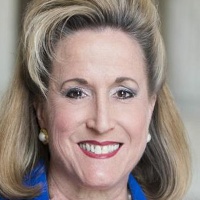
This bill updates the criteria for assessing foreign countries' efforts to reduce the demand for commercial sex acts as part of the minimum standards for eliminating human trafficking.
Ann Wagner
Representative
MO
Ann Wagner
Representative
MO
This Act updates the criteria the U.S. government uses to evaluate foreign countries' efforts to combat sex trafficking. Specifically, it requires assessing a country's actions to prohibit or implement policies against purchasing commercial sex acts. The evaluation also considers efforts to educate buyers and reduce international sex tourism by their nationals.
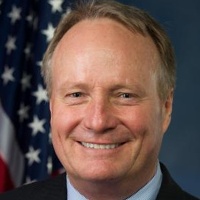
This bill establishes the Combating Organized Retail Crime Act of 2025 to enhance federal prosecution tools against organized retail and supply chain crime and create a DHS-led coordination center to align law enforcement efforts.
David Joyce
Representative
OH
David Joyce
Representative
OH
The Combating Organized Retail Crime Act of 2025 aims to combat sophisticated, cross-jurisdictional organized retail and supply chain theft. It achieves this by strengthening federal laws regarding money laundering and stolen property offenses, including lowering monetary thresholds for prosecution. Furthermore, the bill establishes a dedicated Center within the Department of Homeland Security to coordinate federal, state, and local enforcement efforts against these criminal organizations.