
Legislative Activity
Track Tina's sponsored bills, co-sponsored legislation, and voting record
This act mandates the completion of a federal background check before any firearm transfer can occur, eliminating the previous three-day default transfer provision.

Richard Blumenthal
Senator
CT
Richard Blumenthal
Senator
CT
The Background Check Completion Act of 2025 mandates that a completed background check must occur before any firearm transfer can take place. This law removes the previous "default proceed" provision that allowed transfers after three business days if the check was incomplete. It also updates related federal laws to align with this new, stricter requirement.
The FAAN Act establishes a billion-dollar grant program to support nursing schools in increasing faculty and student numbers, modernizing education, and expanding capacity to address workforce shortages and public health emergencies.

Jeff Merkley
Senator
OR
Jeff Merkley
Senator
OR
The FAAN Act establishes a new grant program to support nursing schools in addressing critical workforce shortages and modernizing education. These funds aim to increase faculty and student capacity, enhance preparedness for public health emergencies, and improve educational infrastructure. Priority is given to schools serving medically underserved, rural, or minority-serving areas.
This resolution designates December 6, 2025, as National Miners Day to honor the contributions, sacrifices, and risks faced by miners in the United States.

Jim Justice
Senator
WV
Jim Justice
Senator
WV
This resolution designates December 6th of each year as "National Miners Day." The day will honor the contributions and sacrifices of miners across the United States. It also commemorates the tragic Monongah mining disaster of 1907, which spurred significant improvements in miner safety.
This bill mandates new outreach and education efforts to help Medicare beneficiaries authorize family caregivers to access their health information via the 1-800-MEDICARE line.
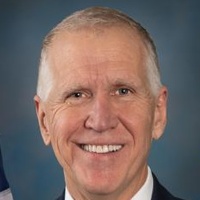
Thom Tillis
Senator
NC
Thom Tillis
Senator
NC
The Connecting Caregivers to Medicare Act of 2025 aims to simplify how Medicare beneficiaries authorize family caregivers to access their health information via the 1-800-MEDICARE line. This bill mandates comprehensive outreach and education to inform beneficiaries, caregivers, and providers about this authorization option. It also requires the development of best practices to protect beneficiaries from fraud related to accessing personal health information.
This bill establishes a permanent U.S. program, led by a Special Envoy, to promote and defend the human rights of LGBTQI people globally through policy, foreign assistance, and mandatory reporting.
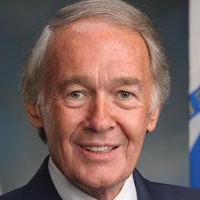
Edward Markey
Senator
MA
Edward Markey
Senator
MA
The International Human Rights Defense Act of 2025 establishes a permanent program within the Department of State, led by a dedicated Special Envoy, to protect and promote the human rights of LGBTQI people globally. This bill mandates the creation of a comprehensive U.S. Global Strategy to address international discrimination and violence against this community. Furthermore, it authorizes foreign assistance to support local organizations and requires detailed reporting on LGBTQI human rights abuses in annual State Department reports.
This act establishes a USDA program to provide grants for eligible entities to expand domestic capacity, modernize systems, and improve the supply chain for certified organic products.

Tammy Baldwin
Senator
WI
Tammy Baldwin
Senator
WI
The Domestic Organic Investment Act of 2025 establishes a new program within the USDA to strengthen the domestic supply chain for certified organic products. This program will provide grants to eligible U.S. entities for projects that expand storage, processing, and distribution capacity. The goal is to modernize infrastructure and improve the ability of domestic producers to compete in the organic market.
This bill strengthens community behavioral health clinics by establishing new Medicaid and Medicare payment systems, creating federal grants for expansion, and providing liability protection for their clinicians.

John Cornyn
Senator
TX
John Cornyn
Senator
TX
The Ensuring Excellence in Mental Health Act comprehensively reforms mental health care by strengthening Certified Community Behavioral Health Clinics (CCBHCs) across Medicaid and Medicare programs. It establishes new, cost-based payment systems and expands required services, including specialized veteran care, to ensure comprehensive community access. Furthermore, the bill creates a new federal grant program to fund and support these clinics nationwide. Finally, it extends federal liability protections to clinicians working within these certified centers.
This resolution condemns white supremacy, antisemitism, and the platforming of extremist figures like Nick Fuentes by media personalities and institutional leaders.

Charles Schumer
Senator
NY
Charles Schumer
Senator
NY
This resolution strongly condemns white supremacy, hate, and antisemitism, specifically targeting the promotion of these dangerous ideologies by Nick Fuentes. It further condemns Tucker Carlson and Kevin Roberts for platforming and defending Fuentes's documented antisemitic and Holocaust-denying statements. The resolution affirms the nation's commitment to fighting antisemitism and urges all leaders to reject these hateful views.
This bill establishes the PBM Price Transparency and Accountability Act to mandate transparent pricing, prohibit spread pricing in Medicaid, ensure fair pharmacy access and PBM accountability in Medicare Part D, and require extensive reporting across both programs.

Michael Crapo
Senator
ID
Michael Crapo
Senator
ID
The PBM Price Transparency and Accountability Act aims to increase fairness and oversight in prescription drug pricing across Medicaid and Medicare Part D. It mandates transparent payment models for Medicaid, prohibiting abusive spread pricing by Pharmacy Benefit Managers (PBMs). Additionally, the bill establishes new network access standards for Medicare pharmacies and imposes strict compensation and reporting requirements on PBMs to ensure accountability to Medicare plans.
This bill extends ACA financial assistance, lengthens enrollment periods, increases insurer accountability, and simplifies enrollment to make marketplace health coverage more affordable and accessible.

Lisa Blunt Rochester
Senator
DE
Lisa Blunt Rochester
Senator
DE
The Restoring Patient Protections and Affordability Act of 2025 aims to strengthen the Affordable Care Act marketplaces by extending financial assistance and lengthening enrollment periods to keep coverage affordable. It also increases transparency by requiring insurers to notify enrollees of key coverage changes and establishes new rules to simplify enrollment and stabilize market costs. Overall, the bill seeks to increase health insurance accessibility and provide greater financial predictability for consumers.
This Act establishes a process for creating new federal rules that mandate airlines compensate passengers for flight cancellations and significant delays caused by the airline.

Mark Kelly
Senator
AZ
Mark Kelly
Senator
AZ
This Act establishes a process for the FAA to create new rules mandating airline compensation for flight cancellations and significant delays within the airline's control. It requires the formation of a committee to develop recommendations, including specific cash compensation amounts, free rebooking, and coverage for amenities like meals and lodging. The Secretary of Transportation must then issue proposed and interim final rules to implement these passenger protections, including an immediate interim compensation of $750 for airline-caused disruptions.
This resolution celebrates the 50th anniversary of the Individuals with Disabilities Education Act (IDEA) and reaffirms commitment to its principles of providing a free, appropriate public education for children with disabilities.

Chris Van Hollen
Senator
MD
Chris Van Hollen
Senator
MD
This resolution celebrates the 50th anniversary of the Individuals with Disabilities Education Act (IDEA) and recognizes its transformative impact on ensuring a free, appropriate public education for children with disabilities. It honors the millions who have benefited from IDEA and reaffirms commitment to its principles. *Note: The provided text also includes details about a separate "Housing for All" program, which is not addressed in this summary as the primary focus of the resolution appears to be IDEA.*
This bill establishes a new public health insurance plan called Medicare-X Choice, expands premium tax credits, creates a reinsurance program, and strengthens antitrust enforcement in healthcare.

Michael Bennet
Senator
CO
Michael Bennet
Senator
CO
The Medicare-X Choice Act of 2025 establishes a new, low-cost public health insurance option, the Medicare Exchange plan, available nationwide on the ACA marketplaces starting in 2028. The bill also creates a national reinsurance program to lower individual market premiums and expands premium tax credit eligibility by removing the 400% income cap and fixing the "family glitch." Furthermore, it grants Medicare the authority to negotiate prescription drug prices and increases funding for antitrust enforcement in healthcare markets.
This bill exempts unaccompanied children from various immigration fees, restricts certain body examinations, limits sponsor information sharing with immigration enforcement, and mandates refunds for previously paid fees.

Catherine Cortez Masto
Senator
NV
Catherine Cortez Masto
Senator
NV
The Upholding Protections for Unaccompanied Children Act of 2025 aims to strengthen protections for unaccompanied children navigating the immigration system. This bill exempts these children from various immigration-related fees, including those for asylum and employment authorization. Furthermore, it places limitations on body examinations and restricts the sharing of sponsor information with immigration enforcement agencies. The Act also mandates the refund of previously paid fees that are now waived.
This resolution designates November 22, 2025, as National Adoption Day and November 2025 as National Adoption Month to raise awareness and celebrate adoption.

Kevin Cramer
Senator
ND
Kevin Cramer
Senator
ND
This resolution officially designates November 22, 2025, as National Adoption Day and November 2025 as National Adoption Month. The measure aims to raise national awareness about the children awaiting adoption and celebrate those involved in adoption. It encourages all Americans to promote safety, permanency, and well-being for children across the nation.
This Act prohibits discrimination based on religion, sex, or marital status in federally funded child welfare services while establishing measures to improve outcomes for LGBTQ youth in care.

Kirsten Gillibrand
Senator
NY
Kirsten Gillibrand
Senator
NY
The John Lewis Every Child Deserves a Family Act prohibits discrimination based on religion, sex, or marital status in federally funded child welfare services. This aims to increase the number of available, stable foster and adoptive homes, particularly for LGBTQ youth and youth of color who are overrepresented in the system. The bill mandates federal guidance, cultural competency training, and the establishment of a resource center to improve safety and permanency outcomes for all children in care. Entities found in violation may face the withholding of federal payments.
This bill mandates increased Tribal consultation in federal food assistance programs and establishes emergency procedures for supply chain disruptions affecting food distribution to Indian reservations and supplemental food programs.
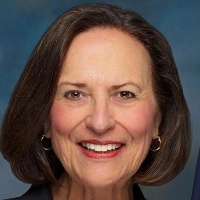
Deb Fischer
Senator
NE
Deb Fischer
Senator
NE
The Increasing Tribal Input on Nutrition Act of 2025 strengthens Tribal involvement in federal food assistance programs. It mandates consultation with Tribes when evaluating contracts for the Food Distribution Program on Indian Reservations. Furthermore, the bill establishes emergency procedures, including designating emergency contractors, to address supply chain disruptions affecting both the Food Distribution Program and the Commodity Supplemental Food Program.
This act restores previous agricultural laws by repealing sections of Public Law 11921 to enhance food security for American families and farmers.
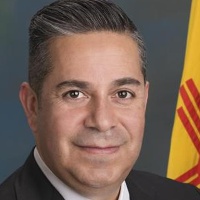
Ben Luján
Senator
NM
Ben Luján
Senator
NM
The Restoring Food Security for American Families and Farmers Act of 2025 aims to strengthen domestic food security by repealing specific sections of a previous law (Public Law 11921). This repeal effectively reinstates the original statutes that were previously altered by those sections.
This bill establishes a new, tiered loan forgiveness schedule and streamlines the employment certification process for public service workers with newer federal student loans.
Richard Blumenthal
Senator
CT
Richard Blumenthal
Senator
CT
This Act establishes the Strengthening Loan Forgiveness for Public Service Workers Act, which creates a new, tiered loan forgiveness schedule for newer public service loans. Borrowers will see increasing percentages of their loan balance canceled after reaching specific payment milestones, culminating in full forgiveness after 120 qualifying payments. The bill also streamlines the employment certification process and ensures that interest accruing during the application review period is canceled.
This act establishes Medicare coverage for early detection screening tests for Alzheimer's disease and related dementias beginning in 2028.

Susan Collins
Senator
ME
Susan Collins
Senator
ME
The Alzheimer's Screening and Prevention Act (ASAP Act) amends Medicare to cover early detection screening tests for Alzheimer's disease and related dementias beginning in 2028. This coverage applies to FDA-cleared tests designed to detect pre-symptomatic or early-stage conditions. The legislation specifically outlines the types of genomic and imaging tests that will qualify for Medicare payment.