This act restores previous agricultural laws by repealing sections of Public Law 11921 to enhance food security for American families and farmers.
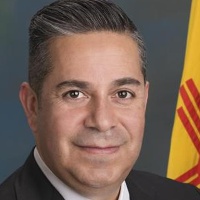
Ben Luján
Senator
NM
The Restoring Food Security for American Families and Farmers Act of 2025 aims to strengthen domestic food security by repealing specific sections of a previous law (Public Law 11921). This repeal effectively reinstates the original statutes that were previously altered by those sections.
New Bill Undoes Prior Food Security Law: Full Repeal of PL 11921 Sections Creates Policy Vacuum
The Restoring Food Security for American Families and Farmers Act of 2025 is short, but it packs a potentially massive punch by doing one thing: completely erasing several sections of a prior law. Specifically, this bill repeals Sections 10101 through 10108 of Public Law 11921 (PL 11921). When legislation repeals sections of a previous law, it doesn't just delete them; it restores whatever laws those sections had previously changed. Think of it like hitting the undo button on eight specific policy changes made years ago.
The Policy Black Box: What Exactly Is Being Restored?
This is where things get tricky, and frankly, a little murky. The bill’s title promises to restore food security, which sounds great, especially for families watching grocery prices climb. However, the bill text itself doesn't tell us what PL 11921, Sections 10101–10108 actually did. Were they regulations on farm subsidies? Rules about food safety inspections? Requirements for certain types of crop insurance? We don't know, and that lack of context is a big deal.
For the average person, this repeal means we are seeing a significant policy change without knowing the specific rules that are coming back into effect. Imagine your boss tells you they’re reverting to the old vacation policy, but they can’t remember what the old policy was. That’s essentially what’s happening here. If those repealed sections of PL 11921 were put in place to fix a specific problem—say, to streamline aid distribution during a drought—their removal could bring that problem right back.
Real-World Ripple Effects: Who Feels the Change?
This move has two main groups that need to pay attention. First, there are the farmers and agricultural businesses that had adapted their operations to comply with the rules established by PL 11921. They now have to pivot back to the older, reinstated regulations. This could mean changes to reporting requirements, different subsidy eligibility rules, or shifts in commodity programs. For a small family farm, adapting to sudden regulatory whiplash like this costs time, money, and administrative headache.
Second, the general public is affected by the uncertainty. If the laws being restored are outdated or less effective than the ones in PL 11921, we could see instability in the food supply chain or changes in food costs. For instance, if the restored laws make it harder for certain producers to get necessary aid, that stress eventually trickles down to the consumer in the form of higher prices or less variety at the grocery store. While the title suggests a benefit, the mechanism—a blind repeal—introduces significant risk simply because we can’t see the details of the policy that’s being revived.