
Legislative Activity
Track Tina's sponsored bills, co-sponsored legislation, and voting record
This resolution designates August 22–30, 2026, as "National Park Week" to celebrate the history, economic impact, and preservation of the National Park System.
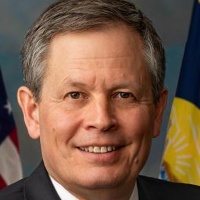
Steve Daines
Senator
MT
Steve Daines
Senator
MT
This resolution designates August 22 through August 30, 2026, as "National Park Week" to honor the National Park Service’s history and ongoing contributions. It recognizes the vital role these parks play in recreation, education, and the economy while encouraging the public to celebrate and support the preservation of our national treasures.
The Momnibus Act is a comprehensive legislative package designed to end preventable maternal mortality, close racial and ethnic disparities in maternal health outcomes, and improve care for pregnant and postpartum individuals through targeted federal investments, community-based support, and expanded research.
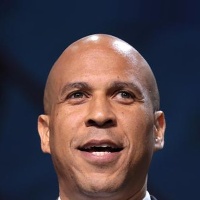
Cory Booker
Senator
NJ
Cory Booker
Senator
NJ
The Momnibus Act is a comprehensive legislative package designed to end preventable maternal mortality and close racial and ethnic disparities in maternal health outcomes. By investing in social determinants of health, expanding nutritional support, diversifying the perinatal workforce, and improving data collection, the bill seeks to provide holistic, equitable care for all pregnant and postpartum individuals. It also addresses critical gaps in maternal health for veterans, incarcerated individuals, and those impacted by climate change and public health emergencies.
The Kay Hagan Tick Reauthorization Act extends funding and updates federal initiatives for vector-borne disease research and public health support through 2030.

Susan Collins
Senator
ME
Susan Collins
Senator
ME
The Kay Hagan Tick Reauthorization Act extends critical funding and support for national vector-borne disease initiatives through 2030. This legislation updates program administration to improve efficiency and ensures the continued operation of regional centers of excellence dedicated to combating tick-borne illnesses.
The Stroke Act authorizes federal funding for research, data collection, and grant programs to improve stroke prevention, education, and the quality of emergency and rehabilitative stroke care nationwide.
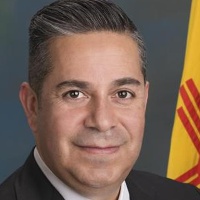
Ben Luján
Senator
NM
Ben Luján
Senator
NM
The Stroke Act aims to improve stroke outcomes by authorizing federal research, data collection, and grant programs focused on stroke care and prevention. This legislation supports the development of a national stroke registry, strengthens emergency and rehabilitation systems, and funds public education campaigns to increase awareness and timely treatment.
This bill designates the United States Postal Service facility located at 200 1st Avenue Southeast in Austin, Minnesota, as the "John Madden Memorial Post Office."

Amy Klobuchar
Senator
MN
Amy Klobuchar
Senator
MN
This bill officially designates the United States Postal Service facility located at 200 1st Avenue Southeast in Austin, Minnesota, as the "John Madden Memorial Post Office." All official federal documents and records will henceforth refer to the facility by this name.
The SMASH 2.0 Act reauthorizes and modernizes federal mosquito control programs, incentivizing innovative technology and enhancing emergency stockpiling efforts to prevent the spread of vector-borne diseases.
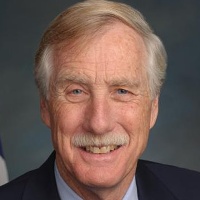
Angus King
Senator
ME
Angus King
Senator
ME
The SMASH 2.0 Act reauthorizes federal funding for state and local mosquito control programs through 2031 to better prevent the spread of vector-borne diseases. The bill promotes the use of innovative technologies, enhances training for public health personnel, and establishes a strategic national stockpile of emergency vector-control supplies.
The College Transparency Act establishes a secure, privacy-protected federal data system to provide students and families with transparent information on college costs, enrollment, and post-graduation outcomes.

Bill Cassidy
Senator
LA
Bill Cassidy
Senator
LA
The College Transparency Act establishes a secure, privacy-protected federal data system to track postsecondary student outcomes, including enrollment, completion, and post-college earnings. By repealing the existing ban on a national student-level database, the bill aims to provide students and families with transparent, customizable information to help them make informed educational decisions. The system is designed to streamline institutional reporting requirements while strictly prohibiting the use of personal data for law enforcement, immigration, or federal ranking purposes.
This resolution designates August 2–8, 2026, as "National Farmers Market Week" to celebrate the vital economic, health, and community contributions of farmers markets across the United States.

Alejandro Padilla
Senator
CA
Alejandro Padilla
Senator
CA
This resolution designates August 2 through August 8, 2026, as "National Farmers Market Week." It recognizes the vital role these markets play in supporting local economies, promoting sustainable agriculture, and improving community access to fresh, healthy food.
The Audit the Pentagon Act mandates a 2% funding reduction for any Department of Defense component that fails to achieve a clean financial audit, with withheld funds applied toward deficit reduction.

Bernard Sanders
Senator
VT
Bernard Sanders
Senator
VT
The Audit the Pentagon Act mandates financial accountability by imposing a 2 percent funding reduction on any Department of Defense component that fails to achieve a clean audit opinion. These withheld funds are then redirected to the U.S. Treasury to be used exclusively for deficit reduction.
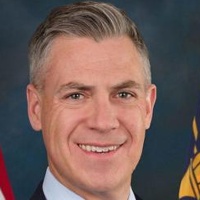
The RISE Act streamlines the disability documentation process for college students, increases transparency in accommodation policies, and mandates institutional reporting on student disability services.
Jim Banks
Senator
IN
Jim Banks
Senator
IN
The Respond, Innovate, Succeed, and Empower (RISE) Act aims to improve college accessibility for students with disabilities by streamlining the documentation process for accommodations. The bill also mandates that colleges report data on students with disabilities and authorizes $10 million in funding for a national technical support center. These measures ensure greater transparency and support for students navigating the transition to postsecondary education.
This bill expands eligibility, financial support, and service capabilities for rural emergency hospitals to ensure better healthcare access in underserved communities.

Jerry Moran
Senator
KS
Jerry Moran
Senator
KS
The Rural Emergency Hospital Designation Improvement Act aims to strengthen rural healthcare by expanding eligibility for rural emergency hospital (REH) status and enhancing financial support for these facilities. The bill introduces new payment incentives, allows for expanded service offerings like swing beds and specialized units, and ensures REHs are eligible for critical grant programs and Medicaid coverage. These measures are designed to increase the sustainability of rural hospitals and improve access to essential care in underserved communities.
The Seeds and Breeds for the Future Act directs $75 million in annual competitive grants toward the development of publicly bred plant and animal varieties while establishing federal coordination and strategic plans to enhance agricultural resilience and genetic diversity.

Tammy Baldwin
Senator
WI
Tammy Baldwin
Senator
WI
The Seeds and Breeds for the Future Act strengthens the U.S. food system by dedicating at least $75 million annually to the development of publicly bred plant varieties and animal breeds. The bill establishes a dedicated coordinator within the USDA to oversee research, prioritizes the creation of regionally adapted and climate-resilient crops and livestock, and mandates the implementation of national strategic plans for germplasm conservation. By supporting public breeding programs, this legislation aims to enhance agricultural diversity, nutritional outcomes, and long-term food security.
The Right to IVF Act of 2026 establishes a federal right to fertility treatments, mandates comprehensive insurance coverage for ART and IUI, and expands access to these services for veterans and federal employees.

Tammy Duckworth
Senator
IL
Tammy Duckworth
Senator
IL
The Right to IVF Act of 2026 establishes a federal right to access assisted reproductive technology (ART) and intrauterine insemination (IUI) by overriding restrictive state laws. The bill further expands family-building support by mandating comprehensive fertility coverage for military service members, veterans, federal employees, and those enrolled in private insurance, Medicare, or Medicaid. These measures aim to ensure equitable, affordable access to fertility treatments nationwide.
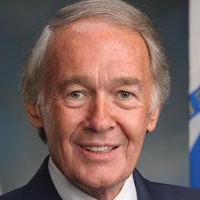
The Health Over Wealth Act establishes rigorous transparency, oversight, and accountability requirements for private equity and for-profit corporations in health care to protect patient access, quality of care, and workforce stability.
Edward Markey
Senator
MA
Edward Markey
Senator
MA
The Health Over Wealth Act establishes rigorous transparency, accountability, and oversight requirements for for-profit corporations and private equity firms that own or operate health care entities. The legislation mandates detailed financial reporting, creates a licensure system for private equity investment in health care, and imposes strict regulations on hospital closures and service reductions to protect patient access. Additionally, the bill reforms bankruptcy and tax laws to prevent asset stripping and ensure that financial interests do not compromise the quality or safety of essential health services.
The Supreme Court Ethics Act mandates the creation of a formal code of conduct for Supreme Court justices, establishes an independent Ethics Investigations Counsel to oversee compliance, and requires public disclosure of recusal decisions.

Christopher Murphy
Senator
CT
Christopher Murphy
Senator
CT
The Supreme Court Ethics Act mandates that the Supreme Court and the Judicial Conference establish formal codes of conduct for all federal judges and justices. The bill creates an independent Ethics Investigations Counsel to oversee compliance, investigate potential violations, and issue annual public reports. Additionally, it requires Supreme Court justices to publicly disclose their reasoning when recusing themselves from a case or denying a motion for recusal.
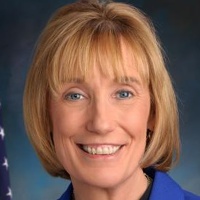
The Rural Obstetrics Readiness Act establishes grant programs and teleconsultation services to improve emergency obstetric training, equipment, and maternal care access in rural health facilities.
Margaret Hassan
Senator
NH
Margaret Hassan
Senator
NH
The Rural Obstetrics Readiness Act aims to improve maternal health outcomes in rural areas by providing grants for emergency obstetric training, essential medical equipment, and staffing at facilities without dedicated obstetric units. The legislation also establishes a telehealth pilot program to connect rural providers with maternal health specialists for urgent consultations. Additionally, it mandates a comprehensive study on rural maternity ward closures to better inform future regional care strategies.
The Children's Safe Welcome Act of 2026 establishes comprehensive standards to ensure the humane treatment, legal protection, and swift family reunification of noncitizen children in U.S. immigration custody.

Jeff Merkley
Senator
OR
Jeff Merkley
Senator
OR
The Children's Safe Welcome Act of 2026 overhauls the treatment of noncitizen children and families in federal custody by prioritizing family unity, humane living standards, and swift reunification. The legislation mandates legal representation for unaccompanied children, establishes independent oversight to ensure accountability, and strictly limits the use of detention facilities. By creating clear, enforceable protections and privacy safeguards, the bill aims to minimize trauma and ensure that the welfare of the child remains the central focus of the immigration process.
This bill expands Tribal access to CDC public health emergency preparedness funding by establishing a dedicated set-aside, providing administrative flexibility, and mandating Tribal consultation and reporting.

Elizabeth Warren
Senator
MA
Elizabeth Warren
Senator
MA
The CDC Tribal Public Health Security and Preparedness Act amends the Public Health Service Act to formally include Indian Tribes and Tribal organizations as eligible entities for federal public health emergency preparedness funding. The bill authorizes $750 million annually for this program, with a dedicated 5% set-aside for Tribal entities and exemptions from traditional matching-fund requirements. Additionally, it mandates federal consultation with Tribal leaders to ensure program flexibility and requires a comprehensive report to Congress on the effectiveness of Tribal implementation.
This resolution recognizes July 21, 2026, as Black Women’s Equal Pay Day to highlight the persistent wage gap and reaffirm a commitment to achieving pay equity.

Lisa Blunt Rochester
Senator
DE
Lisa Blunt Rochester
Senator
DE
This resolution recognizes July 21, 2026, as Black Women’s Equal Pay Day to highlight the persistent and significant wage gap between Black women and white, non-Hispanic men. It details the economic impact of this disparity and reaffirms Congress's commitment to achieving pay equity through systemic change.
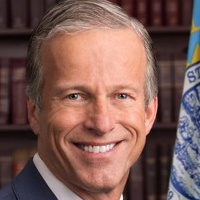
This bill mandates a feasibility study for expanding the Lewis & Clark Regional Water System across Iowa, Minnesota, and South Dakota, with a report to Congress detailing construction recommendations and cost-sharing.
John Thune
Senator
SD
John Thune
Senator
SD
This Act mandates the Secretary of the Interior to conduct a comprehensive feasibility study for expanding the Lewis Clark Regional Water System across Iowa, Minnesota, and South Dakota. The study will evaluate the project's engineering, economic, and environmental aspects, culminating in a report to Congress with a construction recommendation. The federal government will cover up to 50% of the study's cost, which is authorized up to $10 million.