This bill mandates new outreach and education efforts to help Medicare beneficiaries authorize family caregivers to access their health information via the 1-800-MEDICARE line.
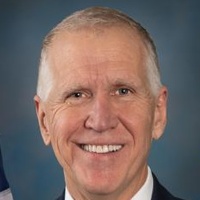
Thom Tillis
Senator
NC
The Connecting Caregivers to Medicare Act of 2025 aims to simplify how Medicare beneficiaries authorize family caregivers to access their health information via the 1-800-MEDICARE line. This bill mandates comprehensive outreach and education to inform beneficiaries, caregivers, and providers about this authorization option. It also requires the development of best practices to protect beneficiaries from fraud related to accessing personal health information.
New Bill Forces Medicare to Simplify Caregiver Access to Health Info via 1-800 Number
If you’ve ever tried to help a parent or relative navigate their Medicare benefits, you know the drill: endless hold music, confusing forms, and the ever-present requirement that the beneficiary must be the one talking. It’s a huge headache for the family caregivers who are doing the heavy lifting.
The Connecting Caregivers to Medicare Act of 2025 is designed to cut through some of that red tape. Essentially, this bill mandates that the Department of Health and Human Services (HHS) must actively inform Medicare beneficiaries that they can authorize a family caregiver to access their personal health information simply by calling the 1-800-MEDICARE line. This isn't a new option, but the bill makes sure Medicare actually tells people it exists and how to use it.
The Paperwork Lifeline: How Authorization Works
The core of the change is better communication. Right now, access requires the beneficiary to complete and submit the specified authorization form (currently CMS Form 10106). The bill doesn't eliminate the form, but it requires Medicare to make sure everyone knows about it. Think of it like this: the form is the key, and this bill makes sure the key is easy to find and the lock is well-oiled.
Medicare must now prominently display the authorization form and related instructions in the Medicare & You handbook, on the Medicare.gov website, and even through social media. For the family caregiver trying to coordinate appointments or check on coverage details while balancing a job and their own family, this means less time waiting for their loved one to be available to get simple answers.
Training the Front Line and Fighting Fraud
It’s not enough just to push out forms; the people answering the phones need to be ready. The bill specifically requires that 1-800-MEDICARE operators be trained to provide the right resources and information to family caregivers. This should reduce the frustrating situation where a caregiver calls in, only to be told the operator has no idea how to help them.
Crucially, the bill also tackles the flip side of information access: fraud. Within one year of enactment, the Office of the Inspector General (OIG) must develop and publicly release best practices to protect beneficiaries from fraud related to this increased information access. This report will include recommendations for educating beneficiaries on reporting fraud and improving investigations. For beneficiaries, this means that while access is being streamlined for their helpers, the safeguards are also being updated and reinforced.
Real-World Impact and Implementation Hurdles
For a working professional whose mom lives two states away, this bill is a huge win. Instead of relying solely on Mom to relay complex insurance information, the authorized caregiver can now call Medicare directly to sort out a claim or check on a coverage issue—a massive time saver. The bill also requires that all this outreach information and the authorization form be made available in non-English languages, which is a critical step for serving diverse communities.
However, the success of this bill relies heavily on the administrative lift. HHS/CMS now has the burden of widespread, sustained outreach, which includes coordinating with Medicare Advantage plans and local State Health Insurance Assistance Programs (SHIPs). If the outreach is lackluster, or if the authorization form remains overly complex or difficult to submit, the intended benefits—easy access for caregivers—will be limited. The bill provides the framework, but the execution is what will truly matter for the millions of people balancing caregiving with their daily lives.